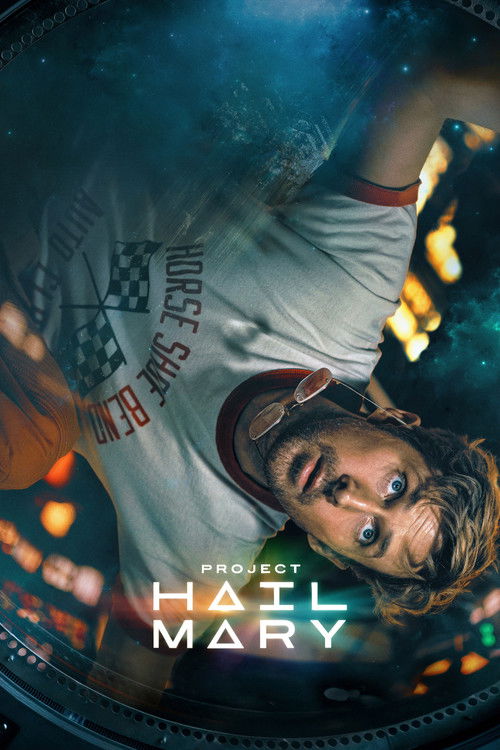








In 'Project Hail Mary,' Ryan Gosling delivers a standout performance as Ryland Grace, a science teacher trapped aboard a spaceship light years from Earth. The film opens with Grace in a disoriented state, gradually unveiling his critical mission to save humanity from a failing sun. This dislocation serves as both a narrative device and a metaphor for alienation in the face of overwhelming odds. Gosling’s ability to oscillate between humor and gravity is compelling, grounding the film’s high-concept premise in relatable human emotion.
Director's vision brings Andy Weir's celebrated novel to life with a visual flourish that rarely diminishes. The spacecraft itself feels both claustrophobic and expansive, and the special effects used to depict the alien environments are nothing short of extraordinary. Each frame is meticulously crafted, showcasing a stunning contrast between the bleakness of space and the vibrant alien landscapes Grace encounters. The cinematography vividly illustrates the isolation and vastness of the universe, evoking a sense of wonder and dread simultaneously.
The screenplay effectively captures the spirit of scientific inquiry, portraying Grace's struggle with both the physical trials of space travel and the mental gymnastics of problem-solving under pressure. The interactions between Grace and the alien creature he befriends introduce an unexpected layer of depth, merging friendship with scientific collaboration. However, while the film excels in presenting complex ideas with clarity, it occasionally succumbs to tonal inconsistencies. Certain moments that are intended to be humorous can feel jarring against the film's more serious thematic undercurrents.
Gosling’s rapport with his alien counterpart offers some of the film's most touching moments, yet at times, these exchanges tread dangerously close to the edge of playful banter, risking the gravitas established by the dire stakes involved. It feels like a missed opportunity for deeper emotional resonance. Nonetheless, the film makes a heartening effort to balance science and humanity, exploring how logic and emotion can coexist, not as rivals, but as partners in survival.
While 'Project Hail Mary' successfully captivates through its engaging storytelling and emotional depth, it's evident that not every plot thread lands seamlessly. Certain pacing issues arise in the middle act, leading to moments of tedium that could have been trimmed for a more vibrant narrative. The stakes could have been amplified further, as some sequences lack the necessary tension to underscore the dire circumstances faced by Earth based on Ryland Grace's findings.
As the film approaches its conclusion, even as the stakes rise and the clock ticks down, it finds surprising emotional weight. The resolution manages to feel not only satisfying but also resonant, providing a fundamental commentary on sacrifice, the importance of our connections, and the lengths one will go to save those they love. While some viewers may find themselves longing for heightened suspense, others will appreciate the emphasis on emotional storytelling over action-driven sequences.
In the grand scheme, 'Project Hail Mary' emerges as a thoughtful sci-fi adventure that invites audiences to reflect on human resilience and ingenuity. While it stumbles occasionally in its tonal balance, the film is buoyed by a charismatic lead performance and stunning visual achievements. It proves that the journey through the cosmos can be as much about self-discovery as it is about saving the planet. The film's appeal will likely reach broad audiences, catering to both science-fiction aficionados and casual viewers alike, thanks to its accessible themes and relatable characters.
Overall, 'Project Hail Mary' is a film that encourages introspection, leaving viewers pondering not just the what-ifs of space exploration but also the connections that anchor us to our world.