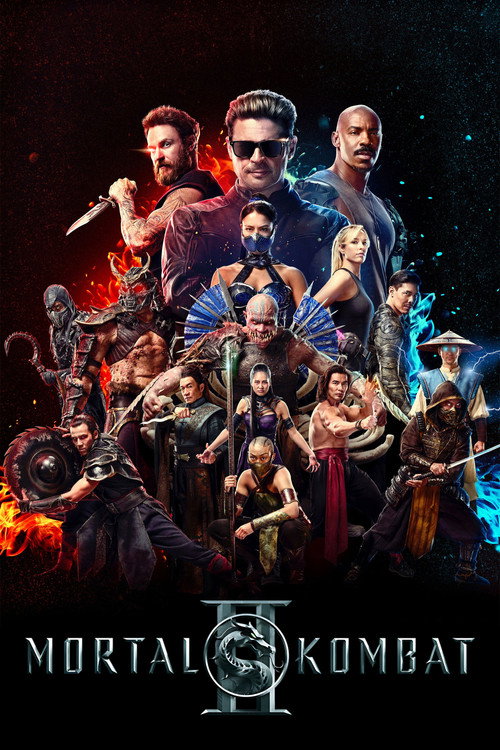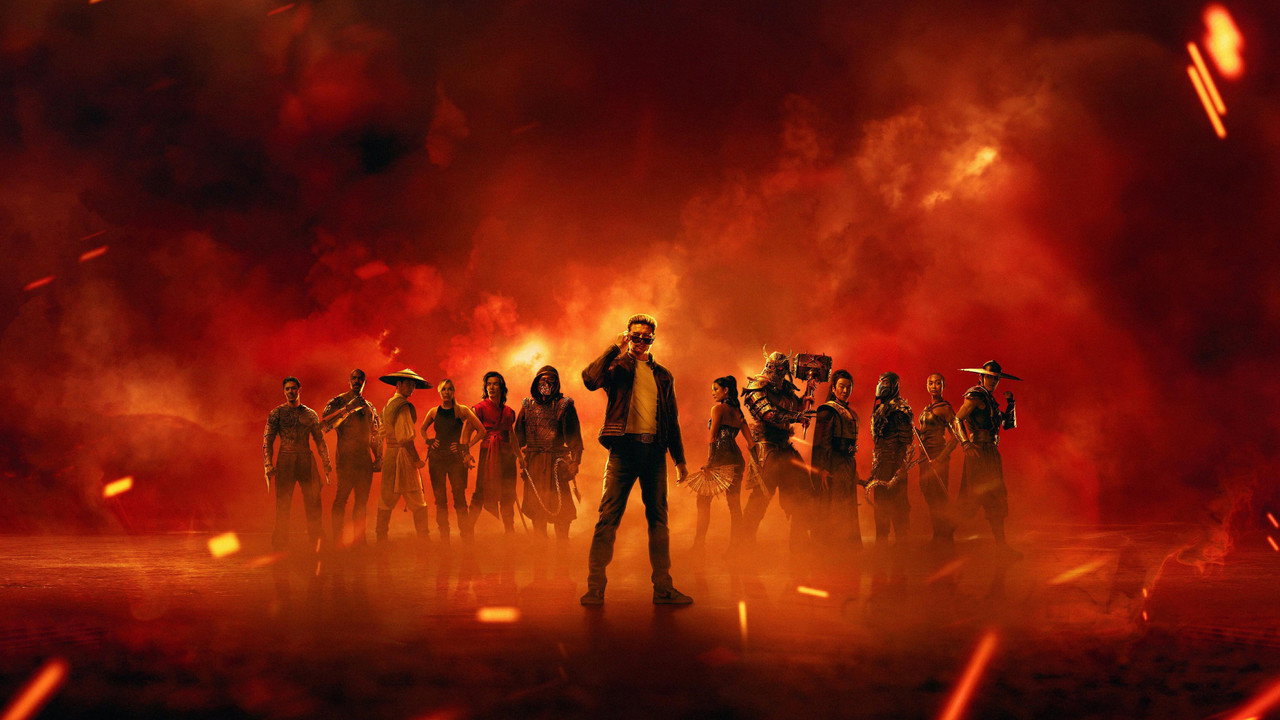







In 'Mortal Kombat II,' the beloved champions from the franchise come together once more, joined by the fan-favorite Johnny Cage, to take on the menacing Shao Kahn. The film boasts an impressive array of fight choreography that feels both inspired and visceral, capturing the brutal essence of the video game series. However, while it excels in the visceral thrills of combat, it suffers from a story that remains frustratingly shallow, leaving audiences eager for more depth than the film provides.
The fight scenes cleverly integrate diverse martial arts styles, and each battle is elevated by the dynamic camera work that immerses viewers in the heat of battle. There’s an electrifying moment when Johnny Cage takes on multiple foes with a blend of comedy and audacity, his character encapsulating the essence of the series while still bringing fresh humor to the mix. Karl Urban's portrayal of Cage stands out; his charisma and timing make each line resonate, drawing in those who may have only known him from the game's dialogue.
Josh Lawson as Kano is another highlight, delivering a performance that's both menacing and darkly comedic. His character injects much-needed energy into scenes where the plot seems stagnant. The film is undoubtedly peppered with Easter eggs that will thrill long-time fans, establishing it as a labor of love for lovers of the franchise. It’s moments like these that showcase the dedication the filmmakers had to remain true to the source material, and they succeed brilliantly here.
Despite these strengths, the film's narrative is uneven at best. With a storyline primarily focused on action, the emotional stakes feel jarringly underdeveloped. Moments meant to evoke tension or drama fizzle out, as the film frequently resorts to executing fight after fight rather than pacing them with substantial story development. When it does attempt to establish deeper connections between characters, these scenes fall flat and are more expository than meaningful. This makes it hard for viewers to feel invested in their journeys, leaving the audience hungry for a deeper exploration of the characters’ motivations.
Furthermore, the pacing of the film tends to be erratic. At times, it shifts abruptly between high-octane action and moments of exposition that don’t quite mesh. This inconsistency detracts from the overall flow, making certain sections drag on, which briefly disrupts the adrenaline rush that the viewers expect from a film like this. It’s a shame, considering that the cast is capable of delivering more, as highlighted in certain intense moments when they actually do get to explore their characters in compelling ways.
Visually, the film captivates with its stylish presentation, and the special effects work enhances the action sequences significantly. The gore is plentiful and creative, honoring the franchise's legacy while pushing boundaries in a way that feels satisfying. The design of the film is a blend of traditional martial arts aesthetics with a modern flair, making it visually arresting even during less gripping plot moments.
However, if 'Mortal Kombat II' aims to cement itself as a staple in the genre, it surely needs a stronger narrative backbone. Audiences are likely to enjoy the film for its action and nostalgic references, yet they shouldn’t go in expecting a fully realized emotional journey. For a dedicated fan of the franchise, it's an exhilarating experience that serves well for a light-hearted diversion. But those looking for a nuanced story may find themselves disappointed.
In its essence, 'Mortal Kombat II' walks a fine line between homage and progression. It successfully taps into the exhilarating spirit of its source, delivering a visually stunning spectacle and several standout performances. However, it ultimately leaves a bit to be desired in the storytelling department—a small but notable miss in an otherwise entertaining film.