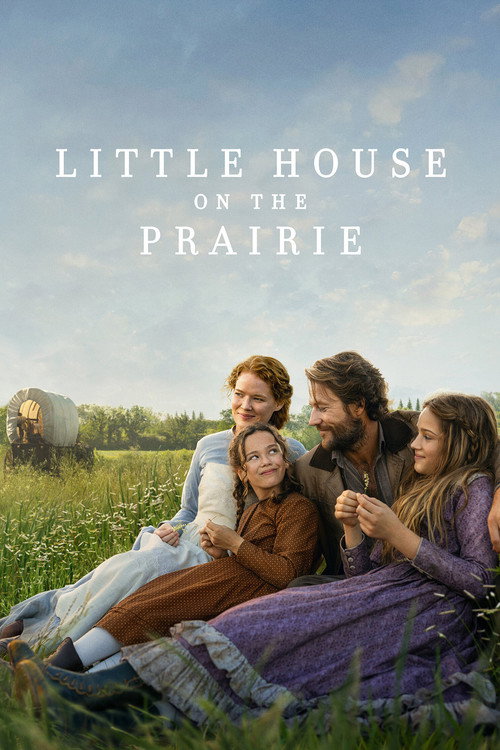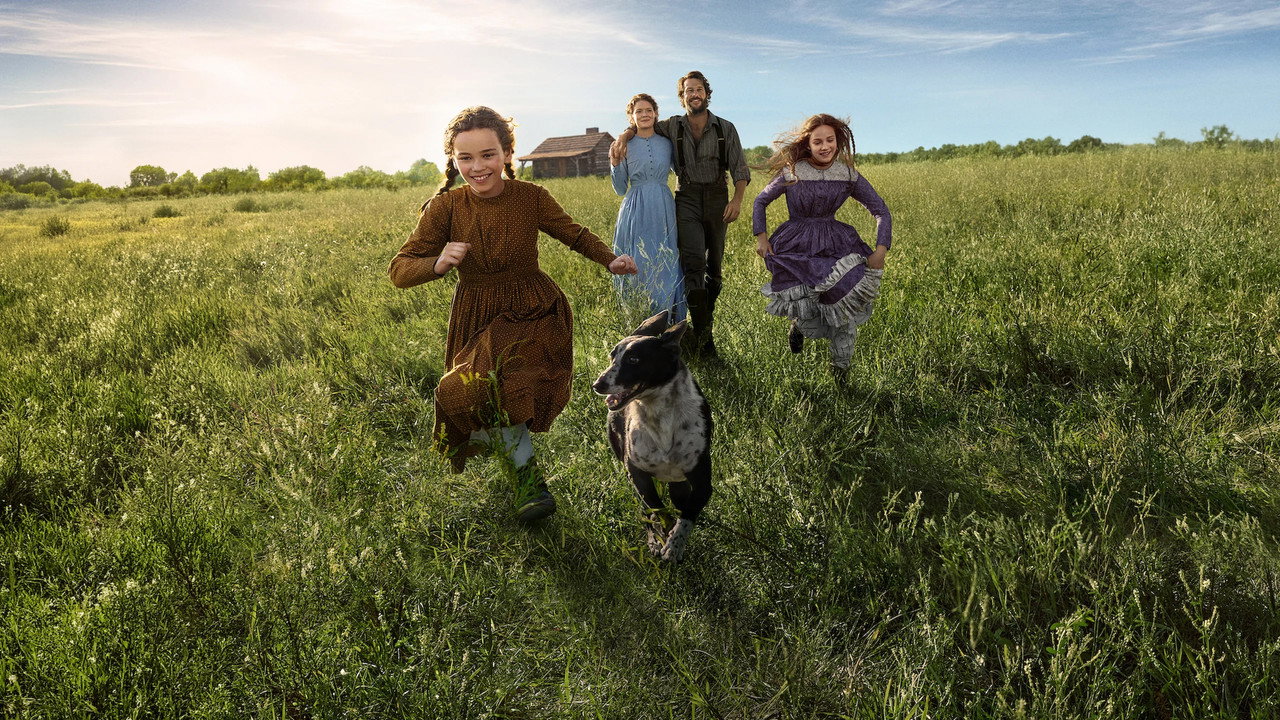








The 2026 reboot of 'Little House on the Prairie' successfully captures the essence of the beloved Ingalls family while ambitiously addressing modern themes and historical nuances. The series, which comprises eight episodes each running about 51 minutes, sees the close-knit family forging a new life on the Western frontier—highlighting both the sheer joy of nature and the constant struggle for survival that defines their existence. Alice Halsey steps into the shoes of Laura Ingalls, delivering a performance that effortlessly conveys the spirited resilience of her character. Halsey captures the naïveté and determination of Laura as she navigates the complexities of frontier life, grounding the series with a performance that both shines and invites the audience to reflect on the challenges of the time.
Visually, the show is a treat. The cinematography paints breathtaking landscapes, immersing viewers in the rugged beauty of the frontier. The blend of natural soundscapes with carefully chosen music creates an atmosphere that is both nostalgic and fresh. However, while the aesthetic choices are commendable, they occasionally lack the visual distinction found in contemporary series, which can leave certain moments feeling somewhat flat in comparison to other Netflix offerings. There is a surface-level beauty that doesn't always translate into an emotionally resonant experience, making it seem as though the series plays it safe rather than daring to dive deeper into its narrative potential.
One of the standout aspects of this reboot is its portrayal of Native American characters, which has garnered praise for being respectful and thought-provoking. By weaving in these perspectives, the series attempts to provide a more balanced view of the historical context, showcasing the complexities of relationships between settlers and Indigenous peoples. However, even with this progress, the show sometimes skirts around larger issues, opting for a gentle touch over a more confrontational approach. It’s as if the creators are hesitant to fully confront the uncomfortable truths of the past, sticking instead to a more family-friendly narrative. This tactful handling can feel disingenuous in moments, as it flirts with depth but seldom commits to it in a way that could truly engage a modern audience.
The familial theme, while heartwarming, occasionally drifts into territory that feels repetitive, undermining the show’s ability to captivate beyond its surface charm. The dialogues, while authentic, also succumb to predictable patterns, causing some narrative arcs to feel drawn out and lacking tension. When shows like 'Little House on the Prairie' lean on dramatic tension born out of interpersonal conflict or historical dilemmas, it can lead to a more rewarding viewing experience. Unfortunately, this series, at times, holds back from pushing its characters to their limits, resulting in a dilution of excitement and emotional stakes.
Audience reactions have reflected these divided sentiments. Many embrace the series’ family-friendly nature, appreciating the intention behind its modernized elements. However, there’s also criticism that the treatment feels too sanitized compared to its source material, prompting a reevaluation of what nostalgia should entail. For families seeking wholesome content, 'Little House on the Prairie' remains a safe bet. Nevertheless, for those seeking a profound exploration of historical struggles and character complexities, you may find yourself yearning for greater depth.
Ultimately, the series achieves its goals in terms of visual storytelling and performance, yet it does so at the expense of bold narrative choices. While fans of the original may find comfort in its earnest familiarity, the series could have gone further in challenging its characters—and thus its audience—by grappling with the more profound issues inherent to its setting. In this reimagining, the Ingalls family’s journey is both a warm reminder of resilience and a subtle nudge that sometimes, history is messy and worth confronting, if only the creators had the courage to do so more directly. As it stands, the reboot feels like a respectful nod to its roots rather than a fresh, daring leap forward.