

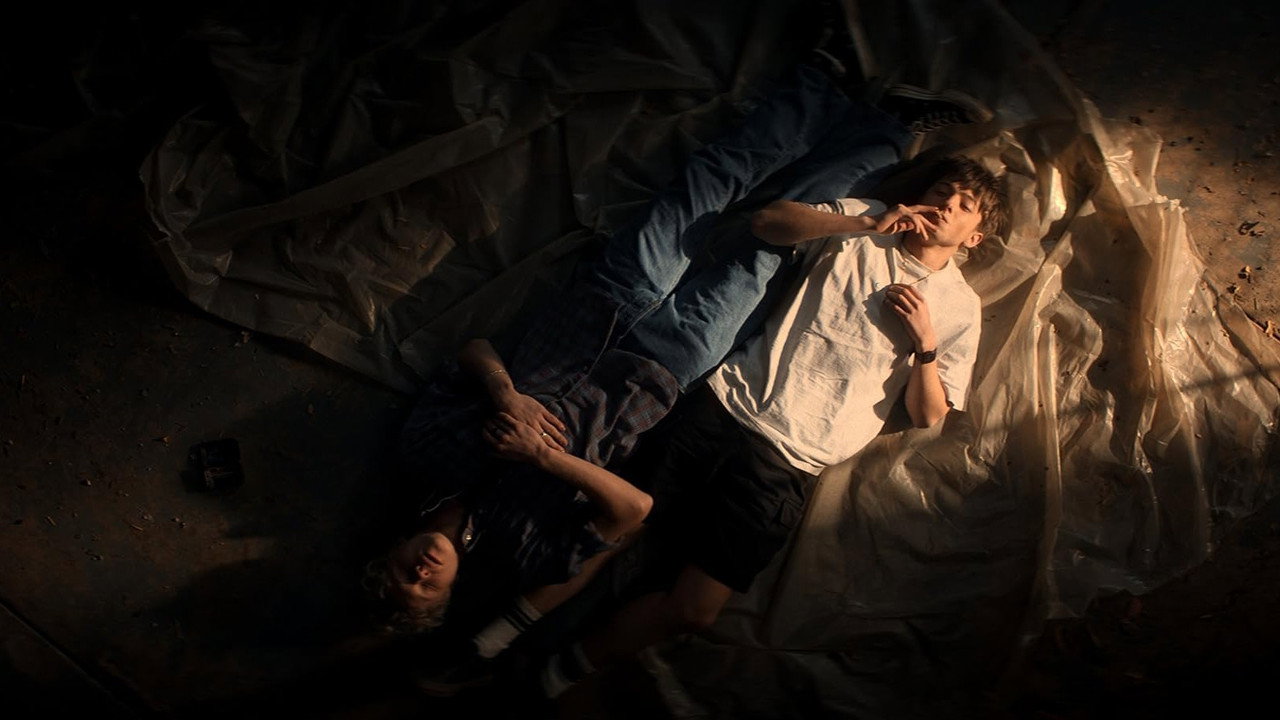









'Leviticus,' directed by Adrian Chiarella, stands as a notable entry in the horror genre, deftly intertwining the nuances of queer relationships with a gripping supernatural premise. The film revolves around two teenage boys, navigating their intense feelings for each other while being hunted by a violent entity that manifests as the very object of their desire—each other. This clever monster concept serves as both a vehicle for raw emotional exploration and a commentary on desire and fear, making for a captivating premise right from the outset.
Joe Bird and Stacy Clausen deliver standout performances, bringing life to their characters with palpable chemistry. Their portrayals allow the audience to feel the weight of their desire and the terror of their situation, drawing viewers into the emotional core of the film. The interplay between their burgeoning romance and the lurking threat creates a tension that is not only suspenseful but also deeply resonant, unlike many traditional horror offerings.
Chiarella’s direction makes skilled use of atmosphere; shadowy imagery and haunting sound design amplify the film's suspense and emotional undercurrents. The aesthetic choices lend a unique sensibility to the storytelling, where even mundane moments are infused with dread. Chiarella embraces a storytelling style that prioritizes atmosphere over jump scares, which is refreshing for audiences weary of formulaic horror tropes.
However, 'Leviticus' is not without its flaws. While the emotional depth is commendable, there are moments where the pacing drags. Certain sequences appear to stretch, causing the momentum built earlier to wane. For instance, there are scenes that linger a beat too long, leading to an uneven narrative flow that occasionally detracts from the film's intensity. Additionally, some viewers may find themselves wishing for more substance in exploring the characters’ backgrounds and motivations, as the supernatural elements sometimes overshadow their personal arcs.
Yet, these pacing issues do little to undermine the film's impact. The underlying themes of fear, desire, and identity come through vividly, resonating with audiences who appreciate narratives that transcend mere horror. The monster serves not only as a literal threat but also symbolizes the internal struggles that many face, particularly in the context of self-acceptance and love.
The cinematic craft exhibited in 'Leviticus' is solid overall, though not without its moments of mediocrity. Some visual choices might feel cliché, and while the sound design contributes significantly to the horror atmosphere, the score occasionally flirts with being overly sentimental rather than nuanced. Still, these shortcomings do not overshadow the film's ambition and emotional weight.
In an era where LGBTQ+ representation in horror is gradually expanding, 'Leviticus' paves the way for more complex narratives that address the intricacies of desire intermixed with fear. Despite its uneven pacing, the film accomplishes the rare feat of being both terrifying and poignant, establishing a framework for future stories that explore similar themes. It’s a commendable effort that illustrates the power of love intertwined with horror, leaving viewers with plenty to ponder long after the credits roll. All in all, 'Leviticus' might not achieve perfection, but it certainly reaches for something meaningful, marking itself as a unique contribution to the genre and a compelling watch for those who are open to its themes.