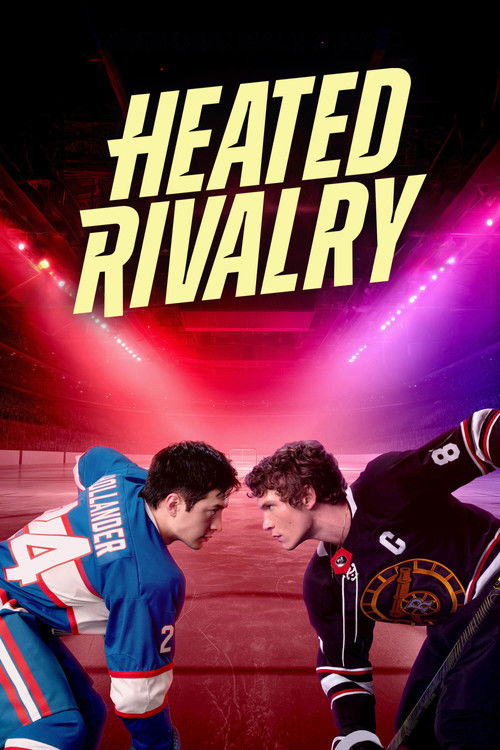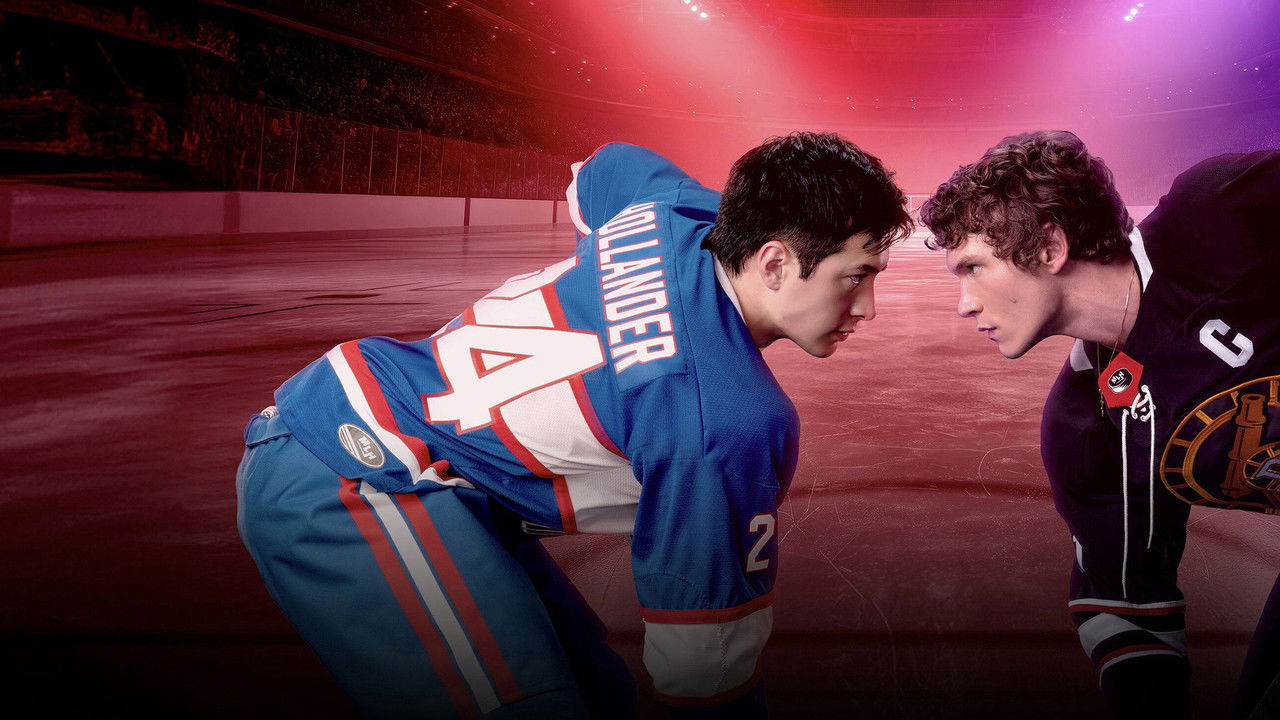








Heated Rivalry manages to straddle the line between a gripping sports drama and an intimate exploration of love, making it a surprisingly profound viewing experience in a genre often limited by stereotypes. The series, based on Rachel Reid's novels, presents the budding relationship between two rookie hockey stars, each driven by ambition and a fierce competitive spirit. However, it's the emotional complexity layered within their rivalry that truly hooks the audience.
At the heart of the series are Hudson Williams and Connor Storrie, whose performances breathe life into their characters. Williams plays the more reserved figure, while Storrie's portrayal of his vibrant counterpart is nothing short of magnetic. Their chemistry is palpable, punctuated by moments that resonate with the sweetness and turmoil of young love. From steamy encounters to tense locker room confrontations, the two actors navigate their characters’ conflicting desires with remarkable authenticity. This is particularly evident in a standout sequence where their relationship's tension spills over during a critical game, blending the rush of competition with the urgency of personal stakes.
The show is not just a romance wrapped in sports; it delves into themes of identity, particularly within the LGBTQ+ framework set against a traditionally machismo backdrop. The writing does a commendable job of illustrating how societal expectations and personal feelings intertwine. For instance, scenes that depict the characters' struggles to maintain their public personas while navigating their private lives are skillfully crafted, showcasing the fragility of love in a competitive environment. The narrative rhythm also balances the excitement of the hockey season with the more subdued, introspective moments, which speak to how love can both empower and complicate one's path to success.
However, while the series succeeds in many areas, its commitment to exploring these nuanced themes occasionally leads to pacing issues. Some episodes feel rushed, particularly towards the finale, where key developments seem to arrive abruptly, causing certain emotional beats to land flat. This uneven pacing slightly detracts from what could have been a more fully realized arc. Still, the emotional highs outweigh these missteps, ensuring that viewers remain invested in the characters' journeys.
Visually, the series excels with its slick cinematography that captures the exhilaration of hockey games and the intimate moments between the leads. The ice rink, often lit like a stage, serves not only as a battleground for competition but also as a reflective space for the characters’ internal struggles. The production design cleverly contrasts the harshness of the sport with the warmth of their relationship, signaling the duality of their worlds.
Musically, the score complements the narrative well, featuring a mix of pulse-pounding tracks during on-ice sequences and softer melodies that underscore the romance. It enhances rather than overshadows the storytelling, maintaining a delicate balance that respects the series' tone.
In conclusion, Heated Rivalry is a significant addition to the landscape of LGBTQ+ narratives in sports dramas. Its exploration of love and rivalry, anchored by compelling performances, makes for a binge-worthy experience. Although it stumbles slightly in pacing, the heart of the story shines through, inviting audiences to invest emotionally in its protagonists' journey. With its broad appeal extending beyond just sports fans, this series deserves its acclaim as both a romantic tale and a comment on the complexities of personal identity within competitive spheres.