

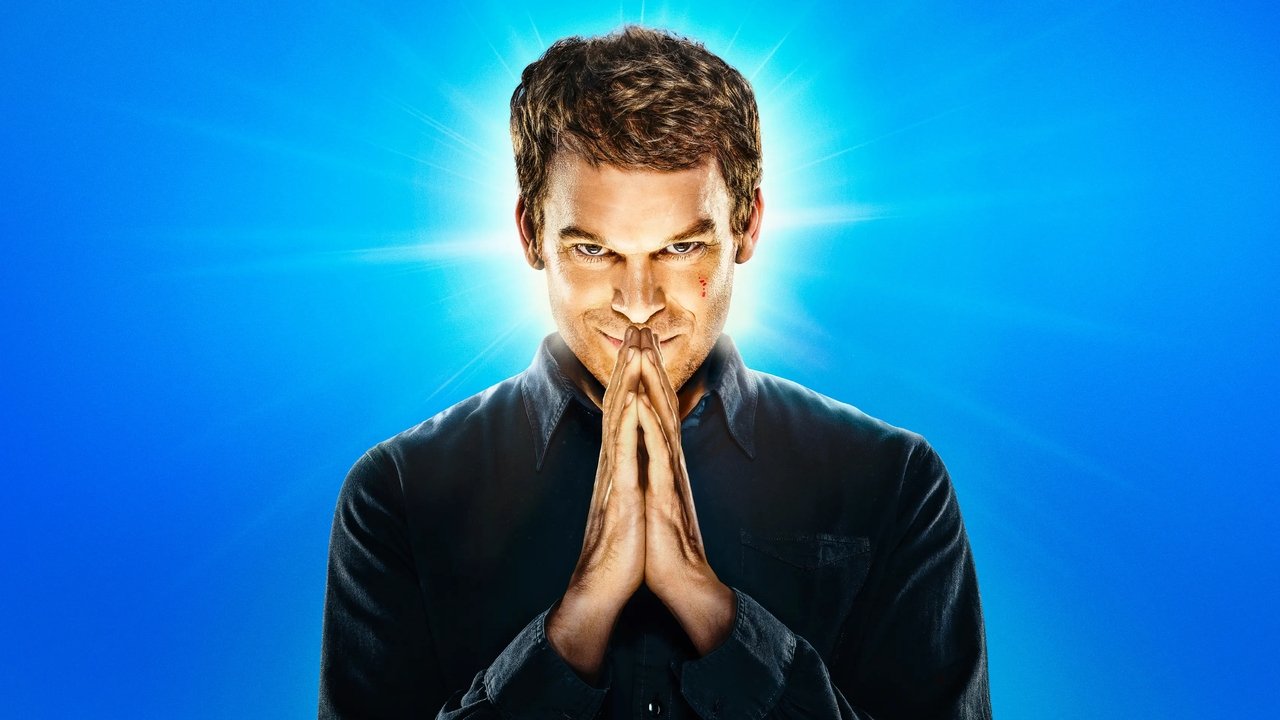









Returning to the universe of Dexter Morgan is like revisiting an old friend whose life has taken unexpected turns. In "Dexter: Resurrection," Dexter emerges from a coma only to find that his past is not just haunting him; it's actively pursuing him. This series reinvigorates the complexities of its anti-hero while exploring profound themes of fatherhood and redemption. Michael C. Hall's portrayal remains hauntingly effective, tapping into the character's relentless drive to connect with his son Harrison while simultaneously confronting the consequences of his own darkness.
The narrative deftly navigates the emotional undercurrents between Dexter and Harrison, often balancing the tension that arises from their fractured relationship. This iteration successfully shifts the focus to Dexter's internal turmoil and sense of responsibility, weaving a gripping tale that pits him against not just his past crimes, but the moral weight of his choices as a father. The stakes feel heightened as Miami Metro's Angel Batista, portrayed with vigor, reenters Dexter's life with skepticism and lingering questions. The dynamic between Batista and Dexter generates a palpable tension, reintroducing the investigative aspect that defined the earlier seasons.
However, amid the show's compelling storytelling, there's an unavoidable shadow of nostalgia that occasionally feels overemphasized. While it’s exciting to see familiar faces and locations, some scenes seem to hinge too heavily on references to the previous series, eliciting a sense that the plot is more reliant on fan service than character-driven progression. This reliance could leave newer viewers feeling a bit out of the loop, as the emotional stakes often draw on a shared history that may not resonate without context.
The pacing of the series is commendable, seamlessly transitioning between Dexter's desperate pursuit of Harrison and the creeping inevitability of his past catching up with him. The rich cinematography and atmospheric score further enhance this experience, drawing audiences back into the shadowy world that once captivated millions. Every frame seems intentional; shots of New York City brilliantly juxtapose its vibrancy with Dexter's internal struggles, eliciting a duality that resonates on multiple levels. That said, some plot developments feel rushed, leaving certain character arcs underexplored despite their potential depth, particularly relating to Harrison's own narrative.
Ultimately, "Dexter: Resurrection" skillfully captures the essence of what made Dexter Morgan intriguing but is not without its flaws. The emotional nudges occasionally feel uneven, and while Hall's masterful performance anchors the story, other characters sometimes lose their narrative heft. New viewers may find themselves at odds with plot elements that seem aimed more at long-time fans, which can detract from the overall impact.
Despite these reservations, the series pulls at the emotional strings and keeps the viewer engaged through its tension and moral exploration, particularly in the relationship between Dexter and Harrison. As they traverse their dark paths together, the series offers a masterclass in the complexity of familial love against a backdrop of moral ambiguity. While it may evoke mixed feelings about the creative necessity of rekindling this narrative, one cannot deny its capacity to entertain and provoke thought. Dexter, both the character and the series, remains a character study wrapped in suspense, and this return, while imperfect, invites us back into a world full of moral quandaries and spectral reflections on the nature of good and evil.