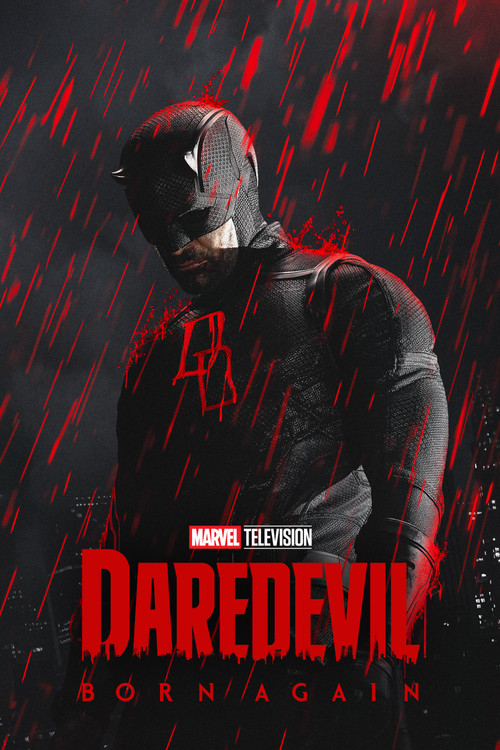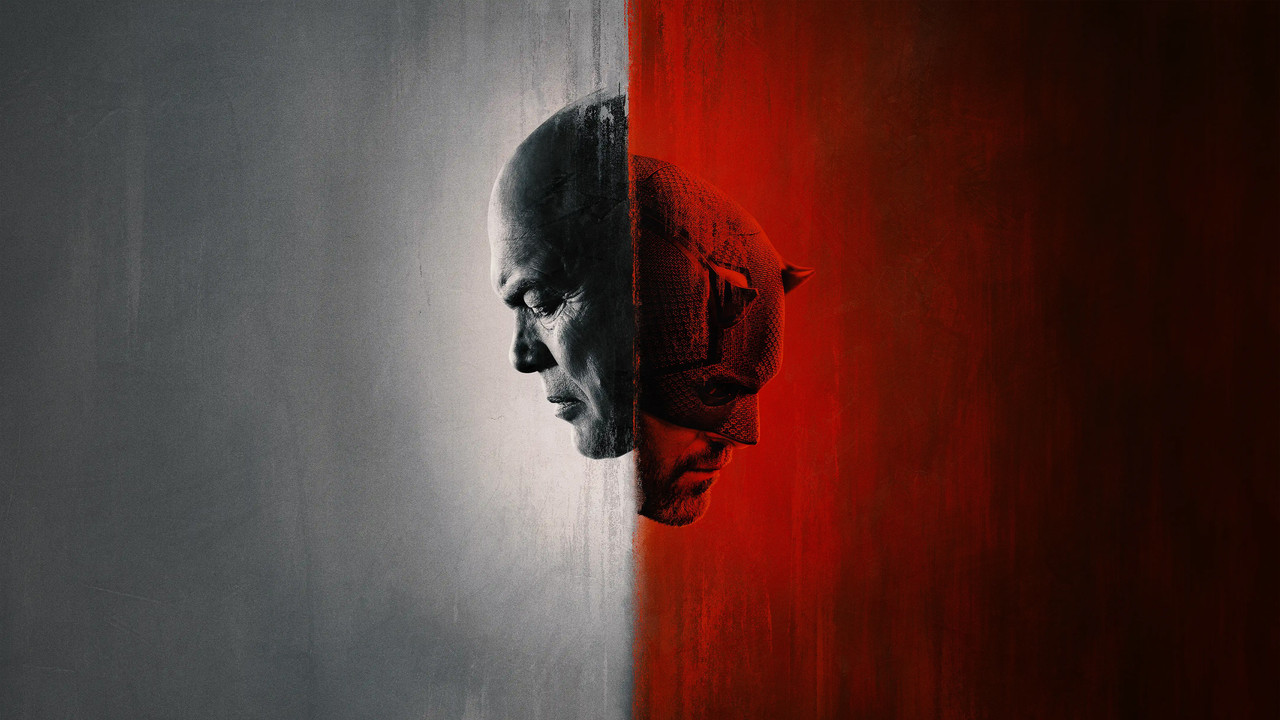







In 'Daredevil: Born Again,' the creators have managed to reignite the gritty heart of Marvel’s beloved superhero saga, all the while threading the line between nostalgia and fresh narrative arcs. Charlie Cox returns as Matt Murdock, the blind lawyer whose sense of justice knows no bounds. Coupled with Vincent D'Onofrio's Wilson Fisk, the two characters embody a classic conflict—justice versus power—as their tangled pasts resurrect in a contemporary New York backdrop. The series does an impressive job of establishing a palpable atmosphere filled with tension and moral ambiguity, eschewing the all-too-common trap of glorifying its heroes at the expense of complexity.
From the outset, the pacing is deliberate. As Matt juggles his legal career alongside his clandestine activities as Daredevil, the series devotes ample screen time to character development, allowing viewers to witness the psychological toll of his double life. This character-driven approach reinvigorates the series while providing a rich, layered narrative. While we expect action in a superhero series, 'Daredevil: Born Again' reminds us that true engagement often stems from the characters’ internal struggles. Cox's portrayal provides a remarkable balance of vulnerability and strength; during moments where he grapples with his limitations, we feel his conflict viscerally.
Vincent D'Onofrio, on the other hand, brings a menacing vigor to Wilson Fisk, layering his performance with hints of vulnerability that humanize the oft-demonized villain. The nuanced interactions between Matt and Wilson are a highlight, showcasing their profound ideological divide and personal histories. The dialogue drips with subtext—the stakes hinge not just on physical confrontations but also on ideological clashes. The series cleverly juxtaposes their journeys, examining how ambition and morality can lead to a clash that feels both inevitable and tragic, reminiscent of the best character studies.
However, it's impossible to ignore that 'Daredevil: Born Again' occasionally meanders, straying into narrative territory that feels more formulaic than innovative. While the characters shine in isolation, certain plot threads lack the cohesion seen in its predecessor. The pacing, which begins strong, stutters in certain segments, raising the question of whether the series is taking its time to develop characters or simply dragging its feet. Some episodes are crafted with such care that they pull us deep into the plot, while others feel like filler, struggling to justify their runtime.
A substantial strength of the series lies in its visual storytelling; the cinematography and choreography of fight sequences are expertly intertwined, generating a visceral thrill that transports viewers into each conflict. The decision to utilize urban landscapes as a character in itself grounds the story in reality. Yet, while recent superhero narratives often over-rely on CGI spectacle, 'Born Again' captures the raw intensity of Daredevil’s fights with a more practical lens. Each punch and kick feels weighty, reflecting the stakes of the story unfolding. Unfortunately, as heralded as the cinematography is, some viewers may find the tonal shifts jarring. The series oscillates between stark realism and moments of high melodrama that can feel a bit disjointed.
In conclusion, while 'Daredevil: Born Again' welcomes us back to its intriguing world with the charm and complexity we loved in the first iteration, it grapples with pacing hiccups and occasional narrative inconsistencies. It successfully captivates viewers with dialogues rife in moral dilemmas and rich performances, ensuring that the stakes are high and the consequences severe. While it doesn't quite reach the soaring heights of its predecessor, it’s a compelling entry that keeps you invested in the journeys of these antiheroes. Here’s to hoping the subsequent episodes refine the pacing and amplify what makes this series not just another superhero tale, but a gritty exploration of humanity's darker impulses.