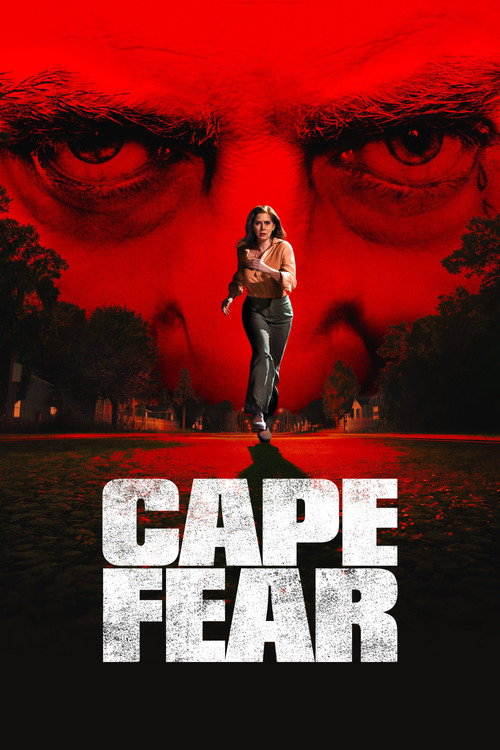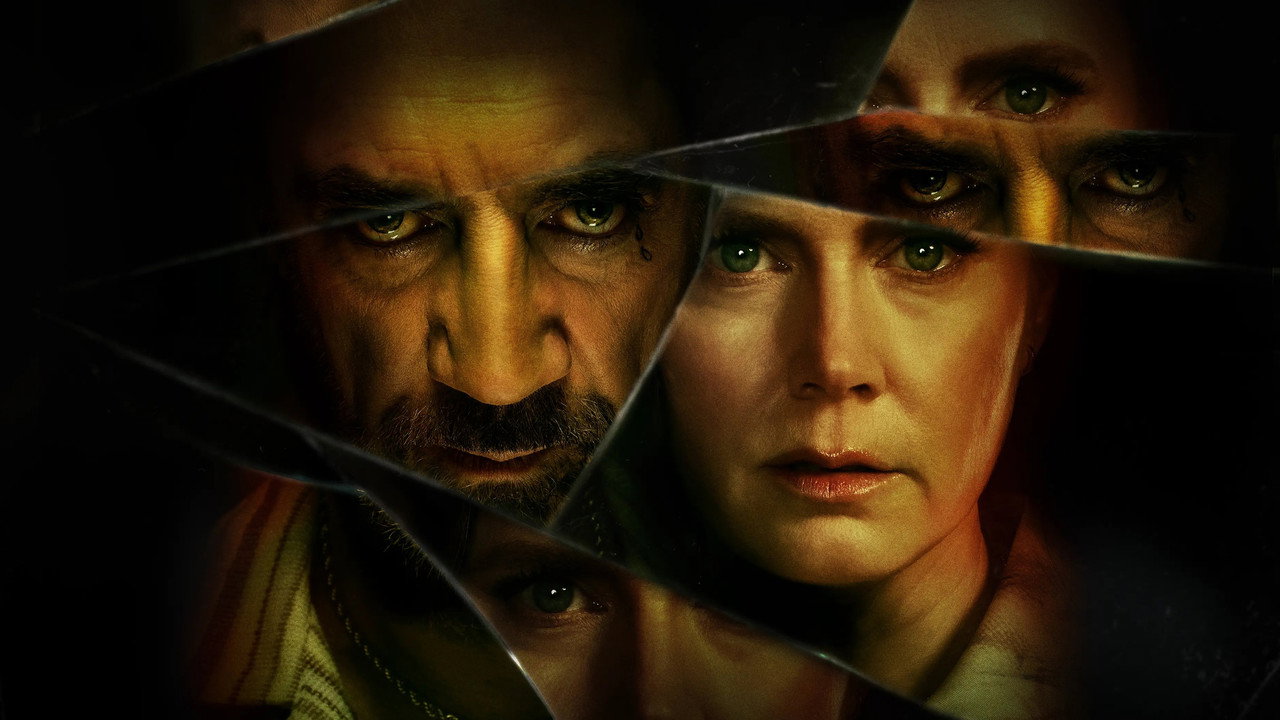









In the 2026 series 'Cape Fear,' the chilling narrative of revenge and moral corruption is reimagined, with Javier Bardem taking center stage as Max Cady, the convicted murderer intent on tormenting the family of the lawyers who imprisoned him. The series immerses audiences in a pulse-pounding storyline that feels both modern and rooted in the fears intrinsic to the original tale. Bardem delivers an extraordinary performance that oscillates between terrifying and charismatic, evoking a masterclass in tension that truly embodies the character's complex nature. His Cady is not just a villain but a distorted mirror to the vulnerabilities of those around him, and it’s this depth that drives many of the series’ more gripping moments.
The visual style of 'Cape Fear' complements the narrative's dark themes. The cinematography offers a vividly atmospheric backdrop that heightens the sense of dread, expertly interplaying shadows and light to manifest the psychological torment faced by the attorneys. The pulpy intricacies of the script, buoyed by rich dialogue, suggest a deliberate intent to revitalize the revenge thriller genre, bringing a fresh flair to the tropes that have been explored numerous times before. Director’s choices in pacing keep the tension taut, making every confrontation feel loaded with stakes.
Throughout the 10-episode arc, however, the series sometimes flirts with excess. Certain plot developments can appear preposterous, steering the narrative into almost lurid territories that detract from the emotional weight and thematic exploration. While it's clear that the intent is to emphasize the unpredictable nature of Cady’s character, some sequences linger in a realm of implausibility that may jar viewers out of the well-crafted suspense. The series’ explicit violence, while creating a visceral experience, might be off-putting for those seeking a subtler engagement with the story’s themes.
The supporting cast, including the attorneys whose lives spiral into chaos, contribute to the overall tension, though their character arcs occasionally lack the robustness needed to fully engage with the unfolding drama. They serve as foils to Cady, but some may find their development insufficient against such a compelling antagonist. For instance, Amy Adams, while well-cast, occasionally seems overshadowed by Bardem's powerhouse performance, casting a shadow over their conflict despite its narrative centrality.
In terms of its thematic resonance, 'Cape Fear' ventures deep into the psychological landscape of revenge and justice. It raises pertinent questions about culpability and the moral dilemmas faced by those who practice law. This exploration of fear—particularly the fear of losing control or being victimized—resonates even more strongly in today’s climate, where justice and retribution are often debated topics. However, the series does not shy away from showing the darker edges of human nature, which might alienate some viewers drawn to a more black-and-white interpretation of morality.
Ultimately, while 'Cape Fear' aims for a blend of artistry and horror, its unevenness in plot execution might render it a one-time experience for some rather than a go-to thriller. The gripping performances, especially Bardem’s, warrant the attention of thriller enthusiasts, yet the series will likely be polarizing for its stylistic choices and narrative missteps. Fans of the genre might find much to appreciate here, albeit with a caveat about its more extreme elements. In a saturated market of revenge tales, 'Cape Fear' takes its swings and often hits the mark, yet its occasional misfires prevent it from claiming outright excellence.