

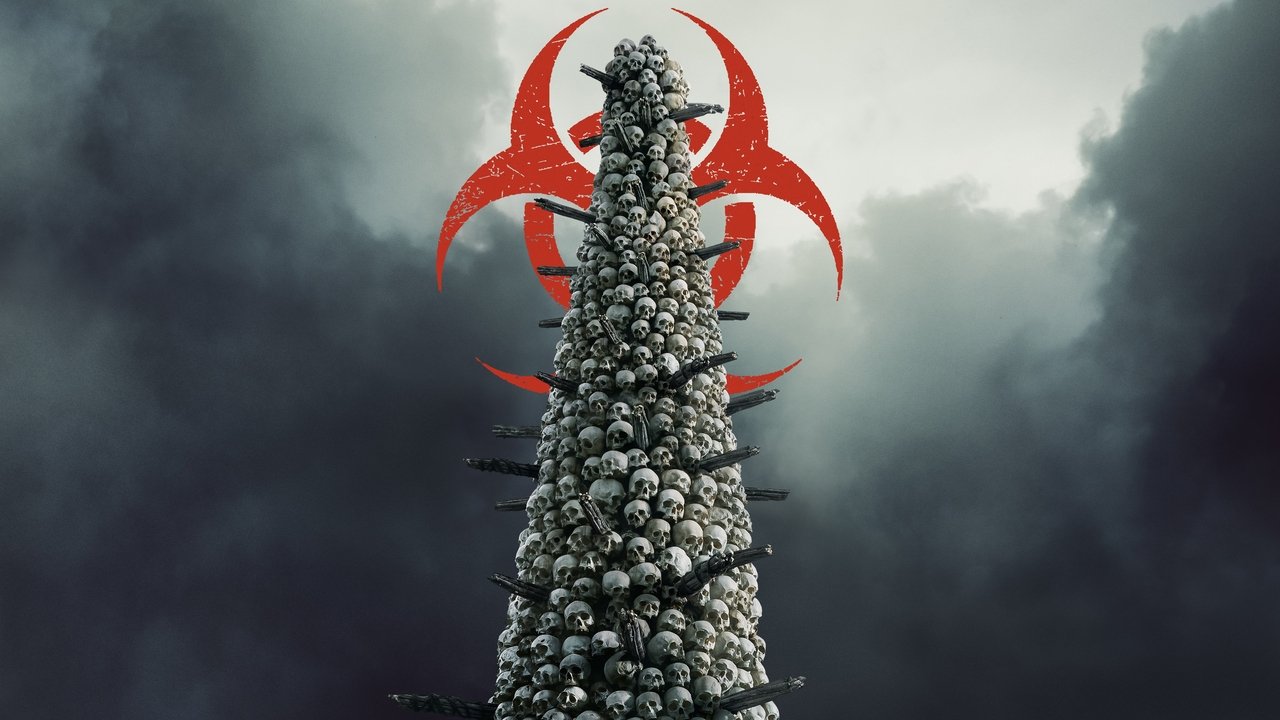








The post-apocalyptic landscape of '28 Years Later' unfolds with a stunning blend of visual elements and thematic exploration that reminds audiences why this genre still captivates. Set twenty-eight years after the catastrophic outbreak of the Rage virus, the film delves into the survival of a group on a heavily-defended island, linked to the mainland by a single causeway. It’s a premise ripe for suspense and character depth, and director Danny Boyle's signature style pulls this off impressively, delivering a narrative that feels both fresh and deeply unsettling.
The film’s emotional core is anchored by newcomer Alfie Williams, whose performance offers a grounded perspective amid the chaos. Williams portrays a character who navigates the psychological and moral complexities of survival, bringing nuance to scenes filled with tension and dread. His interactions with the rest of the cast, including the formidable presence of veterans like Jodie Comer and Ralph Fiennes, create dynamics that are both compelling and sometimes unsettling, as they delve into the darker aspects of human nature that the outbreak forces into the spotlight.
Exploring themes of isolation, trust, and the primal instincts that surface during crises, '28 Years Later' is almost as much a character study as it is a horror film. The survivors are faced with more than just the mutated infected; the film challenges them—and the audience—to grapple with what it means to survive in a world where societal norms have collapsed. Some sequences evoke a sense of wonder, such as those depicting the enchanting yet haunting beauty of a post-epidemic landscape. However, it is this juxtaposition that also leads to some narrative missteps. At times, the film feels overly ambitious, straying into realms of existential philosophy that may leave some viewers disoriented or even disengaged. These audacious choices could either entrall or alienate audiences, revealing the film’s most significant flaw: its uneven narrative rhythm.
While the cinematography is arguably exceptional, with breathtaking shots of both the island and the unexplored mainland, the editing may not always serve the story's pacing effectively. Key moments feel rushed, leaving emotional beats partially explored. A few set pieces, although visually striking, could benefit from a modicum more tension building to elevate stakes. Yet Boyle's direction shines in constructing sequences that are both horrifying and beautiful, and despite its flaws, the film’s ambition compels viewers to reflect on its deeper questions long after the credits roll.
Supporting performances elevate the material, with Comer bringing a fierce urgency to her role, embodying the resilience required for survival. The film excels in its exploration of complex characters that wield both strength and vulnerability, providing a welcome change to the often one-dimensional portrayals in genre films.
Musically, the score complements the atmosphere deftly, pairing haunting melodies with jarring dissonance to heighten tension at critical junctures. It enhances the film’s emotional undertones, although at times it feels repetitive, somewhat detracting from its otherwise high technical quality.
In its exploration of survival against a backdrop of beauty, horror, and betrayal, '28 Years Later' presents both a riveting narrative and an artistic take on societal collapse. Despite its uneven narrative pacing and occasional overreach, it stands as a daring evolution of the zombie genre, offering more than just scares but also a relevant commentary on human nature. While the film may not resonate universally with all horror fans, its ambition alone is worth exploring.
Thus, '28 Years Later' is a complex tapestry of horror intertwined with a profound exploration of humanity, and serves as a striking entry into the realm of post-apocalyptic cinema. While it challenges viewers to confront uncomfortable questions about survival and morality, it also delivers enough suspense and character depth to keep audiences engaged—albeit with a few reservations that may require patience on the viewer’s part.