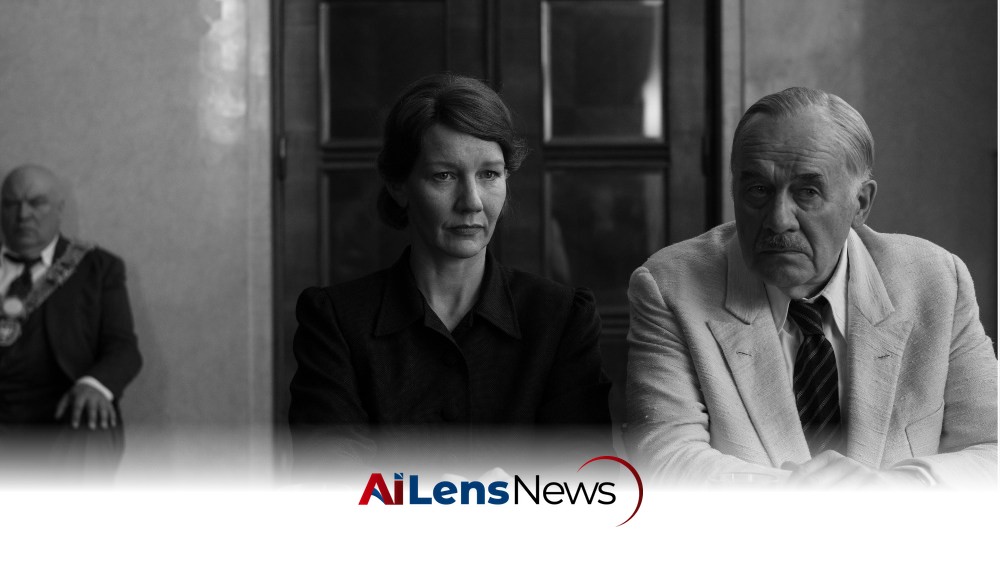


Oscar-winning director Paweł Pawlikowski's latest film, 'Fatherland,' will open the 32nd Sarajevo Film Festival on August 14, following its premiere at Cannes.
New Delhi, India Jul 8, 2026 ALN: Paweł Pawlikowski’s latest film, ‘Fatherland’, is set to open the 32nd Sarajevo Film Festival on August 14. The Oscar-winning Polish director will attend the gala screening, marking a significant moment in the festival's history. This year’s festival is particularly noteworthy as it continues to foster an environment for cultural exchange and dialogue in a region that has experienced profound historical upheaval. The festival is not just a celebration of cinema; it is a testament to the resilience of a community that has faced the ravages of war and division.
The Sarajevo Film Festival, founded in 1995 during the Bosnian War, has grown into one of the leading film festivals in Southeast Europe. Initially established as a means to provide a platform for filmmakers from the former Yugoslavia, the festival has expanded its scope over the years to include international films that resonate with the themes of conflict, identity, and the human experience. It serves as a vital space for filmmakers from the region and around the world, showcasing a diverse range of films that reflect the complexities of life in a post-conflict society. The festival has become a symbol of resilience and hope, drawing attention to the power of cinema to heal and connect people.
Having premiered at the Cannes Film Festival earlier this year, ‘Fatherland’ earned Pawlikowski the prestigious Best Director award. This accolade is a testament to his skill in weaving intricate narratives that explore profound themes of identity, memory, and family dynamics. The film explores the complex relationship between Nobel Prize-winning writer Thomas Mann, portrayed by Hanns Zischler, and his daughter Erika, played by Sandra Hüller. Set against the backdrop of a post-World War II Germany, the narrative unfolds during a road trip that takes them from U.S.-controlled Frankfurt to Soviet-occupied Weimar.
As they journey through a country in ruins, Thomas Mann confronts not only the division of his homeland but also the fractures within his own family. This poignant exploration of personal and national identity resonates deeply, particularly in a festival context steeped in history and conflict. The narrative invites viewers to reflect on the lasting impacts of war and the ways in which personal histories intertwine with national narratives. Such themes are particularly relevant in Bosnia, a country that has grappled with its own historical traumas and divisions, making the film's premiere at this festival particularly poignant.
Pawlikowski expressed his belief that ‘Fatherland’ is well-suited for the Sarajevo Film Festival, stating,
“It seems like the film suits Sarajevo Film Festival because it’s steeped in history and in conflict, in situations which are still within living memory in Bosnia.”
This sentiment underscores the festival's role as a cultural touchstone, where films that grapple with the legacies of conflict and the search for identity find a receptive audience. He also reflected on his long-standing relationship with the festival, which has spanned decades. This connection highlights the importance of cultural festivals in providing a space for filmmakers to engage with audiences who may share similar historical experiences, thereby fostering a sense of community and understanding.
Pawlikowski’s previous works, including the documentary ‘Serbian Epics’ (1992) and the feature ‘Cold War’ (2018), have been showcased at the festival. His film ‘Cold War’ notably opened the 24th Sarajevo Film Festival, and in 2019, he was honored with the Honorary Heart of Sarajevo. These accolades underline his significant contributions to cinema and his commitment to exploring themes that resonate with audiences on both personal and collective levels. His ability to tell stories that transcend cultural boundaries has made him a revered figure in the international film community.
Highlighting his connection with festival founder Mirsad Purivatra and director Jovan Marjanović, Pawlikowski remarked,
“This is a festival that I feel very close to. I value the relationships I formed in Sarajevo with Miro, with Jovan.”
He emphasized that his films, particularly his recent works, are deeply rooted in history and find a welcoming home at the festival. This relationship is mutually beneficial, as the festival gains prestige from showcasing Pawlikowski's films, while he, in turn, benefits from the festival's unique context and audience.
Pawlikowski’s career began with award-winning documentaries before transitioning to narrative features. His film ‘Ida’ (2013) won the Academy Award for Best International Feature Film, making it the first Polish film to achieve this honor. It also garnered five European Film Awards, including Best Film and Best Director. The film’s exploration of themes such as identity, memory, and the Holocaust resonated with international audiences, solidifying Pawlikowski’s reputation as a master storyteller. His ability to capture the nuances of human experience has made his films a subject of study in film schools around the world.
Following ‘Ida’, Pawlikowski’s ‘Cold War’ premiered at Cannes, where he received the Best Director award and the film went on to earn three Academy Award nominations, including Best Director. It also won multiple awards at the European Film Awards. The critical acclaim for both films has positioned Pawlikowski as one of the leading voices in contemporary cinema, known for his ability to blend personal narratives with broader historical contexts. His films often reflect the complexities of human emotions against the backdrop of significant historical events, allowing audiences to engage with both the personal and the political.
The 32nd Sarajevo Film Festival will take place from August 14 to 21, showcasing a diverse array of films and celebrating cinematic achievements. The festival will feature not only the opening film ‘Fatherland’ but also a of other international and regional films that reflect the rich tapestry of stories emerging from the Balkans and beyond. This year’s lineup promises to engage audiences in discussions about identity, conflict, and the power of storytelling, reaffirming the festival’s role as a vital platform for filmmakers and audiences alike.
As the Sarajevo Film Festival continues to evolve, it remains a beacon of hope and creativity in a region that has faced immense challenges. By bringing together filmmakers, critics, and audiences, the festival fosters a sense of community and encourages dialogue around pressing social issues. The inclusion of films like ‘Fatherland’ highlights the importance of cinema as a medium for reflection, understanding, and healing, making this year’s festival a significant event in the cultural calendar. The festival not only showcases films but also serves as a reminder of the power of art to bridge divides and promote empathy in a world often fractured by conflict.
To learn more about the latest developments in Movies, stay updated with our exclusive reports and analyses on AiLensNews.

