

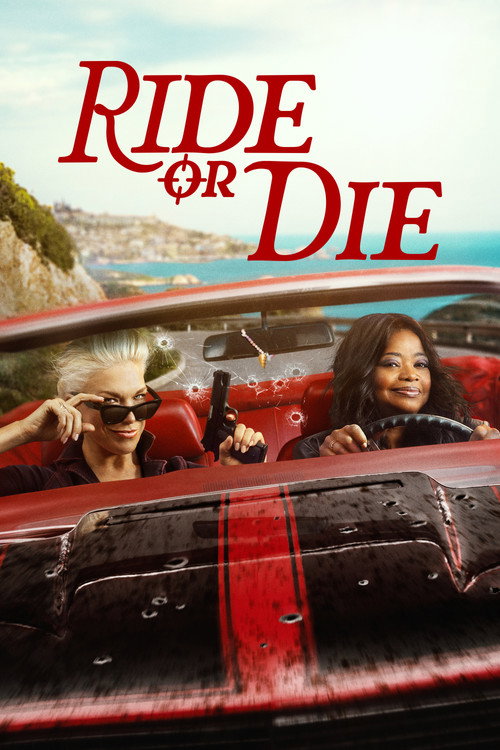
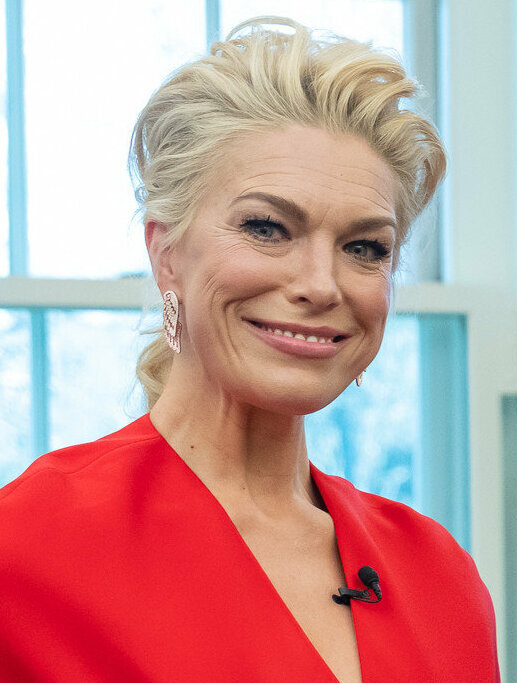
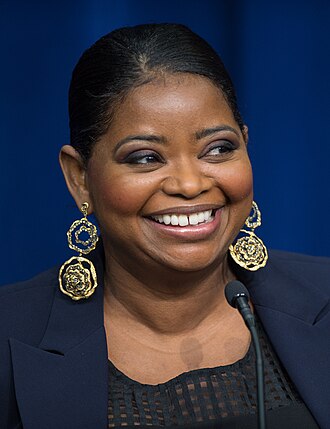




‘Ride or Die’ is an audacious foray into the buddy-action genre, driven by the vibrant chemistry between its leads, Hannah Waddingham and Octavia Spencer. Right from the outset, the dynamic between Judith and Debbie sets a tone that oscillates between humor and tension. Judith's secret life as a trained assassin and the chaotic aftermath of a botched hit propel the narrative, forcing these two friends to confront the fragility of their relationship amidst a whirlwind of danger. The series is unafraid to delve into the complexities of friendship—specifically, how deeply intimacy can be tested under pressure.
One of the standout features of ‘Ride or Die’ is its deft blending of genres. The humor never feels forced or misplaced, with witty exchanges that feel genuine and earned. Waddingham, particularly, showcases her range, oscillating between lighthearted quips and moments of raw vulnerability as Judith grapples with the chaos of her life. Meanwhile, Spencer provides a grounding force, her steady presence highlighting the emotional stakes of their predicament. Their bond drives the series forward, making viewers invested not just in their survival but in the restoration of their fractured friendship.
The action is executed with flair, featuring well-choreographed scenes that avoid the pitfalls of over-reliance on CGI. Each sequence feels physical and visceral, bringing a tangible thrill to the proceedings. The show also plays cleverly with pacing, transitioning seamlessly from high-stakes moments to quieter, more introspective scenes that allow the characters' development to breathe. However, this meticulous balance occasionally falters. At times, the series leans too heavily on clichés associated with the genre, presenting plot points and scenarios that feel all too familiar. The villain’s motivations, for instance, lack depth, offering little new to the conversation. A more nuanced exploration of antagonistic forces could have elevated the stakes and provided richer narrative layers.
Despite its minor shortcomings, the series shines in its commentary on friendship and trust. Judith and Debbie’s journey is more than just evading assassins; it's about overcoming the barriers that life—and secrets—erect. A notable turning point occurs when Debbie, in a moment of doubt, questions everything she thought she knew about Judith. This scene serves as a powerful reminder of the complexities of understanding one another, especially with the implications of deception hanging overhead. Such moments provide the series with emotional weight, even as it juggles the fast-paced action.
Visually, ‘Ride or Die’ is a treat, utilizing a palette that echoes both the lighthearted and dangerous aspects of its story. Cinematographer Adrian K. Jones deserves commendation for crafting visually striking sequences, lending an artistic quality that enhances the overall storytelling. The soundtrack, while effective in building tension and punctuating moments of levity, can occasionally overshadow dialogue, creating a clash that detracts from the character interactions.
Ultimately, ‘Ride or Die’ is an exhilarating ride that explores friendship in the face of chaos. While it shines in its performances and smart humor, it must be careful not to fall into the easy embrace of genre tropes that can dilute its originality. There’s nothing inherently wrong with familiar frameworks, but in a landscape crowded with innovative storytelling, pushing beyond the well-trodden path would have made ‘Ride or Die’ an even more compelling narrative. Nevertheless, it still provides a hearty blend of laughs, thrills, and heartfelt moments that many viewers will appreciate, making it a solid addition to the buddy-action canon.