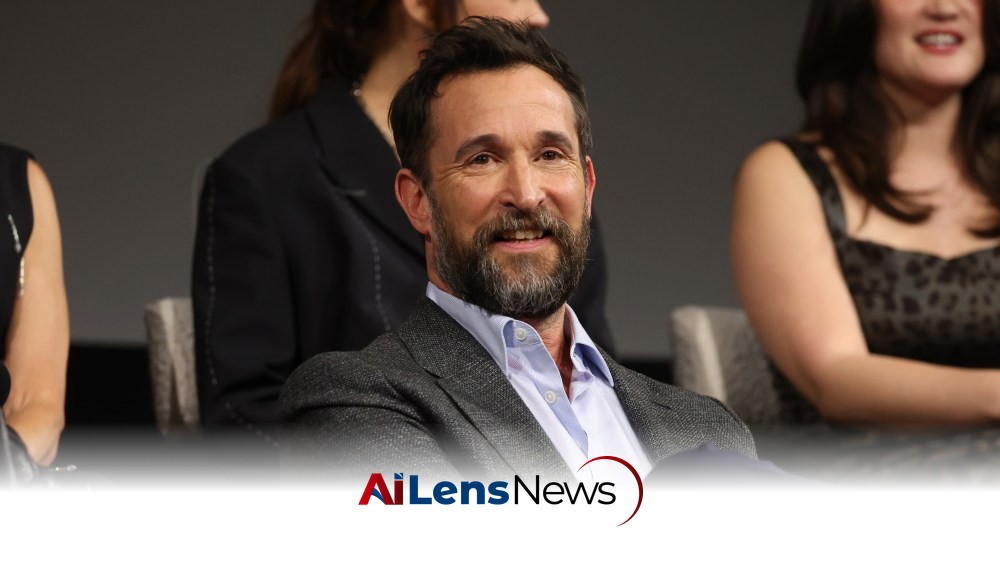


Noah Wyle shares insights on missing out on roles in 'Saving Private Ryan' and 'Good Night, and Good Luck' due to his commitment to 'ER'.
New Delhi, India Jul 5, 2026 ALN: Noah Wyle, an actor with a notable career spanning several decades, is perhaps best known for his role as Dr. John Carter on the groundbreaking medical drama 'ER'. This series, which aired from 1994 to 2009, not only defined a generation of television but also catapulted Wyle and many of his co-stars to international fame. 'ER' was a pioneering show that changed the landscape of medical dramas, blending fast-paced storytelling with character-driven narratives, and its influence is still felt in contemporary television. The series depicted the intense and often chaotic lives of emergency room staff at a Chicago hospital, highlighting the emotional and ethical dilemmas faced by medical professionals. It tackled various social issues, including gun violence, drug addiction, and the complexities of patient care, making it a significant cultural touchstone.
However, during a recent appearance on the 'Still Here Hollywood' podcast, Wyle reflected on the significant roles he missed out on while dedicated to 'ER', providing a glimpse into the often unseen sacrifices that actors make in the pursuit of their careers. Wyle revealed that he was offered pivotal roles in two iconic films: 'Saving Private Ryan', directed by Steven Spielberg, and 'Good Night, and Good Luck', directed by George Clooney. Both films have since been recognized as significant contributions to American cinema, with 'Saving Private Ryan' particularly noted for its realistic portrayal of World War II and its influence on the war film genre. The film features a star-studded cast, including Tom Hanks and Matt Damon, and has been lauded for its intense battle sequences and emotional depth. The film's depiction of the horrors of war has been praised for its authenticity, and it remains a benchmark for filmmakers aiming to portray historical conflicts.
In his discussion, Wyle shared the weight of his missed opportunities, stating, “Yeah, tons. Happens all the time. We talked about a couple of them, actually. ‘Good Night, and Good Luck,’ George offered me a part in that. I couldn’t get out of ‘ER’ to do it. I was offered the part of Private Ryan in ‘Saving Private Ryan,’ couldn’t get out of ‘ER’ to do it.” This highlights a common dilemma faced by actors who find themselves in high-demand roles on successful series, often leading to conflicts with potential film projects. The commitment to a long-running television series can be both a blessing and a curse, as it provides stability and visibility but can also restrict the actor's ability to pursue other opportunities. Wyle's experience is emblematic of the challenges many actors encounter, where the success of one project can inadvertently hinder their access to others.
Despite the disappointment of not being able to take on these roles, Wyle expressed a sense of gratitude towards the actors who ultimately filled those parts. He articulated a feeling of relief, noting, “I almost am glad that I didn’t do them, because, you know, those guys made those parts.” This sentiment reflects a maturity and understanding of the collaborative nature of filmmaking, where the right actor can bring a character to life in ways that resonate deeply with audiences. In particular, he praised Matt Damon’s portrayal of Private Ryan and Jeremy Davies’ performance as Upham, recognizing their contributions to the films' successes and acknowledging that he could not envision himself achieving similar results. This perspective illustrates Wyle's respect for the craft and his colleagues, as well as his understanding that every actor brings a unique interpretation to their roles, which can significantly alter the narrative's impact.
Wyle's reflections on missed roles also serve to underscore the competitive nature of the entertainment industry, where timing and availability can dictate an actor's career trajectory. The landscape of Hollywood is notoriously unpredictable, with actors often vying for the same roles in a highly competitive environment. For many performers, the decision to commit to a long-running series can lead to both rewards and sacrifices. 'ER' itself was a cultural phenomenon that not only garnered critical acclaim but also provided Wyle with a platform that launched his career. The series was groundbreaking in its depiction of medical professionals and the complexities of their lives, and it remains a significant part of television history. The show's impact was so profound that it influenced subsequent medical dramas, creating a template that many later series would follow.
Currently, Wyle is starring in 'The Pitt', a show that has recently concluded its second season on HBO Max. This series has also garnered critical acclaim, winning five Emmy awards in 2025, including outstanding drama series and a lead actor award for Wyle’s portrayal of Dr. Michael “Robby” Robinavitch. The success of 'The Pitt' serves as a testament to Wyle's enduring talent and ability to captivate audiences, even as he navigates the complexities of his career choices. The series explores various themes, including personal and professional struggles within the medical field, and has been praised for its nuanced writing and character development, further solidifying Wyle's reputation as a versatile actor.
As production for the third season of 'The Pitt' began in June and is set to continue into November, Wyle remains a prominent figure in the industry. His experiences highlight the often bittersweet nature of an acting career, where the pursuit of one opportunity can lead to the loss of another. The balance between film and television roles can be particularly challenging, especially in an era where streaming platforms and traditional television continue to evolve. The rise of streaming services has transformed the entertainment landscape, providing new opportunities for actors but also increasing competition for roles. Wyle's journey reflects the adaptability required of actors in this changing environment, as they must navigate the shifting dynamics of the industry.
Wyle's insights also open up a broader conversation about the nature of success in Hollywood. Many actors find themselves at a crossroads where they must choose between lucrative television roles and potentially career-defining film opportunities. The decision-making process can be fraught with uncertainty, as actors weigh the immediate benefits of a steady television job against the long-term potential of a film role. The landscape of the entertainment industry is constantly shifting, and what may seem like a missed opportunity at one point can turn into a blessing in disguise, as Wyle himself noted regarding the actors who took on the roles he missed. This notion speaks to the unpredictability of the industry and the importance of being open to new possibilities.
In conclusion, Noah Wyle’s reflections on his career and the roles he missed while filming 'ER' serve as a poignant reminder of the sacrifices that come with success in the entertainment industry. His story is not just about the roles he did not take but also about the journey he has taken as an actor. As he continues to evolve in his career, Wyle remains a respected figure in Hollywood, demonstrating that even missed opportunities can lead to a fulfilling and successful path in the arts. His experiences resonate with many in the industry, highlighting the delicate balance between ambition and contentment, and the ongoing pursuit of artistic expression in a constantly changing world.
To learn more about the latest developments in Celebrities & Influencers, stay updated with our exclusive reports and analyses on AiLensNews.

