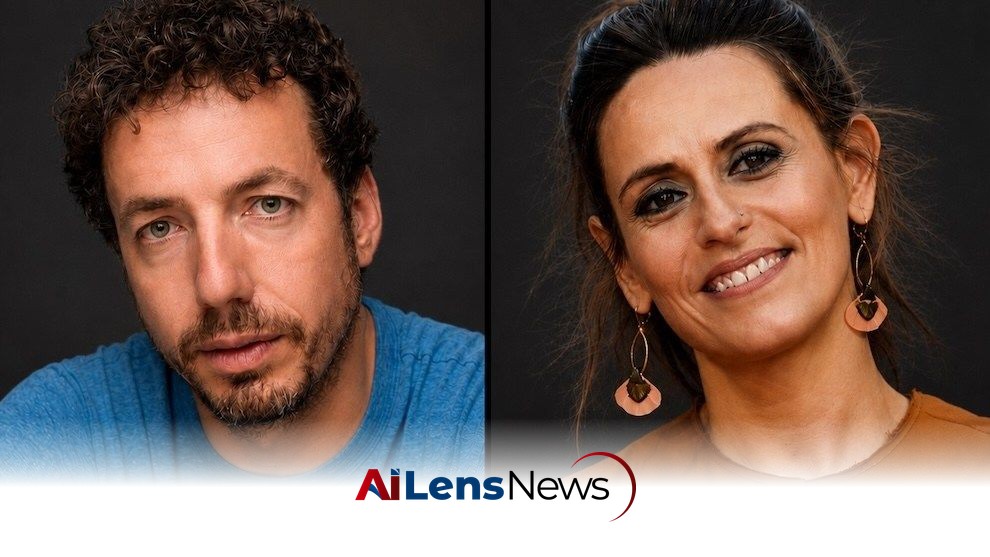


Spanish actors Itziar Ituño and Vito Sanz star in the upcoming sci-fi drama series ‘Numana,’ exploring themes of surveillance and genetic privilege.
New Delhi, India Jul 7, 2026 ALN: Spanish actors Itziar Ituño, widely recognized for her role in the globally acclaimed series "Money Heist," and Vito Sanz, known for his performance in "The Other Way Around," have recently secured leading roles in the anticipated sci-fi drama series ‘Numana.’ This new series is the brainchild of Argentine-Spanish writer-directors Jesica Arán and Soledad Velasco, who aim to craft a narrative that explores a dystopian future dominated by corporate power and surveillance.
‘Numana’ is being produced by the Chilean-Spanish production company Clara Films in collaboration with Barcelona-based Unbound Hub. The series is set against a backdrop where the multinational corporation Numana has effectively supplanted democracy with a stringent surveillance state. At the core of this society is Aurora, an omnipresent artificial intelligence system that meticulously monitors the desires and behaviors of its citizens, raising questions about privacy and autonomy in an increasingly digital age.
The plot of ‘Numana’ revolves around two genetically identical women who engage in a daring switch of identities. This act serves as a lens through which the series examines a hierarchical world built on genetic selection, exploitation, and enforced obedience. By presenting a narrative that intertwines personal identity with broader societal issues, ‘Numana’ aims to reflect and critique contemporary problems through the engaging medium of science fiction.
Producer Clara Larraín Zegers articulated the series’ ambition by stating, "Numana uses genre to speak directly to the present." This sentiment underscores the creators' intention to address pressing themes such as genetic privilege, corporate dominance, surveillance, and the quest for social mobility. The creators believe that these themes resonate deeply with current societal concerns, particularly as technology continues to evolve at a rapid pace, often outpacing ethical considerations.
As of now, ‘Numana’ is in the packaging and financing stage, with plans for it to be a European–Latin American co-production. This collaboration signifies a blending of cultural perspectives and artistic styles, combining studio work with authentic settings across various locations, including Bilbao, Chile, and potentially other territories. The producers are actively seeking strategic European co-production partners and additional financing opportunities to bring this ambitious project to fruition.
In a recent discussion, Arán and Velasco shared their inspirations and the conceptual framework that led to the creation of ‘Numana.’ They envisioned a future where societal norms surrounding family and identity could be manipulated through advanced technology. Velasco noted, "We got goosebumps when we discussed the idea of defective products that we currently return through online platforms." This statement encapsulates the series' exploration of commodification in human relationships, suggesting a world where even children could be ordered and returned like products through an app, should they fail to meet expectations.
Arán expressed her enthusiasm about casting Ituño and Sanz, emphasizing the importance of authentic character representation. She stated, "We believe that stories are the characters, and characters are embodied in the bodies and souls of real people." This belief highlights the creators’ commitment to depth and complexity in character development, which will be crucial as the series unfolds its narrative.
The creators of ‘Numana’ are not merely crafting a fictional narrative; they are engaging with potential realities that could arise from current technological trends. As they explore the implications of their fictional world, they draw on technological projections and advancements in genetic intervention. Arán remarked, "While the series is a work of fiction, we believe it serves as a way to process some things that could very well happen." This perspective positions ‘Numana’ as a thought-provoking commentary on the ethical implications of technological advancements, raising critical questions about the future of humanity in a world increasingly influenced by corporate interests and surveillance.
Moreover, the series is set to engage audiences not only through its thrilling plot but also by prompting discussions about the moral and ethical dilemmas posed by modern technology. As viewers become more aware of the implications of genetic engineering, artificial intelligence, and corporate control, ‘Numana’ could serve as a catalyst for dialogue about the direction society is heading. The creators hope to encourage viewers to reflect on their own lives and the choices they make in an age where technology increasingly mediates human experience.
‘Numana’ is poised to be a significant addition to the science fiction genre, offering a compelling exploration of the intersection between technology and humanity. With a talented cast led by Ituño and Sanz, and visionary creators Arán and Velasco at the helm, the series promises to deliver not only entertainment but also a critical examination of the societal structures that shape our lives. As the project progresses, it will be interesting to see how the narrative evolves and what insights it will offer about our contemporary world.
The genre of dystopian fiction often serves as a reflection of societal anxieties and fears, using speculative scenarios to explore the potential consequences of current trends. In recent years, there has been a notable resurgence of interest in dystopian themes across various media, from literature to television. This trend can be attributed to growing public concerns surrounding issues such as privacy, government surveillance, climate change, and the impact of technology on daily life. Series like ‘Numana’ tap into these anxieties, using the framework of science fiction to engage audiences in critical conversations about the future.
By exploring the implications of a world governed by corporations and advanced surveillance technologies, ‘Numana’ aligns with a broader cultural movement that seeks to interrogate the power dynamics at play in our own society. The rise of artificial intelligence and its integration into everyday life raises ethical questions about the extent to which technology should influence human behavior and decision-making. Dystopian narratives like ‘Numana’ encourage viewers to consider the balance between technological advancement and the preservation of individual rights and freedoms.
The creators of ‘Numana’ are particularly interested in the intersection of technology and ethics, especially as it pertains to genetic engineering and artificial intelligence. As advancements in these fields continue to unfold, society faces a myriad of ethical dilemmas that challenge our understanding of what it means to be human. The ability to manipulate genetic traits raises questions about identity, diversity, and the potential for discrimination based on genetic characteristics. In a world where genetic modification becomes commonplace, issues of inequality and access to technology could exacerbate existing societal divides.
Furthermore, the role of artificial intelligence in shaping human experiences presents its own set of challenges. As AI systems become more integrated into daily life, the potential for surveillance and control increases. The omnipresence of AI, as depicted in ‘Numana’ through the character of Aurora, reflects real-world concerns about privacy and the extent to which individuals are monitored by both corporations and governments. This narrative serves as a cautionary tale, urging viewers to remain vigilant about the implications of unchecked technological power.
The collaborative nature of ‘Numana,’ which brings together talents from different cultural backgrounds, highlights the importance of diverse perspectives in storytelling. The merging of Argentine and Spanish influences in the creative process enriches the narrative, allowing for a more nuanced exploration of themes that resonate across borders. This cultural exchange not only enhances the storytelling but also fosters a sense of global interconnectedness in addressing shared challenges.
In addition to the thematic depth, the casting of actors like Ituño and Sanz underscores the significance of representation in media. By featuring diverse characters who navigate complex moral landscapes, ‘Numana’ aims to resonate with a wide audience while also reflecting the realities of a multicultural society. This commitment to authentic representation is crucial in creating relatable and compelling narratives that engage viewers on multiple levels.
As ‘Numana’ moves forward in its development, it stands as a testament to the power of science fiction to provoke thought and inspire dialogue about the future. The series not only promises to entertain but also challenges viewers to confront the ethical dilemmas posed by technological advancements and corporate power. With its ambitious narrative and a talented cast, ‘Numana’ is set to become a significant work within the science fiction genre, offering insights into the complexities of modern life and the potential trajectories of our society.
To learn more about the latest developments in TV Shows, stay updated with our exclusive reports and analyses on AiLensNews.

