

Sam Neill's career spans decades, showcasing his versatility from supporting roles to leading man in iconic films. His humility and talent shine through.
New Delhi, India Jul 15, 2026 ALN: Sam Neill had been steadily working in the movies for nearly two decades before he became, at the age of 45, a star in the industry’s eyes. A sturdy, reliable everyman who radiated, depending on the role, a kind of quietly masculine decency or a steely chill, the New Zealander never chased the flashy, all-guns-blazing lead roles. Indeed, through the early years of his career, he did much of his best work as a selfless supporting pillar for various female tour de force turns: Judy Davis in “My Brilliant Career,” Isabelle Adjani in “Possession,” Nicole Kidman in “Dead Calm” and Meryl Streep in “Plenty” and “A Cry in the Dark.” His performances in all those films were intelligent, carefully etched and modulated so as to throw all the spotlight on his co-star; if he wasn’t yet a household name, that very humility had him much in demand.
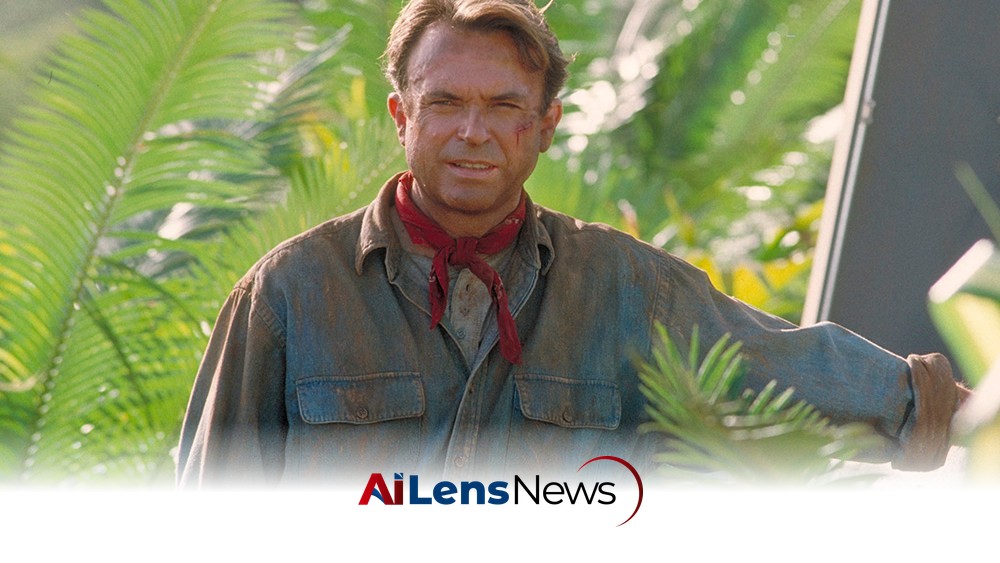
Yet when a pair of career-defining roles in 1993 launched him to the A-list, it wasn’t through a notable change in tack. As paleontologist Dr. Alan Grant in Steven Spielberg’s “Jurassic Park,” he was finally first-billed in a Hollywood mega-blockbuster, playing a macho hero type with his own accompanying action figure — but Neill knew as well as anyone that he was still playing second banana to a horde of dazzlingly rendered dinosaurs. With those creature effects always set to be the film’s primary selling point, Spielberg and Universal didn’t need a ready-made star for what producer Kathleen Kennedy at the time conceded “isn’t an intensely complicated part.” Neill was professional and affordable and wouldn’t pull focus; he was perfect.
Yet “Jurassic Park” was the kind of cultural colossus that threatened to make him a Hollywood leading man in spite of himself — even if, in a Los Angeles Times interview at the time, he shrugged off the idea, claiming that Spielberg’s film may have given him “a little more leverage,” but he continued to have “this penchant for small films — my agents complain about it from time to time — because I like to play a lot of different things.” This penchant for smaller projects speaks to Neill's artistic integrity and desire to explore diverse narratives, a quality that has defined his career.
One of those small films was “The Piano,” by his compatriot Jane Campion, which won the Palme d’Or at Cannes just as “Jurassic Park” was hitting theaters. In it, Neill was no hero. As the violently abusive, cuckolded husband of Holly Hunter’s mute mail-order bride in Campion’s colonial-era erotic fable, he was the stiff, priggish counterpoint to the liberated, sensual masculinity embodied in the film by Harvey Keitel. It was an unflattering, potentially thankless part that Neill played with a petty, almost poignantly impotent rage, and a fascinating performance to be doing the rounds while, over on the other side of the world, Neill was being fashioned as a Hollywood action man.
Once again, he was a lucky charm for his female co-star: Hunter won the Oscar for her brilliantly anguished, intuitive turn, and while “The Piano” received eight nominations overall, there was none for him. Not that he was bothered. Years later, he wrote that he regarded Campion’s “important feminist film” as being like “a medal on my chest”: “It’s a film that will always have a place in cinema history. And I served in it.” This sentiment highlights Neill's appreciation for the collaborative nature of filmmaking, as well as his respect for the stories being told, particularly those that challenge societal norms and conventions.
It’s a statement that encapsulates Neill’s approach to his career. He’d never headline a hit on the scale of “Jurassic Park” again, but that film and its sequels enabled him to take more profitable, unmemorable paycheck roles than he might otherwise have been offered. These roles, while not critically acclaimed, provided Neill with the financial stability to pursue more unconventional projects that aligned with his artistic vision. This balance between commercial success and personal fulfillment is a tightrope many actors struggle to walk, but Neill managed to navigate it with grace.
His filmography showcases a diverse range of genres and styles, from horror to drama to comedy, reflecting his versatility as an actor. Collaborating with visionary directors such as John Carpenter in “In the Mouth of Madness,” Sally Potter in “Yes,” Warwick Thornton in “Sweet Country,” and Taika Waititi in “Hunt for the Wilderpeople,” Neill often chose projects that prioritized storytelling and character development over box office potential. This willingness to engage with unique narratives and complex characters has solidified his reputation as a respected figure in the film industry.
In later years, unlikely social media fame — for posts showcasing his wry sense of humor and down-home love of nature — would seal his reputation as one of the industry’s nice guys. As a screen presence, however, he was more interesting and unpredictable than that. His ability to connect with audiences both on and off-screen speaks to his authenticity as a person and an artist. Neill's social media presence has allowed him to share not just his professional life but also glimpses into his personal interests, including his passion for winemaking and his love for animals, which further endears him to fans.
As he reflects on his extensive career, Neill’s contributions to cinema can be viewed through the lens of both his celebrated roles and his lesser-known performances. His commitment to supporting female-led narratives and his willingness to take on challenging characters have made him a significant figure in contemporary cinema. The landscape of film has evolved over the decades, and Neill’s adaptability and dedication to his craft have allowed him to remain relevant in an industry that often favors youth and novelty.
In conclusion, Sam Neill’s journey from a supporting actor to a Hollywood star is marked by a series of thoughtful choices and a dedication to diverse storytelling. His performances, whether in blockbuster hits or independent films, showcase a depth and nuance that resonate with audiences around the world. As he continues to work in the industry, Neill remains a steady force in cinema, embodying the values of integrity, humility, and a passion for the craft that inspire both his peers and the next generation of filmmakers.
To learn more about the latest developments in Movies, stay updated with our exclusive reports and analyses on AiLensNews.

