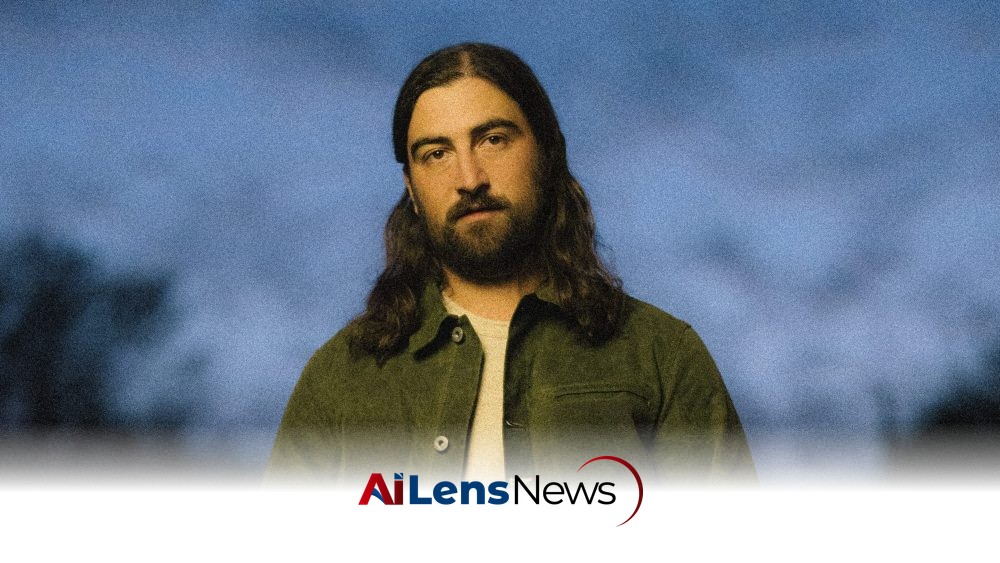


Noah Kahan has publicly condemned the White House for using his song 'American Cars' in a social media post, stating he would never approve of such usage.
New Delhi, India Jul 29, 2026 ALN: Noah Kahan is the latest musician to voice his disapproval of the White House's use of music on social media platforms. His song "American Cars" was featured in an Instagram post that showcased images of President Donald Trump during a visit to General Motors' flagship test site in Michigan. This incident has sparked a broader conversation about the ethical use of music in political contexts and the rights of artists regarding the use of their work.
After fans tagged Kahan in the comments, he responded on Tuesday with a clear message: “Would never approve of my music being used in support of you or this administration.” His reaction underscores a growing trend among artists who are increasingly vocal about their dissatisfaction with how their music is appropriated by political figures and organizations without prior consent.
In addition to the Instagram post, "American Cars" was also used in a TikTok video, where the sound remained enabled. Kahan's co-writer, Noah Levine, took to Instagram to express his outrage, commenting, “You fat fuck this song isn’t for you.” This kind of public backlash is becoming more common as artists seek to reclaim their narratives and protect the integrity of their work from being co-opted for political agendas.
Kahan's reaction is part of a larger trend among artists who have criticized the White House for using their music without permission. Recently, Katy Perry expressed her anger after her 2010 hit "Firework" was used in a TikTok post featuring military strikes. She stated, “I am deeply appalled and angry to see ‘Firework’ used on the TikTok account as a backing track for video footage of military strikes.” This highlights a significant concern among artists about the implications of their music being associated with controversial political actions.
Similarly, Ariana Grande shared her discontent when a version of her song "Bye" was used in a TikTok post depicting ICE agents arresting individuals. Other artists, including Sabrina Carpenter, Olivia Rodrigo, Celine Dion, Neil Young, and the Rolling Stones, have also criticized the administration for using their music. The collective outrage reflects a broader cultural moment where artists are increasingly aware of the power dynamics at play in the music industry and the potential for their work to be misrepresented.
Representatives for both Kahan and the White House have yet to respond to requests for comments regarding this incident. Kahan's strong stance reflects a growing sentiment among musicians who feel their work is being appropriated for political purposes without their consent. This raises important questions about the ownership of music and the extent to which artists can dictate how their creations are utilized in public discourse.
This ongoing issue raises important questions about artists' rights and the ethical use of music in political contexts. The unauthorized use of music can lead to a disconnect between the artist's intended message and the message conveyed by the political figure or organization that appropriates the work. As more musicians speak out, it remains to be seen how the White House will respond to these criticisms, and whether there will be any changes in policy regarding the use of music in political campaigns or communications.
In conclusion, Noah Kahan's condemnation of the White House's use of his song highlights a significant concern among artists regarding the unauthorized use of their music. As the dialogue continues, it is essential for artists to maintain control over how their work is utilized in public spaces. This incident serves as a reminder of the importance of consent in the creative process, and the potential consequences of disregarding an artist's wishes. As the music industry continues to evolve in the digital age, the relationship between artists and political entities will likely remain a contentious topic, prompting further discussions about rights, ethics, and the responsibilities of those in power.
Furthermore, this situation can lead to a broader examination of the cultural implications of music in politics. Music has long been a tool for social change and political expression, but when artists feel their work is misappropriated, it can undermine the very messages they aim to convey through their art. The backlash from Kahan and other artists may encourage a reevaluation of how political campaigns engage with music and the artists behind it, fostering a culture of respect and collaboration rather than appropriation.
As we move forward, it will be crucial for both artists and political figures to engage in open dialogues about the use of music. By establishing clear boundaries and mutual respect, both parties can work towards a more ethical framework that honors the intentions behind artistic creations. The potential for music to inspire and mobilize is immense, but it must be done in a way that aligns with the values and beliefs of the artists who create it. In this evolving landscape, the voices of musicians like Noah Kahan will play a pivotal role in shaping the future of music's intersection with politics.
In addition to the immediate implications for Kahan and other artists, this incident raises broader questions about the relationship between art and politics. Historically, music has been a powerful medium for political expression. Artists have used their platforms to advocate for change, raise awareness of social issues, and mobilize communities. However, the appropriation of music for political purposes without the artist's consent can lead to significant consequences.
For many artists, their music is a reflection of their beliefs, values, and experiences. When their work is used in a context that contradicts those beliefs, it can create a sense of betrayal and disillusionment. This can also lead to a loss of trust between artists and political entities, making it more difficult for politicians to engage with artists in the future. As artists continue to speak out against unauthorized use, it may prompt a shift in how political campaigns approach music and the artists behind it.
Moreover, the digital age has transformed the way music is consumed and shared. Social media platforms have become essential tools for artists to connect with their audiences, but they also present challenges regarding the control of artistic content. As music becomes more accessible, the potential for misuse increases, leading to a need for clearer guidelines and ethical standards surrounding the use of music in political contexts.
The implications of these conversations extend beyond individual artists and songs. They touch on larger issues of intellectual property rights, artistic ownership, and the responsibilities of those in power. As artists advocate for their rights, they may also inspire a broader movement advocating for the protection of creative works across various industries. This could lead to changes in legislation and policy that better safeguard artists' rights and ensure their voices are respected in the political arena.
In summary, the backlash from Noah Kahan and other artists regarding the unauthorized use of their music by political figures highlights a critical moment in the ongoing dialogue about artistic rights and the ethical use of music. As artists continue to assert their authority over their work, it is essential for political entities to engage in respectful and consensual practices when utilizing music in their communications. This evolving landscape will undoubtedly shape the future of how music and politics intersect, emphasizing the need for collaboration and mutual respect between artists and political figures.
To learn more about the latest developments in Events & Award Shows, stay updated with our exclusive reports and analyses on AiLensNews.

