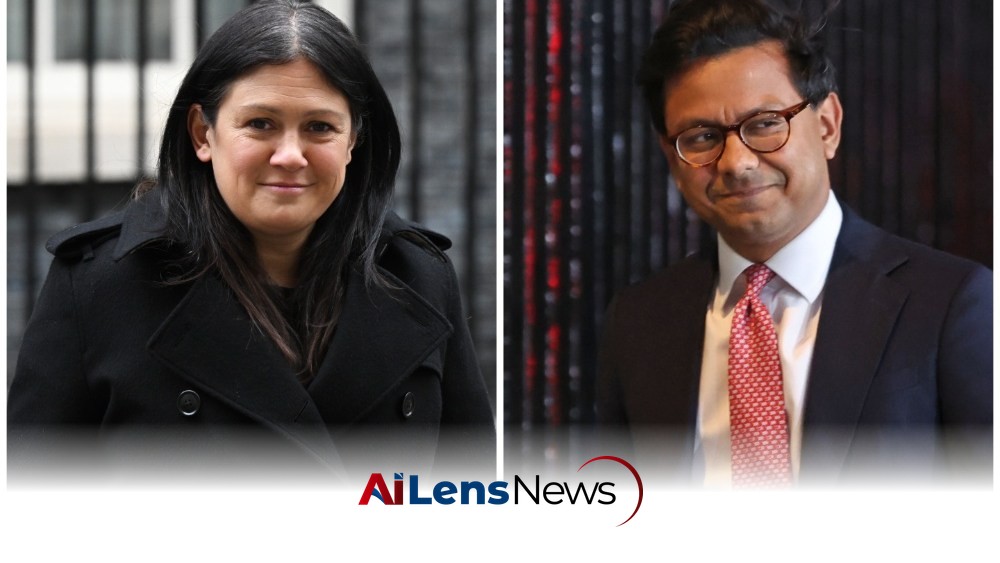


Despite a significant cabinet reshuffle by Prime Minister Andy Burnham, Lisa Nandy remains the U.K. Culture Secretary, while Kanishka Narayan is appointed as the first AI Minister.
New Delhi, India Jul 21, 2026 ALN: In a significant cabinet reshuffle, new Prime Minister Andy Burnham has decided to retain Lisa Nandy as the U.K. Culture Secretary. Nandy, who has represented Wigan in Parliament since 2010, was appointed to her current role by former Prime Minister Keir Starmer in July 2024, shortly after the Labour Party's victory in the general election. This retention signals Burnham's confidence in Nandy’s ability to address the pressing issues facing the culture sector, particularly in light of the ongoing challenges that have emerged in recent years.
Nandy's tenure has been marked by challenges, making her one of the longest-serving culture ministers in recent years. During her time in office, she has navigated a tumultuous landscape for the U.K.'s screen sector, which has been affected by the Hollywood writer and actor strikes, inflation, and a downturn in advertising revenues. The strikes, which have garnered international attention, have highlighted the fragile state of labor relations within the entertainment industry, drawing attention to issues such as fair pay and working conditions for creatives. Nandy's management of these challenges has been closely watched, as the outcomes could impact not only the livelihoods of those in the industry but also the cultural output of the U.K. as a whole.
As Culture Secretary, Nandy is currently overseeing the renewal of the BBC’s royal charter, a critical document that outlines the public broadcaster's mission and funding mechanisms. This renewal process is particularly significant given the changing media landscape, characterized by the rise of streaming services and shifting viewer habits. Discussions surrounding the BBC’s funding, including debates about the license fee and potential reforms, are contentious and have implications for the future of public broadcasting in the U.K.
Additionally, Nandy is involved in the U.K. segment of the Paramount/Warner Bros. Discovery merger, where she has indicated a willingness to intervene if necessary. This merger is part of a broader trend of consolidation within the media industry, raising questions about competition, content diversity, and the implications for audiences. Nandy's role in this process underscores the government's interest in maintaining a diverse media landscape that serves the public interest, especially as global media giants continue to exert influence over local markets.
Her role has also been pivotal amid other significant developments in the U.K. media landscape, such as Comcast-owned Sky's acquisition of ITV, which is pending regulatory approval. This acquisition is part of a larger narrative of media consolidation that has implications for content production, distribution, and viewer choice. As the media landscape evolves, Nandy's decisions will shape how audiences access and engage with content, influencing cultural consumption patterns across the country.
Moreover, the challenges facing the culture sector are not limited to the screen industry. Nandy has been tasked with addressing the broader implications of the COVID-19 pandemic on cultural institutions, including theaters, museums, and galleries, many of which faced severe financial strain during lockdowns. The government has implemented various support measures to help these institutions recover, but the long-term sustainability of the arts in the U.K. remains a pressing concern. Nandy’s ability to advocate for and secure funding for these sectors will be critical in preserving the rich cultural tapestry of the nation.
Alongside Nandy's retention, Burnham has appointed Kanishka Narayan as the first Minister for AI, a role that will operate within both the Cabinet Office and the Department for Business, Innovation, Science, and Trade. Narayan, who previously served as the parliamentary under-secretary of state in the science, innovation, and technology department, was elected as the MP for Vale of Glamorgan in July 2024. His appointment reflects the government's recognition of the growing importance of artificial intelligence across various sectors, including media, education, and public services.
This dual appointment reflects the government's commitment to addressing the evolving landscape of technology and media in the U.K., particularly as AI continues to play an increasingly significant role in various sectors. The integration of AI into everyday life raises questions about ethics, data privacy, and the future of work, making Narayan's role crucial in ensuring that the U.K. remains at the forefront of responsible AI development and deployment. His responsibilities will likely include fostering innovation while addressing the challenges posed by rapid technological advancements.
As the reshuffle unfolds, both Nandy and Narayan will be crucial in shaping the future of culture and technology in the U.K., navigating the complexities of their respective portfolios amidst ongoing industry challenges. The intersection of culture and technology presents both opportunities and risks, and their leadership will be pivotal in ensuring that the U.K. harnesses the benefits of innovation while preserving its cultural heritage.
The implications of these appointments extend beyond immediate policy decisions; they reflect broader societal trends and priorities. The retention of Nandy suggests a commitment to cultural resilience in the face of economic uncertainty, while the creation of a dedicated AI ministry signals an acknowledgment of the transformative potential of technology. As both ministers begin their work, stakeholders across the media and technology sectors will be closely monitoring their initiatives and the potential impacts on the U.K.'s cultural and technological landscape.
In summary, the retention of Lisa Nandy as Culture Secretary and the appointment of Kanishka Narayan as Minister for AI come at a critical juncture for the U.K. government. As they tackle the intertwined challenges of culture and technology, their leadership will be instrumental in shaping policies that not only respond to current industry crises but also anticipate future developments. The outcomes of their work will have lasting implications for the U.K.'s cultural identity and technological advancement, influencing how citizens engage with both media and emerging technologies in the years to come.
The reshuffling of cabinet positions under Prime Minister Burnham also reflects a broader strategy to align government priorities with the pressing needs of the U.K. populace. The cultural sector, which has historically been a vital component of national identity and economic contribution, is now under renewed scrutiny as it grapples with the dual pressures of maintaining relevance in a digital age while ensuring equitable access and representation. Nandy's experience and established connections within the industry may play a crucial role in fostering collaboration between the government and cultural institutions.
Furthermore, as the U.K. continues to navigate its post-Brexit landscape, the roles of Culture Secretary and Minister for AI will be pivotal in establishing the U.K.'s position in the global cultural and technological arenas. The decisions made in the coming months will not only impact domestic policies but may also influence international perceptions of the U.K. as a leader in cultural innovation and technological advancement.
In conclusion, the retention of Lisa Nandy and the appointment of Kanishka Narayan are indicative of the U.K. government’s strategic focus on culture and technology as intertwined elements that will shape the future of the nation. Their leadership will be critical in addressing the current challenges faced by the culture sector while ensuring that the U.K. remains competitive in the rapidly evolving technological landscape. As both ministers embark on their respective roles, the outcomes of their initiatives will be closely watched by industry stakeholders, cultural advocates, and the general public, all of whom have a vested interest in the future of the U.K.'s cultural and technological identity.
To learn more about the latest developments in Events & Award Shows, stay updated with our exclusive reports and analyses on AiLensNews.

