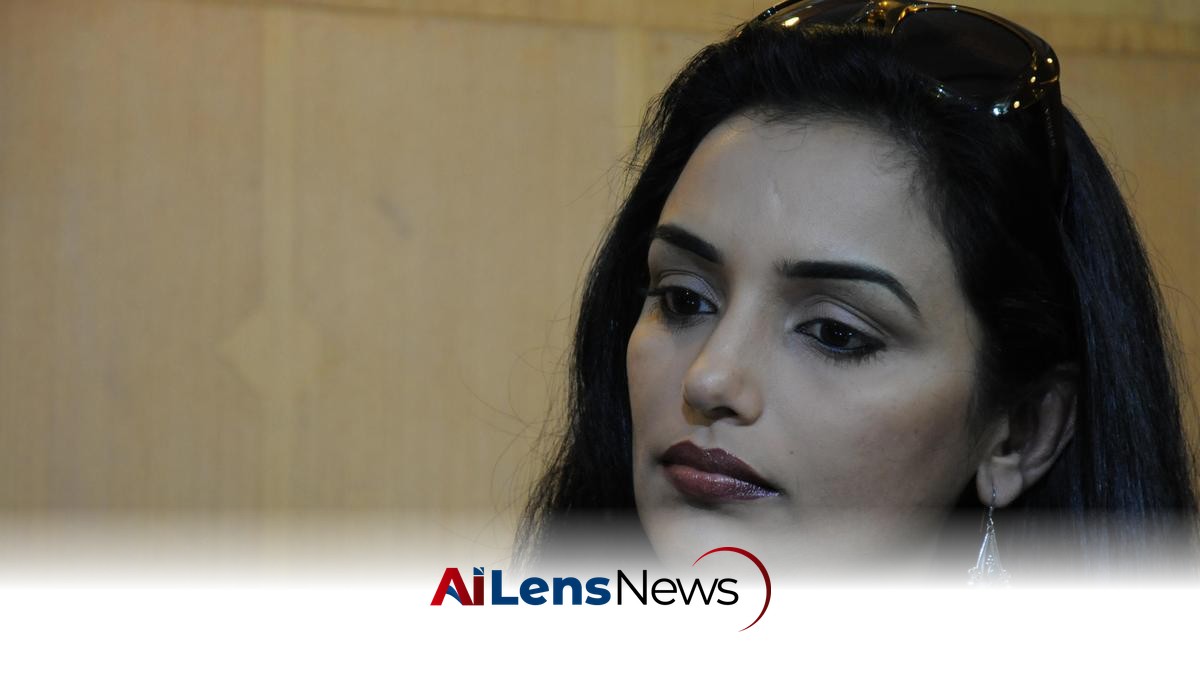


Actor Shwetha Menon's claims about a 'power group' in Malayalam cinema have ignited a new conflict within AMMA, as rival members demand transparency.
Thiruvananthapuram, India Jul 23, 2026 ALN: The recent allegations made by actor Shwetha Menon have ignited a significant internal conflict within the Association of Malayalam Movie Artistes (AMMA), highlighting the ongoing tensions and divisions that exist within the organization. Menon's claims center around what she describes as a 'power group' referenced in the Hema Committee report, which investigated the systemic issues faced by women in the Malayalam film industry. This report has become a pivotal document in discussions about gender equality and the treatment of women in the industry, underscoring the need for reform and accountability.
The Hema Committee report, which was finally published on August 19, 2024, five years after its submission to the government, has been a source of contention and controversy. It detailed numerous abuses and injustices, including sexual exploitation, discrimination, wage disparity, and inhumane working conditions that women in the industry have faced. The report's findings have been shocking to many and have raised awareness about the need for reform within the Malayalam film industry. This report has not only shed light on the challenges faced by women but has also initiated broader conversations about the culture of silence and complicity that has often surrounded such issues.
Menon's allegations have sparked a fierce backlash from her rivals within AMMA, who have demanded that she reveal the identities of those she claims are part of this so-called 'power group.' Critics, including fellow actors such as Maala Paravathi and Usha Haseena, have accused Menon of using these allegations as a smokescreen to distract from her own leadership failures. They argue that her administration has not effectively managed the association, particularly in light of a no-confidence motion that was brought against her during the annual general body meeting held in Kochi on June 21, 2026. This no-confidence motion reflects a deep-seated dissatisfaction among members regarding the direction in which Menon has been steering AMMA.
During this meeting, the discontent among members of AMMA reached a boiling point, leading to calls for Menon's resignation. Initially, Menon announced her intention to step down from her position as president, a move that seemed to acknowledge the mounting pressure from her colleagues. However, she later reversed this decision, asserting her commitment to continue leading the association and to ensure that those named in the Hema Committee report would not be allowed to take on leadership roles within AMMA. This reversal has further fueled the controversy, raising questions about her leadership style and decision-making processes.
Paravathi has been vocal in her criticism of Menon, insisting that she must disclose the names of those she accuses of trying to assume power within the association. Paravathi pointed out that some of the names commonly discussed in connection with the 'power group,' such as actors Siddique, Baburaj, and Edavela Babu, were not mentioned in the Hema Committee report. Furthermore, these individuals have publicly stated that they do not wish to pursue leadership positions within AMMA, undermining Menon's claims and raising doubts about the validity of her accusations. This situation highlights the challenges of navigating personal grievances and professional reputations within a tightly-knit community such as AMMA.
Usha Haseena has also weighed in on the controversy, accusing Menon of deflecting attention from her alleged failure to present a financial statement for the association. Haseena contends that there has been no demand for individuals facing allegations to take on key roles within AMMA; rather, the call has been for Menon to step down due to her inability to effectively lead the organization. Haseena's remarks reflect a broader sentiment among some members that Menon's leadership has been compromised by the serious allegations of financial irregularities that have been levied against her. The financial transparency of AMMA has been a longstanding issue, and the lack of clarity regarding its finances has exacerbated the current crisis.
The implications of this internal strife within AMMA are significant, particularly in light of the broader cultural and social issues highlighted by the Hema Committee report. The report's revelations have prompted discussions about the need for accountability and reform within the film industry, especially regarding the treatment of women. The existence of a 'power group' within the industry, as described in the report, suggests that entrenched interests may be resistant to change, which could impede efforts to address the systemic issues identified. The resistance to addressing these issues may stem from a fear of losing power or influence within the industry, further complicating the path toward reform.
As the situation unfolds, the dynamics within AMMA will likely continue to evolve. The association has a crucial role to play in shaping the future of the Malayalam film industry, and how it navigates these internal conflicts will have lasting consequences for its members and the industry as a whole. The allegations made by Menon, whether substantiated or not, have brought to the forefront the urgent need for transparency, accountability, and a commitment to addressing the issues that have long plagued women in Malayalam cinema. This moment could serve as a turning point for AMMA, prompting it to reassess its priorities and policies in light of the report's findings.
Furthermore, the response from the other members of AMMA, particularly those who have openly criticized Menon, reflects a growing awareness and willingness to confront uncomfortable truths about the industry. This internal conflict may serve as a catalyst for change, pushing the association to adopt more progressive policies and practices that prioritize the well-being and rights of its members, especially women. The discussions surrounding these issues are not just about individual leadership but are reflective of a larger cultural shift that is taking place within the industry and society at large.
In conclusion, the allegations made by Shwetha Menon and the ensuing infighting within AMMA underscore the complexities of leadership and accountability in the Malayalam film industry. The Hema Committee report has provided a crucial framework for understanding the challenges faced by women in the industry, and how AMMA responds to these challenges will be critical in determining the future landscape of Malayalam cinema. The ongoing discourse surrounding these issues is not only vital for the members of AMMA but also for the broader society, as it reflects the changing attitudes towards gender equality and the treatment of women in various sectors. The resolution of these conflicts and the commitment to reform will ultimately shape the narrative of the Malayalam film industry for years to come.
To learn more about the latest developments in Events & Award Shows, stay updated with our exclusive reports and analyses on AiLensNews.

