

More
Checking your session
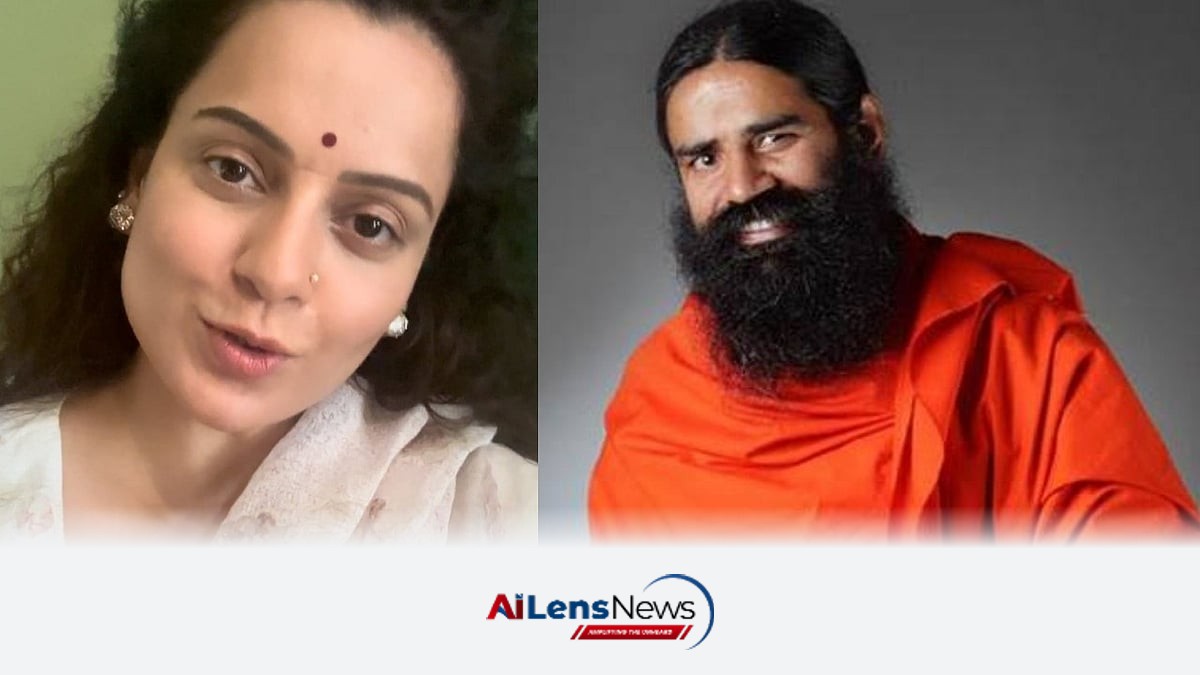



Kangana Ranaut fiercely responds to Baba Ramdev's comments about her youth, criticizing his business ventures and questioning his credibility.
New Delhi, India Aug 28, 2026 ALN: In a recent exchange that has stirred considerable attention in both the entertainment and spiritual circles, actor-politician Kangana Ranaut has taken a strong stand against Baba Ramdev, a prominent yoga guru and businessman. The confrontation arose following Ramdev's comments regarding Ranaut's past, which she characterized as intrusive and misguided. This incident highlights the ongoing tensions between public figures in India, particularly those straddling the lines of spirituality, commerce, and celebrity culture.
Baba Ramdev, known for his extensive influence in the realm of yoga and Ayurveda, has also built a significant business empire through his company Patanjali Ayurved. The company has ventured into various sectors, including food products, personal care items, and even apparel. Ramdev's foray into the clothing industry, particularly with Patanjali Paridhan, has drawn scrutiny and criticism, especially from those who question the authenticity of his spiritual persona in the face of commercial endeavors.
Kangana Ranaut's rebuttal to Ramdev's remarks was not only a defense of her personal life but also a critique of what she perceives as the commercialization of spirituality. In an interview with DD News, she expressed disbelief at Ramdev's claims about her youth, using sharp satire to question how he could have insight into her life. Her comments reflect a broader concern among some segments of society regarding the intersection of spirituality and capitalism, particularly when figures like Ramdev, who position themselves as spiritual leaders, engage in business practices that some view as hypocritical.
Ranaut's remarks about Ramdev's clothing line, specifically targeting the branding of "Sanatani vest" and "Ayurvedic vest," further emphasize her point about the perceived hypocrisy in his actions. By labeling Ramdev's commercial ventures as a form of corporate commercialization disguised as spirituality, she raises questions about the integrity of spiritual leaders who profit from their public personas. This critique resonates with a growing sentiment among individuals who feel that the commercialization of spirituality undermines its authenticity and moral foundation.
Moreover, Ranaut's commentary on the legal issues surrounding Ramdev's business practices adds another layer to the discourse. She referenced the Supreme Court's reprimands regarding misleading claims made by Ramdev's company, which have sparked debates about consumer rights and ethical marketing in India. The legal challenges faced by Patanjali have led to increased scrutiny of its products and marketing strategies, raising concerns about the implications for consumers who may be misled by exaggerated health claims.
Despite the nature of her criticism, Ranaut concluded her remarks with an unexpected note of optimism regarding her future relationship with Ramdev. Her statement suggested a belief in reconciliation and mutual understanding, indicating that she envisions a scenario where both parties could find common ground. This perspective may reflect a broader trend in public discourse, where figures from opposing sides seek pathways to dialogue rather than further conflict.
The absence of an official response from Ramdev or representatives of Patanjali following Ranaut's statements is noteworthy. It raises questions about how public figures navigate controversies and whether they choose to engage with criticisms directly or allow them to dissipate over time. The silence from Ramdev's camp could be interpreted in various ways, from a strategic choice to avoid escalating the situation to a potential acknowledgment of the validity of some criticisms.
As the conversation surrounding spirituality, commerce, and personal integrity continues to evolve in India, this incident serves as a reminder of the complexities involved in public life. The interplay between celebrity culture and spiritual leadership is an ongoing narrative, one that invites both scrutiny and discussion. As figures like Kangana Ranaut and Baba Ramdev navigate their respective paths, their interactions may reflect broader societal trends and values, particularly regarding authenticity, commercialization, and the roles of public figures in shaping cultural discourse.
This incident not only highlights the personal dynamics between Ranaut and Ramdev but also opens up a wider dialogue about the responsibilities of public figures in maintaining authenticity in their personal and professional lives. As society grapples with these issues, the implications for both the entertainment industry and the spiritual community could be profound, influencing how future interactions are perceived and how individuals engage with the complex tapestry of modern Indian identity.
To learn more about the latest developments in Celebrities & Influencers, stay updated with our exclusive reports and analyses on AILensNews.

Kangana Ranaut shared touching moments from her Raksha Bandhan celebration with …

On Raksha Bandhan, Riddhima Kapoor Sahni shared a nostalgic childhood photo with…

Stella Parton reveals Dolly's selfless decision to participate in experimental c…

Kylie Jenner shares her journey to becoming a Knicks fan, discussing her courtsi…

Dolly Parton's legacy extends beyond her music; her flamboyant fashion choices h…