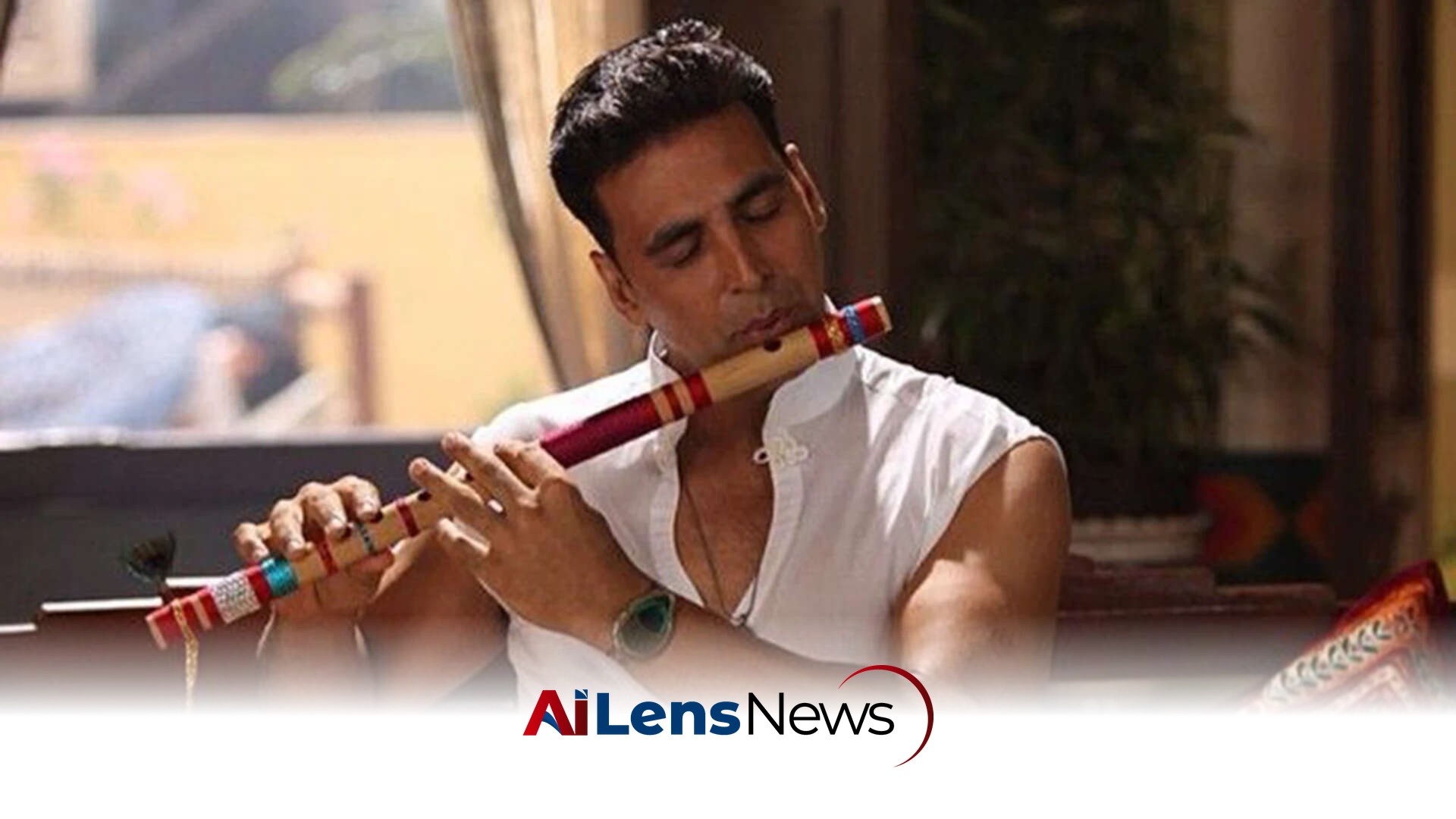


Producer Ashwin Varde refutes Paresh Rawal's claims about story credit for 'OMG 2', asserting that Rawal attempted to create a film without Akshay Kumar.
New Delhi, India Jul 17, 2026 ALN: In a recent statement, producer Ashwin Varde addressed the allegations made by actor Paresh Rawal regarding the story credit for the film OMG 2. Varde firmly denied Rawal's claims, asserting that the actor had attempted to create a film without the involvement of Akshay Kumar, who is a significant part of the project. This public dispute has drawn attention not only to the film but also to the often contentious dynamics of film production and credit allocation.
The film OMG 2 is a sequel to the 2012 hit film OMG – Oh My God!, which was itself inspired by a Gujarati play. The original film, starring Akshay Kumar and Paresh Rawal, tackled themes of faith, religion, and spirituality while critiquing the commercialization of religion. It was well-received by audiences and critics alike, leading to significant discussions around its themes and messages. Given the success of the first installment, expectations for the sequel have been high, and the involvement of established actors like Kumar and Rawal has further amplified interest.
Varde elaborated on the situation, explaining that the script for OMG 2 was developed by writer Amit Rai after receiving encouragement from Rawal himself. This clarification aims to shed light on the creative process behind the film and the contributions made by various individuals involved. The writing of a film script is often a collaborative endeavor, and it is not uncommon for multiple parties to contribute ideas and feedback throughout the process. In this case, Varde's comments suggest that Rawal's initial support for the script's development was a crucial part of bringing the project to fruition.
Furthermore, Varde emphasized that Rawal was offered an acting role in the film and was compensated according to the contractual agreements in place. He reiterated that there was no intention to cheat Rawal out of his rightful recognition in the project. This aspect of the controversy highlights the importance of clear contractual agreements in the film industry, where misunderstandings can arise about roles, credits, and financial compensation. Such disputes are not unique to this situation; they occur frequently in the industry, often leading to public disagreements and legal battles.
This controversy highlights the complexities often involved in film production, particularly regarding credits and creative contributions. In many cases, the public may not be aware of the intricate negotiations and discussions that take place behind the scenes. Varde's response aims to set the record straight and reaffirm the collaborative nature of filmmaking. It serves as a reminder that films are the result of teamwork, involving writers, producers, directors, actors, and many others who contribute their skills and talents.
The implications of such disputes can extend beyond the individuals directly involved. Public controversies can affect a film's reception and its box office performance. Fans and audiences often take sides based on their perceptions of the situation, which can influence their willingness to support a film. In this case, as discussions around OMG 2 continue, it remains essential for all parties involved to communicate openly to avoid misunderstandings and ensure that everyone receives their due recognition.
The film industry, particularly in , has a rich history of storytelling that often reflects societal issues. The original OMG film sparked conversations about the intersection of faith and commerce, and its sequel is expected to continue this dialogue. As the production of OMG 2 progresses, the creative choices made by the team will be scrutinized not just for their value but also for their cultural significance.
Moreover, the role of social media in amplifying such controversies cannot be understated. In today’s digital age, news travels fast, and public figures often find themselves at the center of discussions on platforms like Twitter, Instagram, and Facebook. This can lead to rapid shifts in public opinion and can even influence the marketing strategies employed by film studios. As Varde and Rawal navigate this situation, their responses will likely be closely monitored by fans and media alike.
In summary, the ongoing dialogue surrounding OMG 2 and the allegations made by Paresh Rawal against Ashwin Varde reflect broader themes in the film industry, including the importance of collaboration, the complexity of creative credits, and the impact of public perception. As the film approaches its release, the resolution of this dispute will be crucial in shaping its narrative, both on and off the screen. The hope is that all parties can come to a mutual understanding that respects the contributions of each individual while allowing the film to fulfill its potential in addressing relevant societal issues.
Understanding the implications of this controversy also requires a closer look at the broader context of the n film industry. The industry is known for its vibrant storytelling, with a history that dates back over a century. Films often serve as a reflection of cultural values, social issues, and the evolving landscape of n society. The original OMG film, in particular, resonated with audiences due to its bold approach to discussing sensitive topics like religious beliefs and the commercialization of faith.
The sequel, OMG 2, aims to build on that legacy while introducing new themes and narratives that reflect contemporary societal challenges. As with any sequel, there is a delicate balance to maintain—honoring the essence of the original while bringing fresh perspectives to engage both new and returning audiences. This balance is often influenced by the creative dynamics among the cast and crew, making the resolution of disputes like the one between Varde and Rawal even more critical.
In addition to the creative aspects, the financial implications of film production cannot be overlooked. The n film industry is a multi-billion dollar enterprise, with significant investments made in production, marketing, and distribution. The success of a film can hinge on various factors, including star power, story quality, and audience reception. Disputes over credits or creative differences can potentially jeopardize these investments, leading to financial losses not only for the producers but also for the actors and crew involved.
Furthermore, the dynamics of collaboration in the film industry are often influenced by the hierarchical structure that exists within production companies. Producers, directors, and writers typically play distinct roles, and the allocation of credit can some lead to friction among these parties. This is particularly true in a high-stakes environment where reputation and future opportunities are at risk. Varde's statements attempt to clarify the roles and contributions of individuals involved in OMG 2, but such clarifications are often complicated by the subjective nature of creative work.
As the release date of OMG 2 approaches, the public's interest in the film is likely to remain high, fueled by the ongoing discourse surrounding the allegations. The film's marketing strategy may also be adjusted in light of the controversy, as producers often seek to leverage public interest—both positive and negative—to generate buzz. This can lead to a complex interplay between the film's narrative, the public's perception of its creators, and the overall marketing approach.
In conclusion, the situation surrounding OMG 2 serves as a microcosm of the larger issues faced by the film industry, including the challenges of collaboration, the complexities of credit allocation, and the impact of public perception on artistic endeavors. As Varde and Rawal navigate their differences, the resolution of this dispute will not only influence the film's trajectory but may also serve as a case study for future projects within the industry. The hope remains that this situation can lead to a greater understanding of the collaborative nature of filmmaking and the importance of recognizing the contributions of all involved.
To learn more about the latest developments in Movies, stay updated with our exclusive reports and analyses on AiLensNews.

