

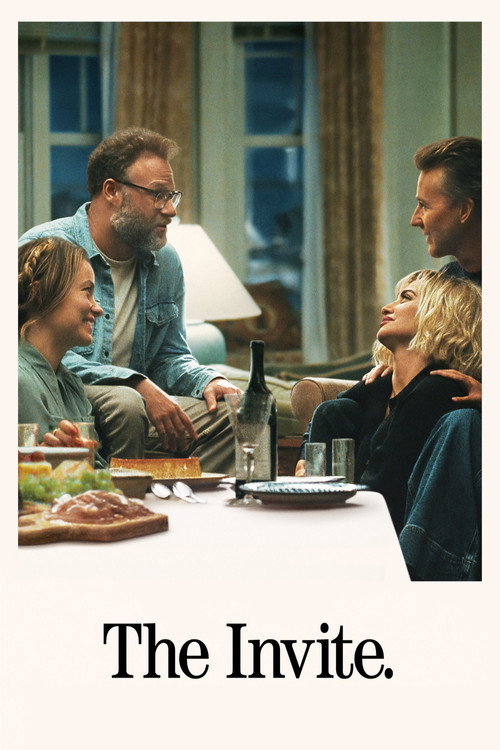








In 'The Invite', Olivia Wilde crafts a sharp, incisive comedy that delves into the complexities of marital relationships. The film centers on Joe and Angela, a couple whose seemingly mundane dinner party with their enigmatic upstairs neighbors spirals into a turbulent night of confrontations, revelations, and self-exploration. Wilde's direction is refreshingly honest, juxtaposing moments of levity with genuine emotional stakes, making the audience feel as if they are eavesdropping on a very personal unraveling.
The performances are particularly noteworthy, creating a vibrant tapestry of contrasting personalities. Seth Rogen brings a calm yet comedic presence as Joe, embodying both the subtle desperation and reluctance to confront the crumbling state of his marriage. In contrast, Penélope Cruz as the mysterious neighbor provides an alluring tension, embodying the chaos that can disrupt the comfort of the familiar. Edward Norton’s role as the other neighbor complexifies the narrative, adding layers of intrigue and sparking conversations that peel back the layers of each character's motivations.
What particularly stands out is the film's exploration of how intimacy can quickly shift to discomfort. The dinner scene, pivotal in both tone and pacing, serves as a microcosm of Joe and Angela's relationship. It shifts from light-hearted banter to an uncomfortable debate on fidelity and trust, with each dish revealing deeper truths. Wilde utilizes pacing effectively, allowing the tension to build naturally and dramatically with each course, as if the meal itself orchestrates the emotional unearthing.
However, despite its clever dialogue and stellar performances, the film sometimes struggles with tonal consistency. While the comedic moments often land, there are instances where the jokes risk overshadowing the deeper emotional crises at stake. In an effort to maintain a comedic rhythm, moments of genuine heartbreak may get lost. This occasionally creates a disjointed experience where the audience is unsure whether to laugh or reflect, leading to a tonal imbalance that could have been navigated more adeptly.
The cinematography also deserves mention. The intimate close-ups of the cast during pivotal exchanges invite us into their emotional states, enhancing the film's exploration of love and betrayal. The visual storytelling complements the narrative, using shadows and lighting to symbolize the lurking darkness of unspoken issues. Yet, the film does not push these visual motifs as far as they could go. Some scenes seem almost too polished, lacking the rawness the narrative often hints at.
The soundtrack, while fitting, is somewhat conventional, leaning on popular tracks that evoke nostalgia but don’t necessarily challenge the viewer's expectations. This could have been an area for greater creativity, underscoring the emotional currents rather than following the expected trends. A more unique score might have elevated the tension even further.
Despite these reservations, 'The Invite' shines as a modern relationship comedy that is laced with honesty and dark humor. Its incisive look at the dynamics of love and marriage, especially in moments of crisis, allows it to resonate deeply with audiences navigating similar waters. As weddings and relationships become fraught with issues of fidelity and trust, this film captures the essence of that struggle beautifully—highlighting how easily love can turn into a battleground. Wilde has crafted a film that is both entertaining and thought-provoking, making it a commendable addition to contemporary cinema. It's a film that compels the audience to reflect on their own relationships, striking a balance that repays the investment of time spent watching.
In conclusion, while 'The Invite' has its hiccups, it manages to engage and entertain, showcasing Wilde’s knack for revealing uncomfortable truths dressed in humor. It might not be flawless, but it articulates something deeply familiar, making it a worthwhile viewing experience.