

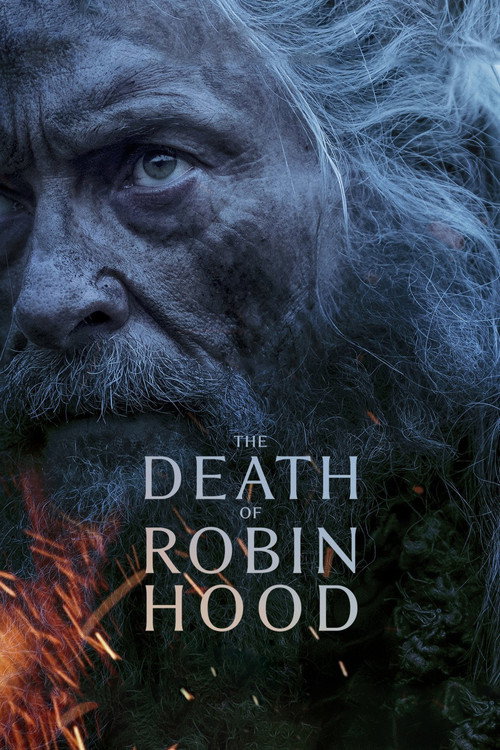


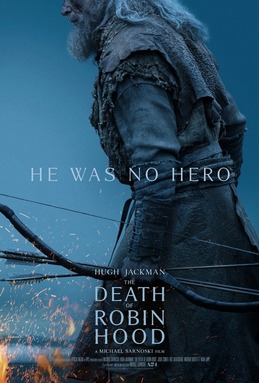




In 'The Death of Robin Hood,' the narrative takes a sharp departure from traditional tellings of the legendary outlaw, opting instead for a dark, introspective lens that dissects the psychological toll of a life steeped in crime and betrayal. Hugh Jackman's portrayal of Robin Hood is both compelling and profound, imbuing the character with a sense of vulnerability that brings the audience closer to understanding his tortured soul. The film opens with a raw depiction of Robin's last battle, an event that leaves him gravely injured and grappling with the consequences of his violent past. The weight of his choices hangs heavy over the narrative, a deliberate choice that sets the film apart from more romanticized stagings of his adventures.
Director [insert name] masterfully captures this somber tone with an atmospheric approach. The cinematography is striking, using shadow and light to reflect Robin's internal struggle. However, while the visuals contribute to the film's depth, they also underscore its languid pacing. The story unfolds at a deliberate tempo that might test the patience of some viewers. There are moments when the introspection seems to stretch a bit too long, causing the narrative to lose momentum and risking disconnection from the audience. It’s a creative risk that brings the viewer closer to Robin’s torment, but it may leave some feeling unfulfilled by the film’s eventual resolution.
The introduction of a mysterious woman who offers Robin a chance at redemption is an intriguing plot device, allowing the film to explore themes of forgiveness and salvation. Their interactions are layered, revealing not just Robin’s psyche but also challenging the viewer’s perceptions of heroism. Jackman and his co-star display a palpable chemistry that breathes life into scenes that could otherwise feel stilted by the film's heavy subject matter. However, this emotional connection is sometimes undermined by a dialogue that feels overly dramatic, bordering on melodrama, which detracts from the gravity of their plight.
Another strength of the film lies in its willingness to explore the darker aspects of its folklore. This isn't just a story of robbing from the rich to give to the poor; it delves into the moral ambiguities of Robin's actions, examining the costs of his decisions on both personal and societal levels. The film invites viewers to question the nature of heroism and the price one pays to uphold an image. Yet, this exploration, while ambitious, can occasionally come off as heavy-handed, where nuance takes a backseat to somber musings, leaving some audience members feeling that the film is more an exercise in bleakness than a true reworking of an iconic legend.
While 'The Death of Robin Hood' exhibits strong craftsmanship and a compelling central performance, its slow pacing and intense focus on despair could polarize audiences. Some will likely appreciate its deeper examination of the Robin Hood mythos, while others may crave more action and levity. The uneven pacing has the potential to alienate more casual viewers, making this a film that may resonate strongly with dedicated fans of character-driven drama but leave others feeling a lack of satisfying payoff.
In a cinematic landscape ripe with adaptations of classic tales, this film stands out for its willingness to reimagine a hero often cloaked in glorified righteousness. Though it may stumble under the weight of its own ambitions, Jackman's performance and the film’s intent to grapple with profound themes ensure that 'The Death of Robin Hood' is a memorable, if divisive, exploration of a timeless character.
Overall, while some will find depth in its grim conclusions, the film may ultimately resonate best with those who prefer their legends steeped in the murky waters of human morality rather than simple heroics.