

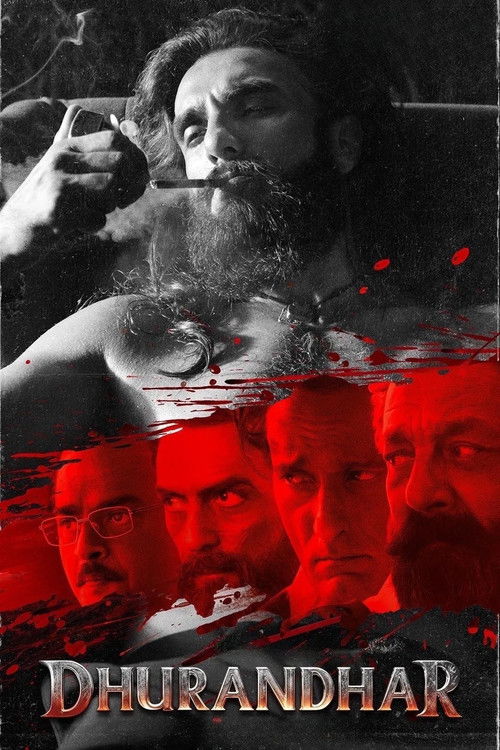



Dhurandhar sets out to weave a complex narrative of power and betrayal within the underbelly of Karachi, as we follow a mysterious traveler whose rise through the criminal ranks flirts with the supernatural elements of intrigue and violence. The film, clocking in at a hefty 214 minutes, showcases impressive craftsmanship that mirrors the scale of its ambition, yet it often struggles under its own weight. The performances, particularly from Ranveer Singh and Akshaye Khanna, are commendable and serve as a strong anchor amidst the chaos of the script.
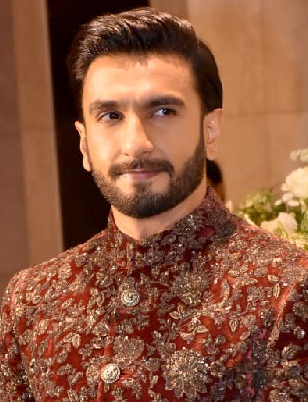
Ranveer Singh breathes life into his character with a nuanced portrayal that captures both the charm and ruthlessness of a man operating in the shadows. His transformation throughout the film—from an outsider to a significant player within Karachi's underworld—is compelling, though predictably marred by an occasionally cliché script. Akshaye Khanna, as a seasoned player entwined in the ISI-underworld nexus, delivers a layered performance that contrasts Singh's youthful ferocity with a more calculated approach. Their dynamic is one of the film's highlights, offering a glimpse into the psychological games rooted in trust and betrayal.
Visually, Dhurandhar is striking. The cinematography effectively captures the vibrant yet gritty essence of Karachi, while the editing, although often disjointed, attempts to maintain pace amidst the dense narrative. Certain fight sequences are choreographed with a sense of precision that pushes the boundaries of realism. However, the admiration for the craft begins to wane when the film fails to leverage this visual appeal consistently; prolonged scenes of violence can feel gratuitous rather than necessary to the storyline, raising questions about the film's broader intentions.
Furthermore, the narrative grapples with uneven storytelling. While some plot points resonate with depth and complexity, others veer into heavy-handed territory, blurring the line between artistic expression and propagandistic undertones. The film frequently provides social commentary on the intricate relationships between power and crime in a post-colonial context, but it does so through a lens that can appear overly simplistic or forced at times, diluting the intended impact.
The runtime itself is problematic; at over three and a half hours, the ongoing exposition and repeated motifs create a sense of fatigue. Crucial character development often gets buried in the film's pacing missteps, resulting in moments that should feel emotionally cathartic but instead land flat. The climax, while dramatic, doesn't quite feel earned due to the sluggish lead-up. By the time the film reaches its explosive finale, viewers may find themselves wondering if the journey was worth the lengthy trek.
Despite these flaws, the film garners significant attention for its ambition and the star power attached to it. For a narrative that delves into the underbelly of a city rife with contradictions, it manages to provoke discussions that linger in the minds of its viewers. The allure of Singh and Khanna throughout the film catalyzes enough intrigue to keep audiences engaged, even when the plot stumbles.
Dhurandhar may not be a flawless execution of its grand ideas, but its willingness to tackle weighty topics from multiple angles deserves a nod. The ability to captivate audiences while pushing against thematic boundaries, despite missteps in craft and pacing, showcases a creative risk that Bollywood sometimes shies away from. In balancing both entertainment and social critique, it offers a memorable viewing experience, albeit one that demands patience and an appreciation for ambition.
In summary, the film revels in the dual nature of its storytelling—both enlightening and unsettling—but ultimately suffers from an excess of ambition that leads to its uneven delivery. Whether or not its heavy themes resonate with broader audiences will likely dictate the film's lasting impact in the years to come.