

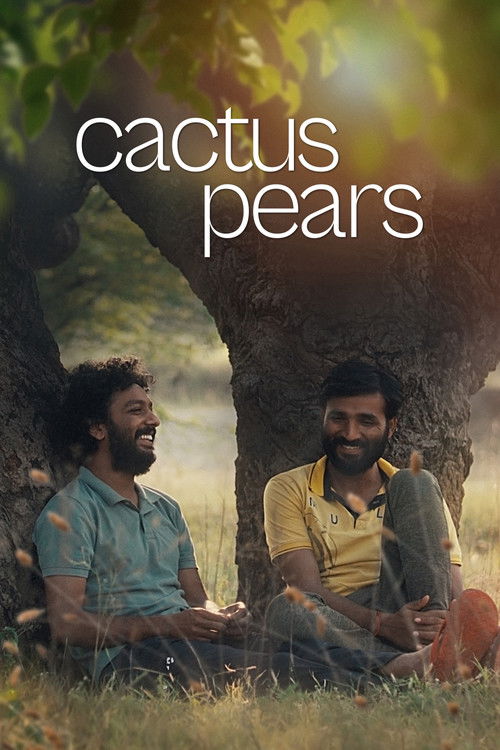



In 'Cactus Pears,' Rohan Kanawade delivers a poignant exploration of grief through the lens of a blossoming queer romance. The film tells the story of Anand, a thirty-something city dweller thrust into a ten-day mourning period for his late father in the rugged countryside of western India. This setup lays the groundwork for a moving exploration of love and loss, creating fertile ground for Anand’s unexpected bond with a local farmer battling his own struggles against societal expectations. The film excels in its tenderness, artfully portraying the complexities of grief while threading a delicate narrative of burgeoning intimacy.
Anand's journey unfolds slowly, allowing the audience to breathe alongside him as he navigates both his mourning and his evolving relationship with the farmer. The chemistry between the leads is palpable, but what’s truly impressive is how Kanawade captures the subtleties of their connection without resorting to overt melodrama. Instead, there’s a refreshing restraint in their interactions—each glance, each shared moment feels carefully crafted, allowing the characters to develop in realistic and relatable ways.
The naturalistic performances are the heart of 'Cactus Pears.' Anand's portrayal of a man caught between duty and desire is deeply resonant. His internal struggle is masterfully rendered by the actor, who navigates the spectrum of emotions—from sorrow to newfound joy—without feeling forced. The farmer, equally well-characterized, offers a counterpoint to Anand's character, embodying the tension between personal longing and societal obligations. Their relationship, born under the weight of grief, becomes a sanctuary—a reflection of how human connections can arise even in the most unexpected circumstances.
Visually, 'Cactus Pears' is striking without being ostentatious. The rural landscape of western India is rendered with clarity and warmth, almost acting as a character in its own right. The cinematography captures the tranquil beauty of the countryside, juxtaposing it with the internal turmoil of its characters. However, while the film’s aesthetic choices contribute to its emotional depth, there are moments when the pacing feels languid. The deliberate tempo may frustrate some viewers looking for a more conventional narrative rhythm. This slow-burn approach serves to emphasize the meditative quality of grief, yet it risks losing the engagement of those with a preference for faster storytelling.
Musically, the score complements the film's themes, enhancing key moments without overshadowing the beautifully understated dialogue. The sound design also immerses the audience in the rural setting; the rustling leaves and distant animal sounds create an authentic atmosphere that draws viewers closer to Anand's experience.
Despite its many strengths, 'Cactus Pears' grapples with some narrative unevenness. While the film excels in its portrayal of nuanced character dynamics, certain plot points can feel underdeveloped, as if they were glossed over in favor of exploring the emotional states of the protagonists. Some audience members might be left wanting more insight into the complexities of the farmer’s world, especially as his character grapples with the tension between his identity and societal pressure.
Ultimately, 'Cactus Pears' is a daring and intimate exploration of how vulnerability can manifest into unexpected love in the face of loss. Its sensitive handling of queer themes set in a rural Indian context adds layers of depth that resonate on multiple levels, challenging the conventions of both its genres and the expectations of its audience. Not every viewer will appreciate the film's pensive pacing or its lack of explicit confrontation, yet those who invest their time will find a rewarding exploration of the human heart. It is, above all, a film that celebrates the potential for healing connection amid life's inevitable farewells.