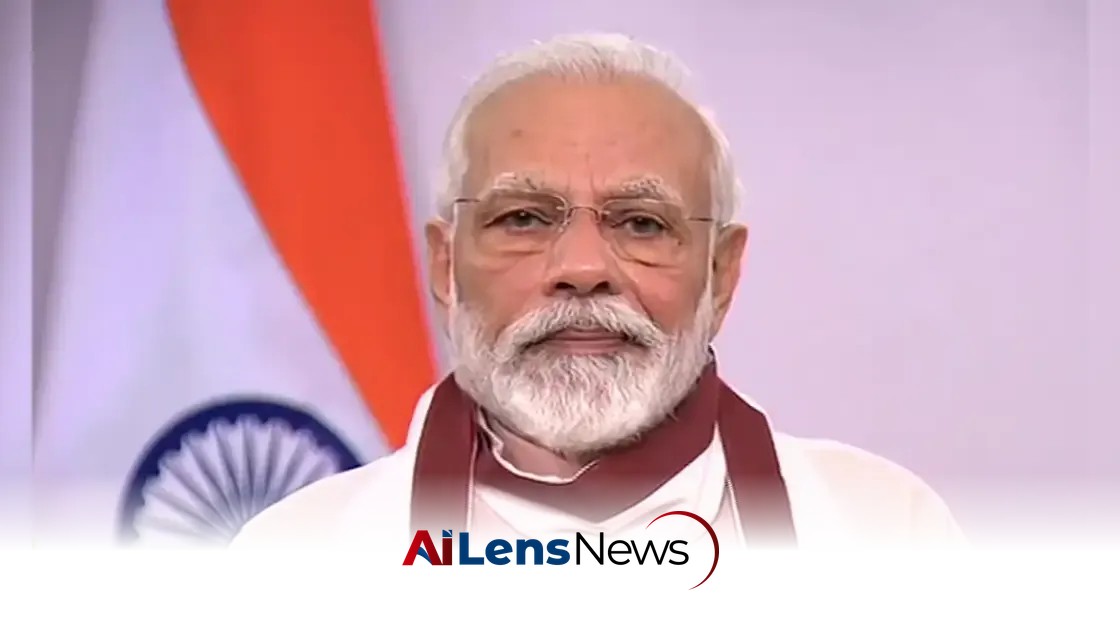


In response to the recent NEET exam paper leaks, Prime Minister Modi has pledged to implement stricter actions to safeguard the integrity of the examination process.
Abu Dhabi, United Arab Emirates Jul 24, 2026 ALN: In a recent address, Indian Prime Minister Narendra Modi acknowledged the distress caused by the recent leaks of the National Eligibility cum Entrance Test (NEET) exam papers. He expressed his commitment to taking decisive action against those responsible for these breaches, which have caused significant anxiety among students and their families. The NEET exam is a critical gateway for aspiring medical students in India, and any disruption to its integrity has far-reaching implications for the educational landscape in the country.
Modi stated, "I understand that such incidents are a great pain for students and parents alike. We must ensure that the integrity of our examination system is upheld at all costs." His remarks come in the wake of widespread protests from students who are demanding accountability and transparency in the examination process. The NEET exam, conducted annually, is pivotal for admission into medical colleges, making it essential for students to have confidence in its fairness and reliability.
The NEET exam, which is crucial for aspiring medical students in India, has faced scrutiny due to allegations of paper leaks in recent years. These incidents have raised concerns about the fairness of the examination and the future of countless students who rely on it for their careers. The first NEET exam was held in 2013, and since then, it has become a standardized test for medical aspirants across the nation. However, with the increasing competitiveness of medical admissions, the stakes have never been higher, leading to desperate measures by some individuals.
In the past, there have been multiple instances where exam papers were leaked, leading to widespread allegations of cheating and favoritism. Such incidents not only compromise the integrity of the examination but also tarnish the reputation of educational institutions and the government. The recurring nature of these leaks has prompted calls for reforms and stricter oversight of the examination process.
One notable incident occurred in 2017 when a significant NEET paper leak case led to the arrest of several individuals, including teachers and coaching center operators, who were accused of orchestrating a scheme to help students cheat. This incident highlighted the vulnerabilities in the examination system and raised questions about the measures in place to protect the integrity of the exams. The fallout from such leaks has led to increased scrutiny from both the public and the media, as well as demands for systemic changes.
In light of these issues, the government is reportedly working on a comprehensive strategy to address the problem. This includes stricter regulations and enhanced security measures during the examination process to prevent any future leaks. The Ministry of Education is expected to collaborate with various stakeholders, including educational experts, law enforcement agencies, and student organizations, to devise a robust framework that can effectively combat examination malpractices.
Some of the measures being considered include the use of advanced technology for monitoring exam centers, biometric verification of candidates, and stringent penalties for those found guilty of involvement in leaks. The government is also contemplating the establishment of a dedicated task force to investigate and address incidents of exam paper leaks swiftly. These proposed measures aim to create a more secure and reliable examination environment, thereby restoring faith in the system.
Students across the country have taken to the streets to voice their frustration over the recurring issue of exam paper leaks. Many are calling for immediate reforms and a transparent investigation into the recent incidents. The protests have garnered significant media attention, prompting the government to take action. Demonstrations have been held in various cities, with students holding placards demanding justice and accountability.
The protests have highlighted the emotional toll that these leaks have taken on students, many of whom have invested years of hard work and preparation for the NEET exam. The fear of an unfair examination process has led to a sense of helplessness among students, which has fueled their determination to seek change. Their collective voice has become a powerful catalyst for dialogue between the government and the student community.
As students gather in large numbers, their demands echo a broader sentiment that goes beyond individual grievances; they are calling for systemic reform within the educational framework. The protests are not just a reaction to the leaks but also reflect a growing discontent with the pressures and expectations placed on students in a highly competitive environment. Students are urging the government to take their concerns seriously and to implement measures that will safeguard their futures.
While specific details about the proposed measures have yet to be disclosed, Modi's commitment to addressing the issue has been met with cautious optimism from the student community. Many hope that these actions will restore faith in the examination system and ensure a level playing field for all candidates. The Prime Minister's acknowledgment of the pain caused by these leaks is seen as a step in the right direction, but students are eager for concrete actions to follow.
As the situation develops, students and parents alike are eagerly awaiting further announcements from the Prime Minister and the education ministry regarding the steps that will be taken to prevent future occurrences of such distressing incidents. The government is under pressure to act swiftly and effectively to mitigate the damage caused by these leaks and to reassure the public that the integrity of the NEET exam will be upheld.
In conclusion, the Prime Minister's acknowledgment of the pain caused by these leaks and his promise of stricter actions signal a potential turning point in the fight against corruption in the examination process. The commitment to reform and uphold the integrity of the NEET exam is not just a matter of restoring trust among students but is also crucial for the future of medical education in India. As the government prepares to implement new measures, the hope is that these will lead to a more transparent and fair examination system, allowing deserving candidates to pursue their dreams in the medical field without the shadow of doubt hanging over them.
The implications of these developments are significant, not only for the students currently preparing for the NEET exam but also for the broader educational landscape in India. A strong and transparent examination system is essential for maintaining the quality of medical education and ensuring that future healthcare professionals are well-equipped to meet the demands of the industry. The government's actions in the coming weeks will be closely monitored, and the outcome of this situation could set a precedent for how examination integrity is handled in the future.
To learn more about the latest developments in Education News, stay updated with our exclusive reports and analyses on AiLensNews.

