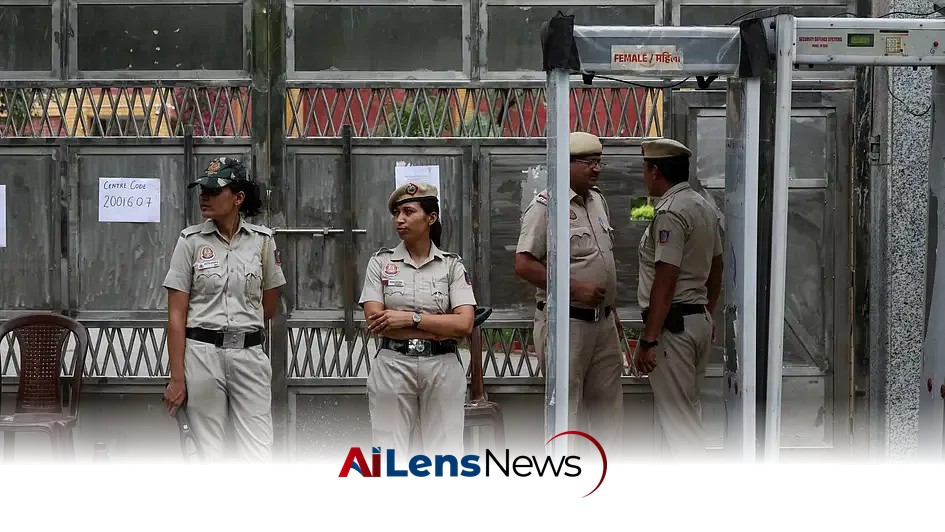


The National Testing Agency has issued a warning regarding the submission of fake OMR sheets for the NEET exam, following complaints from students about errors.
Abu Dhabi, United Arab Emirates Jul 20, 2026 ALN: The National Testing Agency (NTA) has recently raised alarms over the submission of fake OMR sheets in the National Eligibility cum Entrance Test (NEET) following numerous complaints from students regarding discrepancies in their answer sheets. The agency has emphasized the importance of submitting only original OMR sheets, as any fraudulent submissions could lead to serious legal consequences.
In light of the increasing reports from students claiming errors in their NEET OMR sheets, the NTA has taken a proactive stance. The agency has stated that any OMR sheets that are found to be fake or generated through artificial intelligence will not only be rejected but may also result in legal action against the individuals involved. This measure is part of a broader initiative to ensure the integrity and fairness of the examination process, as NEET is a critical gateway for students aspiring to enter medical and dental colleges across India.
The NEET examination, which is conducted annually, serves as the sole entrance test for undergraduate medical courses in India. Given the high stakes involved, the pressure on students can be immense, leading some to consider unethical means to secure better outcomes. The NTA's vigilance against fraudulent practices underscores the importance of maintaining a fair testing environment where all candidates are evaluated on equal footing.
To mitigate the risks associated with submitting fake documents, the NTA has issued a clear advisory urging students and their parents to ensure that only original OMR sheets are submitted. This advisory aims to protect the integrity of the examination process and uphold the standards expected from candidates. The NTA has also recommended that students familiarize themselves with the features of legitimate OMR sheets and the submission process to avoid unintentional errors.
Furthermore, the advisory emphasizes the importance of verifying the authenticity of any third-party services that may offer to assist with exam preparations or submission processes. Students are encouraged to rely on official channels and resources provided by the NTA to avoid falling victim to scams or misinformation that could jeopardize their examination status.
The implications of submitting a fake OMR sheet are significant. Students found to have submitted fraudulent documents may face disqualification from the examination process and potential legal repercussions. The NTA's warning serves as a reminder of the seriousness of academic integrity and the importance of honesty in the examination process. Disqualification can lead to loss of valuable time and resources, as students may need to wait another year to attempt the examination, thereby delaying their academic and career aspirations.
In addition to the immediate consequences, a record of academic dishonesty can have long-term implications for a student’s educational and professional future. Medical colleges and universities often conduct background checks, and any indication of unethical behavior can tarnish a candidate’s reputation, potentially impacting their chances of admission or future employment in the healthcare sector.
NEET, which stands for the National Eligibility cum Entrance Test, was introduced in 2013 and has since become the primary examination for students seeking admission into medical and dental colleges in India. The test is designed to assess the knowledge and understanding of candidates in subjects such as Physics, Chemistry, and Biology, which are critical for success in medical studies. The exam has undergone several changes and faced various legal challenges, but it remains a vital component of the Indian education system, shaping the future of aspiring healthcare professionals.
The introduction of NEET aimed to standardize the admission process across the country, replacing multiple entrance examinations previously conducted by individual states and institutions. While the move was widely supported for its potential to reduce discrepancies and corruption in the admission process, it has also intensified competition among students, leading to increased pressure and stress. The NTA's commitment to ensuring a level playing field is crucial in this high-stakes environment.
As the NEET examination approaches, it is crucial for students to remain vigilant and ensure that all submissions are authentic. The NTA's commitment to maintaining the integrity of the examination process is paramount, and students are encouraged to adhere strictly to the guidelines provided. The agency's proactive measures to combat fraud are essential in fostering a culture of honesty and integrity in academic assessments.
Moreover, the NTA's actions may prompt discussions among educational stakeholders about the need for enhanced support systems for students. As the pressure to perform in high-stakes examinations continues to mount, it is essential for educational institutions, parents, and policymakers to collaborate in providing resources and guidance to help students navigate their academic journeys without resorting to unethical practices.
In conclusion, the NTA's recent warnings regarding the submission of fake OMR sheets highlight the ongoing challenges faced in maintaining the integrity of the NEET examination. By reinforcing the importance of authenticity and academic honesty, the agency aims to ensure that the examination remains a fair and reliable measure of a student's capabilities. As students prepare for this critical test, it is essential that they prioritize integrity and adhere to the guidelines set forth by the NTA, paving the way for a more equitable educational landscape in the future.
The NEET examination is not merely a test; it is a pivotal element in the academic journey of aspiring medical professionals in India. The examination serves as a standardized measure to evaluate the preparedness of candidates for the rigors of medical education. With thousands of students competing for a limited number of seats in prestigious medical and dental colleges, the stakes are high, and the pressure to perform can lead to desperate measures, including the temptation to submit false documents.
NEET's introduction aimed to eliminate the inconsistencies that arose from multiple entrance exams, which often led to confusion and unequal opportunities for students from different backgrounds. The single-exam format has streamlined the process, allowing for a more equitable assessment of candidates' abilities. However, the intense competition has also spurred some to seek shortcuts, prompting the NTA's recent crackdown on fraudulent practices.
Academic integrity is a foundational principle in education, particularly in fields such as medicine, where ethical considerations are paramount. The NTA's warning against the submission of fake OMR sheets is not just about maintaining the examination's integrity; it is also about instilling a sense of responsibility and honesty in students. Upholding academic integrity is essential for fostering a culture of trust and respect within the educational system, which ultimately benefits all stakeholders, including students, educators, and the healthcare community.
In a profession where lives are at stake, the implications of unethical behavior extend beyond the classroom. Medical practitioners are expected to adhere to high ethical standards, and any history of dishonesty can severely undermine a candidate's credibility. By encouraging students to embrace integrity, the NTA is contributing to the development of future healthcare professionals who are not only knowledgeable but also ethical in their practice.
As students gear up for the NEET examination, the NTA's warnings regarding the submission of fake OMR sheets serve as a critical reminder of the importance of authenticity and integrity in academic endeavors. The agency's commitment to maintaining a fair and transparent examination process is vital for the future of medical education in India. By adhering to the guidelines and prioritizing honesty, students can navigate their academic journeys with integrity, ensuring that their achievements are a true reflection of their capabilities and dedication.
To learn more about the latest developments in Education News, stay updated with our exclusive reports and analyses on AiLensNews.

