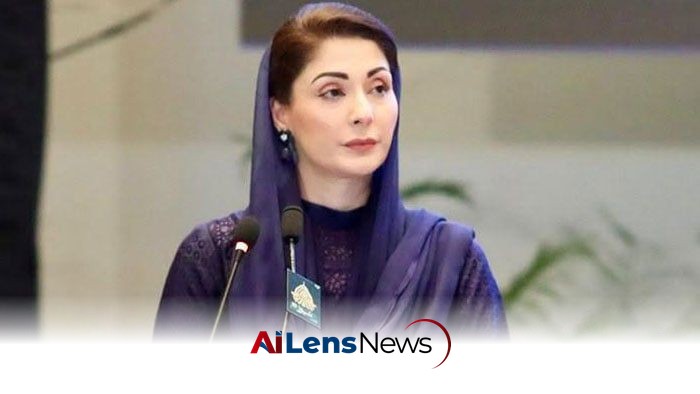


In a bid to enhance engagement in public schools, Punjab Chief Minister Maryam Nawaz mandates Education Minister Rana Sikandar Hayat to teach weekly classes.
Islamabad, Pakistan Jul 13, 2026 ALN: Punjab Chief Minister Maryam Nawaz has initiated a transformative approach to education by directing Provincial Education Minister Rana Sikandar Hayat to personally teach a class at a government school every week. This initiative is part of a broader strategy aimed at revitalizing the province’s education system and fostering a deeper engagement with public schools. By having policymakers step into the classroom, the government hopes to bridge the gap between educational policies and the realities faced by students and teachers.
The directive was issued during a crucial meeting that focused on reviewing ongoing education reforms across Punjab. Maryam Nawaz emphasized that regular interaction between policymakers and classrooms would not only help authorities better understand the challenges faced by students and teachers but also promote accountability within the education sector. This initiative reflects a growing recognition of the importance of grassroots engagement in policy-making, particularly in a sector as vital as education.
In addition to classroom engagement, the meeting also underscored the importance of expanding digital governance within the education sector. The chief minister instructed officials to conduct a thorough review of the existing digital registration system for private schools, aiming to enhance its efficiency and effectiveness. Furthermore, a comprehensive framework for the registration and monitoring of tuition centres across Punjab was proposed. This move is expected to establish a more regulated environment for private educational institutions, which have been under scrutiny for their impact on the public education system.
As part of this digital governance initiative, proposals for digitally mapping all tuition centres were also discussed. The goal is to create a complete and transparent database that can be accessed by parents and stakeholders, thereby increasing accountability and oversight in the private education sector. This shift towards digital governance is not only a response to the challenges of the current educational landscape but also aligns with global trends towards greater transparency and efficiency in public services.
During the meeting, officials reported that the government had successfully achieved its target of enrolling 4.3 million students in public schools over the past two years and four months. This initiative is hailed as a significant milestone in improving access to education, especially in a region where educational disparities have historically been prevalent. The surge in enrollment can be attributed to various outreach programs and community engagement efforts aimed at encouraging families to send their children to school.
Improving enrollment figures is critical for Punjab, where educational attainment levels have often lagged behind national averages. The government’s focus on increasing access to education is part of a larger strategy to promote social equity and economic development in the province. By ensuring that more children are enrolled in schools, the government aims to lay the groundwork for a more educated workforce in the future.
Maryam Nawaz also addressed the need for improved financial management within the education sector. She directed that salary payments for teachers working under the Punjab Education Foundation (PEF) be transitioned to digital banking channels. This move is expected to benefit approximately 138,000 teachers, providing them with bank accounts and ensuring that payments are made transparently and on time. The shift to digital banking is part of a broader effort to enhance financial accountability and efficiency within the education system.
By facilitating timely payments, the government aims to improve the financial stability of educators, which in turn may enhance their performance in the classroom. This initiative reflects a growing understanding of the importance of supporting teachers as key stakeholders in the education system. Ensuring that educators are compensated fairly and promptly is essential for maintaining morale and motivation among teaching staff.
The meeting also reviewed the progress made under the Punjab School Reforms Programme (PSRP). Maryam Nawaz called for a comprehensive plan to introduce sustainable and innovative revenue sources for the education sector. The need for financial sustainability in education has become increasingly urgent, especially in light of the challenges posed by economic fluctuations and budget constraints. The chief minister's focus on innovative revenue sources indicates a proactive approach to ensuring that educational reforms can be sustained over the long term.
Exploring new funding avenues could involve partnerships with the private sector, increased investment in educational technology, and community-based initiatives. By diversifying funding sources, the government aims to reduce its reliance on traditional funding models, which can be vulnerable to economic downturns. This strategic shift could also encourage more community involvement in local schools, fostering a sense of ownership and investment in educational outcomes.
In a separate but equally important directive, Maryam Nawaz instructed all relevant departments to remain on high alert as the monsoon season approaches. She ordered commissioners, deputy commissioners, and field officials to be fully prepared for emergencies, ensuring rapid drainage of rainwater, monitoring flood-prone areas, and keeping emergency services ready to respond. This proactive stance reflects the government's commitment to public safety and disaster preparedness, particularly in a region that is susceptible to seasonal flooding.
The government's preparedness plans are critical, especially in light of past experiences where inadequate responses to monsoon flooding have led to significant disruptions in daily life and damage to infrastructure. By prioritizing emergency readiness, the administration aims to mitigate the impact of natural disasters on communities and ensure that essential services remain operational during adverse weather conditions.
Overall, these initiatives by Chief Minister Maryam Nawaz signal a comprehensive approach to addressing the multifaceted challenges facing Punjab's education system while also ensuring public safety in the face of seasonal challenges. By focusing on classroom engagement, digital governance, financial management, and disaster preparedness, the government is taking significant steps toward creating a more resilient and effective educational landscape in Punjab.
To learn more about the latest developments in Education News, stay updated with our exclusive reports and analyses on AiLensNews.

