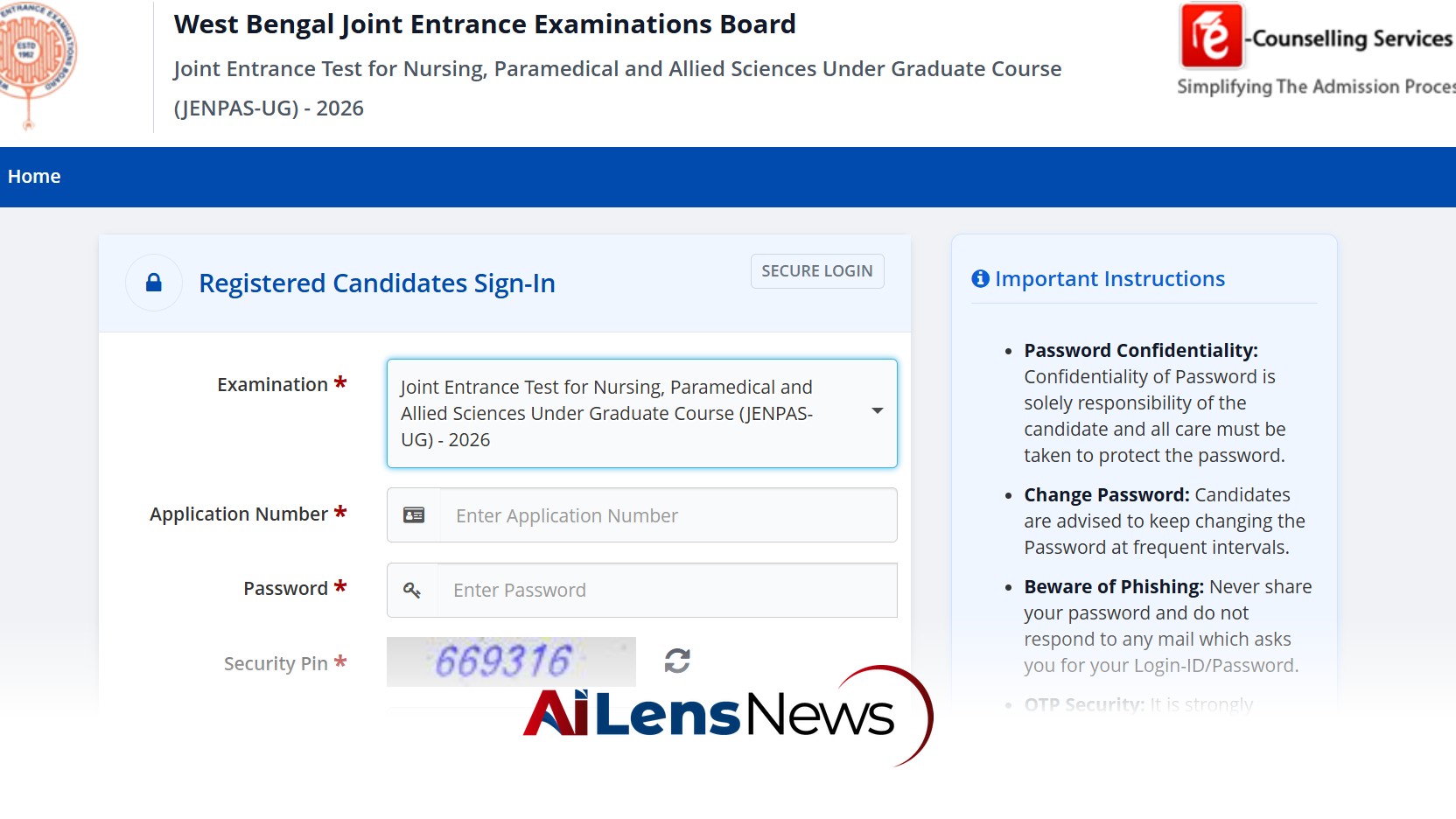


The WBJEEB has made OMR images and recorded responses available for JENPAS UG 2026 candidates, with a deadline for objections set for July 11.
New Delhi, India Jul 10, 2026 ALN: The West Bengal Joint Entrance Examinations Board (WBJEEB) has officially released the OMR (Optical Mark Recognition) images and recorded responses for candidates who participated in the JENPAS UG 2026 examination. This release is a crucial aspect of the evaluation process, as it allows candidates to verify their answers and ensures accuracy in the overall assessment of their performance. The JENPAS UG examination is a key entrance test for students aspiring to pursue undergraduate courses in nursing, paramedical, and allied health sciences in various institutions across West Bengal.
The availability of OMR images and response sheets is significant for several reasons. Firstly, it promotes transparency in the examination process, which is essential for building trust among candidates and stakeholders. By allowing candidates to review their performance prior to the announcement of final results, the WBJEEB aims to foster a sense of fairness and integrity in the examination system. This initiative reflects a growing trend among examination boards to adopt more transparent practices in the wake of rising concerns about examination malpractices and the need for accountability.
Candidates can access and download their OMR images and response sheets from the official WBJEEB portal. This user-friendly approach ensures that all candidates can easily retrieve their information. By logging into their respective accounts on the portal, candidates can view their responses to both Category-I and Category-II questions, which are the two types of questions featured in the JENPAS UG examination. Category-I questions typically consist of multiple-choice questions with a single correct answer, while Category-II questions may involve multiple correct answers or require candidates to select more than one option.
In addition to providing access to their recorded responses, the WBJEEB has also established a mechanism for candidates who may not be satisfied with their recorded answers. The board has provided an opportunity for candidates to raise objections regarding their responses. This is particularly important in ensuring that any discrepancies or errors in the evaluation process can be addressed. Candidates are allowed to submit their challenges until July 11, but they must pay a processing fee to facilitate this process. The fee is designed to cover the administrative costs associated with reviewing the objections and is a common practice in many examination boards to deter frivolous claims.
The structured approach to handling objections is a vital component of the examination process. It ensures that candidates have a fair chance to contest any perceived inaccuracies in their evaluations. The WBJEEB has outlined the procedure for submitting objections clearly, which includes the requirement for candidates to provide substantial evidence or justification for their claims. This systematic process not only helps in maintaining the integrity of the examination but also enhances the overall credibility of the WBJEEB.
Once the objection period closes, the WBJEEB will undertake a comprehensive review of all valid claims. This review process is critical, as it allows the board to make necessary adjustments before finalizing scores and ranks. By carefully evaluating each objection, the WBJEEB ensures that all candidates have a fair chance at achieving their desired outcomes in the JENPAS UG 2026 examination. The final scores and ranks are pivotal, as they determine admission into various undergraduate programs, which can significantly impact a candidate's future career prospects.
Furthermore, the implications of this examination extend beyond individual candidates. The JENPAS UG examination plays a crucial role in shaping the healthcare workforce in West Bengal. As the demand for healthcare professionals continues to rise, ensuring that candidates are fairly evaluated and admitted into relevant programs is essential for meeting the needs of the healthcare sector. The transparency and fairness in the examination process contribute to the overall quality of and training in healthcare, ultimately benefiting society as a whole.
In conclusion, the release of OMR images and response sheets by the WBJEEB is a significant step in the examination process for the JENPAS UG 2026. It provides candidates with the necessary tools to verify their answers and challenge any discrepancies they may encounter. This initiative not only enhances transparency and trust in the examination system but also reinforces the commitment of the WBJEEB to uphold fairness and integrity in the evaluation process. As candidates prepare for the next stages of their academic journey, the measures implemented by the WBJEEB will undoubtedly play a crucial role in shaping their future opportunities in the healthcare field.
The JENPAS UG examination is not just a test; it is a gateway for many students to enter prestigious nursing and paramedical programs that are critical to the healthcare system. The examination's structure, which includes both Category-I and Category-II questions, is designed to assess a wide range of knowledge and skills necessary for future healthcare professionals. By ensuring that the evaluation process is transparent and fair, the WBJEEB is helping to cultivate a generation of well-trained healthcare workers who can meet the growing demands of the sector.
Moreover, the WBJEEB's efforts in making the OMR images and response sheets available for review align with global trends in where transparency and accountability are becoming increasingly important. Many al institutions and examination boards worldwide are adopting similar measures to enhance trust and integrity in their processes. This shift towards transparency is particularly vital in examinations that can have significant implications for students' careers and lives.
The release of OMR sheets also serves as a reminder of the importance of preparation and understanding of the examination format. Candidates are encouraged to familiarize themselves with the types of questions they will face, as well as the evaluation criteria. The ability to review their answers allows them to reflect on their performance and identify areas for improvement, which is an essential part of the learning process.
In addition, the WBJEEB's initiative to allow candidates to raise objections is a crucial aspect of the al assessment landscape. By providing a formal channel for grievances, the board not only empowers students but also holds itself accountable. This process can contribute to the overall improvement of examination standards and practices, as feedback from candidates can lead to refinements in future examinations.
As the healthcare landscape evolves, particularly in light of recent global health challenges, the need for a robust and capable healthcare workforce is more pressing than ever. The JENPAS UG examination is a vital mechanism for ensuring that the next generation of healthcare professionals is equipped with the necessary skills and knowledge to address the challenges ahead. The steps taken by the WBJEEB to enhance transparency and fairness in the examination process are commendable and reflect a commitment to fostering excellence in healthcare .
Ultimately, the implications of the JENPAS UG examination extend far beyond the individual candidates. The outcomes of this examination will influence the composition of the healthcare workforce in West Bengal, which in turn can affect the quality of healthcare services available to the population. By ensuring that the selection process is fair and transparent, the WBJEEB is contributing to the long-term sustainability and effectiveness of the healthcare system in the region.
In summary, the release of OMR images and response sheets by the WBJEEB is a significant and positive development in the JENPAS UG 2026 examination process. It not only empowers candidates to verify their performance but also reinforces the principles of transparency and accountability that are essential in al assessments. As the candidates navigate their academic journeys, the integrity of the examination process will play a pivotal role in shaping their futures and, by extension, the future of healthcare in West Bengal.
To learn more about the latest developments in Entrance Exams, stay updated with our exclusive reports and analyses on AiLensNews.

