

The Punjab government has introduced an ordinance to cap school fee hikes at 5%, requiring schools to refund any excess fees charged previously.
New Delhi, India Jul 14, 2026 ALN: The Punjab government has enacted a new ordinance aimed at regulating school fees across the state. This legislation caps the annual increase in school fees at 5%, a move designed to alleviate the financial burden on parents and ensure affordable education for all. The decision comes amid rising concerns about the increasing costs of education, which many families have found increasingly challenging to manage.
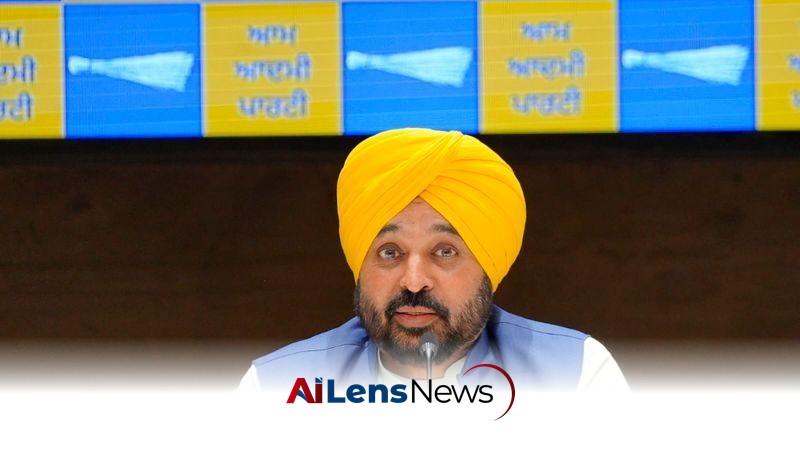
Chief Minister Bhagwant Mann announced the ordinance during a press conference, emphasizing the government's commitment to protecting the rights of students and their families. He stated that schools will be required to refund any excess fees that have been charged prior to the implementation of this ordinance. This refund policy aims to address grievances from parents who have been subjected to steep fee hikes in recent years, often without adequate justification.
This decision comes in response to growing concerns among parents regarding rising educational costs. Many families have expressed their struggles to keep up with increasing tuition fees, which have often exceeded inflation rates. The financial strain on families has been exacerbated by the economic challenges posed by the pandemic, leading to increased calls for government intervention in the education sector.
The Punjab government argues that education is a fundamental right and should be accessible to all, regardless of economic status. By capping fee increases, the administration aims to create a more equitable educational landscape. The government’s stance is that high fees can act as a barrier to education, particularly for lower and middle-income families, which can perpetuate cycles of poverty and limit social mobility.
Moreover, the Chief Minister highlighted that the ordinance is part of a broader initiative to enhance transparency and accountability within the education sector. The government plans to monitor compliance closely and take action against schools that violate the new regulations. This includes establishing a regulatory body tasked with overseeing fee structures and ensuring that schools adhere to the new guidelines.
Reactions to the ordinance have been mixed. While many parents have welcomed the move as a necessary step towards affordable education, some school administrators have expressed concerns about the financial implications for their institutions. School leaders argue that the cap on fee increases may limit their ability to invest in quality educational resources, hire qualified staff, and maintain facilities. They fear that without sufficient funding, the quality of education could decline, which would ultimately harm students.
Critics argue that the cap could hinder the ability of schools to maintain quality education and facilities, as they may struggle to cover operational costs with limited fee increases. Many private institutions rely heavily on tuition fees to sustain their operations, and a cap could lead to difficult decisions regarding staffing, resources, and infrastructure improvements.
Furthermore, some educators have raised concerns about the potential for unintended consequences. For instance, schools may resort to increasing other fees, such as for extracurricular activities or supplies, to compensate for the capped tuition increases. This could undermine the ordinance's goal of making education more affordable.
The ordinance is part of a broader trend in India, where various state governments have taken steps to regulate school fees in response to public outcry about rising education costs. In many regions, parents have mobilized to demand government intervention, citing the need for more equitable access to quality education. This movement reflects a growing recognition of education as a public good rather than a commodity solely driven by market forces.
As the Punjab government moves forward with its implementation of the ordinance, it will be crucial to balance the interests of parents, students, and educational institutions to ensure that quality education remains a priority. The government must engage in ongoing dialogue with stakeholders to assess the impact of the ordinance and make necessary adjustments. This could include exploring alternative funding models for schools, enhancing government funding for public education, and providing support for low-income families.
Additionally, the government may need to consider broader reforms in the education sector, such as improving public schools and enhancing teacher training programs, to ensure that all students receive a high-quality education, regardless of the type of institution they attend. The success of the fee cap ordinance will ultimately depend on the government's ability to address the underlying issues of educational funding and accessibility.
The Punjab government's ordinance to limit school fee hikes represents a significant shift in educational policy. As the state moves forward with its implementation, it will be essential to monitor its effects on both educational quality and affordability. The balance between ensuring that schools remain financially viable while also protecting the rights of students and their families will be a critical challenge for the government. Stakeholders will need to remain engaged and proactive in addressing the evolving landscape of education in Punjab, ensuring that all children have access to the quality education they deserve.
To learn more about the latest developments in Education News, stay updated with our exclusive reports and analyses on AiLensNews.

