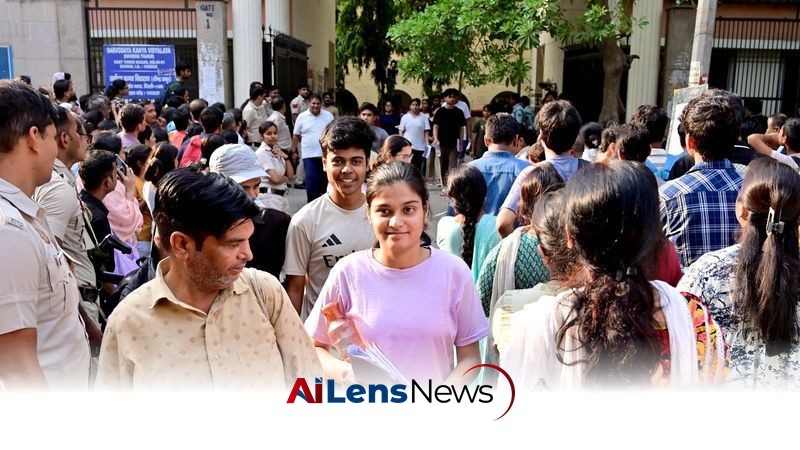


The NEET (UG) results reveal that candidates from Punjab and Haryana achieved the highest marks, with 17 rankers scoring above 705 across eight states.
New Delhi, India Jul 16, 2026 ALN: The National Testing Agency (NTA) has officially declared the results for the National Eligibility cum Entrance Test (NEET) for undergraduate courses. This year's results have highlighted the exceptional performance of candidates from Punjab and Haryana, who have emerged as the top scorers in the examination. NEET is a critical examination for students aspiring to enter the medical field in India, serving as a gateway to numerous medical colleges across the country. The examination is not just a test of knowledge, but also a reflection of years of preparation, dedication, and the educational ecosystems that support aspiring medical professionals.
Among the top 17 rankers, all of whom scored over 705 marks, candidates hail from eight different states, including Punjab, Haryana, Rajasthan, Uttar Pradesh, Maharashtra, Bihar, Tamil Nadu, and Telangana. This diverse representation underscores the competitive nature of the examination and the widespread talent across the country. The NEET exam, which tests students on subjects such as Physics, Chemistry, and Biology, is known for its rigorous standards and challenging questions, making the achievements of these top scorers particularly noteworthy. The examination is conducted annually and is a prerequisite for admission to undergraduate medical programs in India, making it one of the most significant assessments for students aiming to enter the medical profession.
The results indicate a significant achievement for students from Punjab and Haryana, who have consistently performed well in medical entrance examinations. The NTA's announcement has been met with enthusiasm among students and educators alike, as it reflects the hard work and dedication of the candidates. The success of these students is often attributed to a combination of factors, including quality of education, access to coaching facilities, and a strong emphasis on academic excellence within their communities. In Punjab and Haryana, there is a cultural emphasis on education, particularly in fields that promise stable and respectable careers, such as medicine.
The NEET results are crucial for students aspiring to pursue medical education in India. High scores not only enhance the chances of admission into prestigious medical colleges but also open doors for various career opportunities in the healthcare sector. The results can significantly influence the choices students make regarding their future, as they navigate the complex landscape of medical education and the various specializations available to them. In a country where the healthcare system is constantly evolving, the demand for qualified medical professionals is on the rise, making these results particularly significant.
As students and their families celebrate these achievements, educational institutions are likely to analyze the results to improve their teaching methodologies and support systems. The focus will now shift to the counseling process, where students will choose their preferred colleges based on their ranks. This process is critical, as it can determine not only the institutions students attend but also their future career trajectories in the medical field. The choices made during this phase can have lasting impacts on students' professional lives, shaping their experiences and opportunities in the medical sector.
The NEET examination results also have broader implications for the healthcare system in India. With the increasing demand for qualified healthcare professionals, the performance of students in NEET can impact the availability of skilled practitioners in various medical fields. The results may reflect regional disparities in educational access and quality, prompting policymakers to address these issues to ensure that talented students from all backgrounds have the opportunity to succeed. As the Indian population continues to grow and age, the need for healthcare services becomes more pressing, making the training of new medical professionals essential.
Moreover, the competitive nature of NEET and the emphasis on high scores can lead to a culture of intense preparation among students. This can have both positive and negative consequences. On one hand, it encourages students to work hard and strive for excellence; on the other hand, it can lead to stress and anxiety, as the pressure to perform well becomes overwhelming. Educational institutions and parents must find a balance in supporting students through this rigorous process while also promoting mental well-being. There is a growing recognition of the need for mental health support within educational settings, particularly for students facing high-stakes examinations like NEET.
The declaration of the NEET (UG) results marks a significant milestone for aspiring medical students. With Punjab and Haryana leading the way, the results reflect the dedication and hard work of students across the nation. As the education sector continues to evolve, these results will play a pivotal role in shaping the future of medical education in India. The focus now shifts to the next steps for these students, as they prepare to embark on their journeys in the medical field, contributing to the health and well-being of the nation. The outcomes of this examination serve not only as a measure of individual achievement but also as a reflection of the broader educational landscape in India, highlighting both successes and areas for improvement.
To learn more about the latest developments in Education News, stay updated with our exclusive reports and analyses on AiLensNews.

