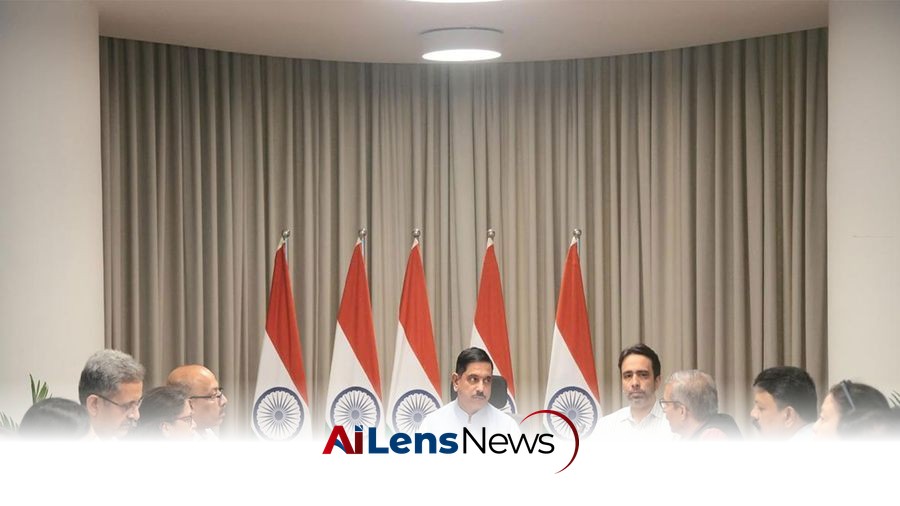


Prahlad Joshi takes charge as the new Union Education Minister, outlining his priorities for India's education sector.
Leh, India Jul 26, 2026 ALN: Prahlad Joshi has officially taken charge as the new Union Education Minister, stepping into a crucial role that shapes the future of India’s education system. In his inaugural address, Joshi emphasized the importance of education in nation-building and highlighted his commitment to enhancing the quality of education across the country. Education in India has long been recognized as a vital pillar for social and economic development, and Joshi’s appointment comes at a time when the sector faces numerous challenges and opportunities for reform.
During the meeting with ministry officials, Joshi outlined several key priorities that he aims to address during his tenure. He stressed the need for innovative approaches to education, focusing on integrating technology into classrooms and improving infrastructure in schools and colleges. The COVID-19 pandemic has significantly disrupted traditional education methods, making it imperative for the new minister to adapt and innovate to meet the changing needs of students and educators alike.
In addition to these priorities, Joshi acknowledged the challenges posed by the ongoing pandemic and the need for adaptive strategies to support students and educational institutions. The pandemic has not only disrupted learning but also exacerbated existing inequalities within the education system. Joshi called for collaboration among various stakeholders, including state governments, educational institutions, and civil society, to create a robust education framework. This collaborative approach is essential for addressing the diverse needs of the student population across different regions of the country.
As he embarks on this new journey, Joshi’s leadership is expected to bring fresh perspectives to the education ministry, with a strong emphasis on innovation and inclusivity. The education sector in India is poised for significant changes under his guidance, aiming to foster a more equitable and effective learning environment for all students. The implications of his policies could be far-reaching, influencing not just academic outcomes but also the socio-economic fabric of the nation.
Joshi's role as Union Education Minister is not just about managing existing institutions but also about envisioning the future of education in India. The country has a young population, with a significant percentage of its citizens under the age of 25. This demographic dividend presents both opportunities and challenges. Ensuring that this youth is equipped with the necessary skills and knowledge to thrive in a competitive global landscape is paramount. Thus, the education policy under Joshi’s leadership will likely focus on aligning educational outcomes with employment opportunities, thereby enhancing the employability of graduates.
Moreover, the integration of technology in education is expected to play a pivotal role in transforming learning experiences. The increased use of digital tools can facilitate personalized learning, enabling students to learn at their own pace and according to their individual needs. This shift towards a more student-centered approach could help in addressing the diverse learning styles present in classrooms across the country.
In conclusion, Prahlad Joshi's appointment as Union Education Minister marks a pivotal moment for India's education landscape. His vision and commitment to reform will be closely watched as he navigates the complexities of the education system. The expectations from his tenure are high, and the success of his initiatives will depend on effective implementation and the ability to engage various stakeholders in the education ecosystem. As India continues to grapple with the aftermath of the pandemic and strives for educational excellence, Joshi's leadership will be critical in shaping a resilient and inclusive education system that prepares future generations for the challenges ahead.
To provide further context, India's education system is one of the largest in the world, catering to over 250 million students across various levels of education including primary, secondary, and higher education. The system has been characterized by significant disparities, particularly between urban and rural areas, and among different socio-economic groups. Addressing these disparities is essential for achieving the United Nations Sustainable Development Goal of ensuring inclusive and equitable quality education for all.
Historically, education in India has undergone various reforms, with the National Policy on Education (NPE) being a key framework guiding educational development. The latest version of the NPE, introduced in 2020, emphasizes holistic and multi-disciplinary education, vocational training, and the integration of technology in teaching and learning processes. Joshi’s role will involve implementing these policies effectively while adapting to the changing educational landscape.
In recent years, the government has also focused on initiatives like the National Digital Educational Architecture (NDEAR) and the National Educational Technology Forum (NETF), which aim to leverage technology to enhance learning outcomes. Joshi’s commitment to digital learning aligns with these initiatives, and his leadership could be instrumental in their execution.
Furthermore, the COVID-19 pandemic has highlighted the urgent need for robust online education systems and digital infrastructure. Many students, particularly from disadvantaged backgrounds, faced challenges accessing online learning resources during lockdowns. Joshi’s focus on improving digital access and resources is therefore timely and essential for ensuring that all students can benefit from quality education, regardless of their socio-economic status.
In summary, Prahlad Joshi’s new role as Union Education Minister comes with significant responsibilities and expectations. His priorities reflect a comprehensive understanding of the current challenges facing the education sector in India, and his approach could pave the way for groundbreaking reforms that enhance educational quality, equity, and accessibility. The success of these initiatives will ultimately depend on the collaborative efforts of all stakeholders involved in the education ecosystem, including government bodies, educational institutions, teachers, and communities.
To learn more about the latest developments in Education News, stay updated with our exclusive reports and analyses on AiLensNews.

