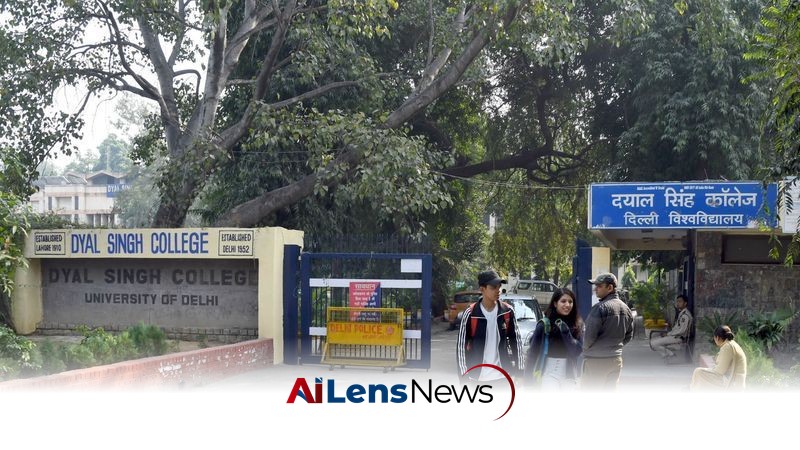


In light of ongoing debates regarding its renaming, Dyal Singh Evening College has suggested an alternative name for consideration by Delhi University.
Leh, India Jul 29, 2026 ALN: After months of controversy surrounding the proposed renaming of Dyal Singh Evening College to Banda Singh Bahadur College, the institution has put forth a new name for consideration by Delhi University (DU). This move aims to address the confusion between Dyal Singh Evening College and Dyal Singh Morning College.
The discussions regarding the renaming have sparked significant debate among students, faculty, and alumni, highlighting the importance of maintaining the college's historical identity while also distinguishing it from its morning counterpart. The college administration has been under pressure to find a solution that satisfies all stakeholders involved.
The initial proposal to rename Dyal Singh Evening College was met with mixed reactions. Supporters argued that the new name would honor Banda Singh Bahadur, a significant figure in Sikh history, while opponents expressed concerns about losing the college's original identity. Banda Singh Bahadur, known for his valor and leadership in the early 18th century, is celebrated for his role in the establishment of the Sikh Empire and for standing against oppression. His legacy is particularly revered in the Sikh community, making the proposal to rename the college in his honor a topic of considerable significance.
The controversy surrounding the renaming of the college reflects broader societal discussions about identity, heritage, and the values that educational institutions embody. In recent years, numerous colleges and universities around the world have grappled with similar issues, often leading to contentious debates about the appropriateness of namesakes and the implications of changing long-standing institutional identities.
In response to the backlash, the college administration sought to engage with the community to gather feedback and explore alternative naming options. The recent proposal reflects this effort to find a compromise that respects both historical significance and contemporary relevance. The administration's approach has included meetings, surveys, and open forums to ensure that all voices are heard in the decision-making process.
Feedback from students and alumni has been varied. Some students have expressed enthusiasm for the proposed name, believing it could foster a renewed sense of pride and identity within the college. They argue that adopting a name that honors a prominent historical figure could enhance the college's reputation and attract new students who resonate with Banda Singh Bahadur's ideals. This sentiment reflects a broader trend in educational institutions where namesakes are chosen not only for their historical significance but also for their inspirational qualities that align with the institution's mission.
Others, however, remain skeptical, fearing that any change could dilute the college's legacy. These individuals often cite the importance of continuity and tradition in educational institutions. Dyal Singh Evening College has its roots in the early 20th century and has built a legacy over the years that many alumni feel should be preserved. The college's original name is tied to its founding principles, and for some, changing it could signify a departure from those values.
Faculty members have also weighed in, emphasizing the need for a name that reflects the college's values and mission. Many educators believe that a name change should not only honor historical figures but also embody the institution's commitment to education, inclusivity, and community engagement. The administration has committed to considering all viewpoints as they move forward with the renaming process, indicating a willingness to balance tradition with the need for modernization.
The college plans to present the new name to the university administration for further discussion. The outcome will depend on the university's approval and the ongoing dialogue with the college community. This process is crucial, as it will determine whether the proposed new name will be adopted or if further revisions will be necessary. The administration has indicated that it is prepared to revisit the proposal based on feedback from the university and the broader community.
As the situation develops, Dyal Singh Evening College remains dedicated to ensuring that its identity is preserved while also embracing the opportunity for growth and recognition within the educational landscape. The college's leadership is aware that the name change is not merely a cosmetic alteration but a reflection of its aspirations for the future. They aim to create an environment that honors the past while also being responsive to the needs and values of current and future students.
In conclusion, the proposal for a new name signifies a proactive approach by the college to address the concerns raised during the renaming debate. It reflects a commitment to inclusivity and respect for the institution's heritage. The college's administration appears to be navigating a complex landscape of historical reverence, community sentiment, and educational aspirations. As discussions continue, the outcome of this renaming process will likely have lasting implications for the college's identity, its relationship with the community, and its role within the broader educational framework in Delhi.
Furthermore, the renaming debate at Dyal Singh Evening College is indicative of a larger trend occurring in educational institutions across the globe, where names and symbols are increasingly being scrutinized for their historical connotations and relevance in contemporary society. Institutions are finding themselves at a crossroads, where they must balance tradition with the evolving values of their communities. This case serves as a reminder of the importance of dialogue and collaboration in addressing sensitive issues related to identity, history, and representation.
Dyal Singh Evening College was established in 1959 as part of a larger movement to provide higher education opportunities to working individuals who could not attend classes during the day. The college was named after Dyal Singh Majithia, a prominent philanthropist and social reformer in the 19th century, who contributed significantly to education and public welfare. His vision was to promote education among the underprivileged, and as such, the college has aimed to uphold these values since its inception.
The college has evolved over the years, adapting to the changing educational landscape and the needs of its students. Offering a range of undergraduate and postgraduate programs, it has become a vital institution in Delhi's education system. The college's commitment to inclusivity and accessibility has made it a popular choice for students from diverse backgrounds.
The implications of the renaming process extend beyond the immediate community of Dyal Singh Evening College. As educational institutions grapple with their identities in an increasingly diverse society, the decisions they make regarding namesakes can have broader societal implications. A name change can signal a shift in values, priorities, and the cultural narratives that institutions choose to promote.
Moreover, the renaming process can serve as a catalyst for broader discussions about representation and inclusivity within educational settings. By engaging in dialogue about the significance of names and the figures they honor, institutions can foster a sense of belonging among students and faculty, while also addressing historical injustices and promoting a more equitable future.
As Dyal Singh Evening College navigates this complex process, it stands as a microcosm of the challenges faced by educational institutions worldwide. The outcome of this renaming debate will not only shape the college's identity but may also influence how similar institutions approach their own naming conventions and the values they wish to embody moving forward.
To learn more about the latest developments in Education News, stay updated with our exclusive reports and analyses on AiLensNews.

