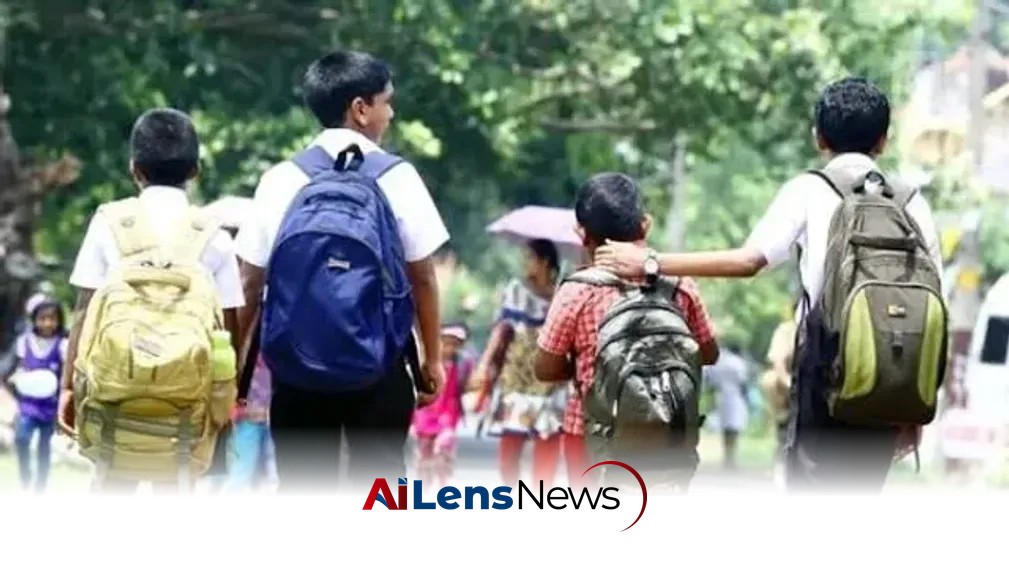


Schools in Kashmir reopened on July 27 after a 21-day summer vacation, extended due to heatwave conditions. Students return to normal academic activities.
New Delhi, India Jul 27, 2026 ALN: Schools across the Kashmir valley reopened on Monday after a 21-day summer vacation. This resumption of classes is a significant event for students, parents, and educators alike, as it marks a return to the academic routine that is crucial for the educational development of children in the region.
Students were seen returning to classrooms amid the usual rush in the morning hours, marking the end of the break announced by the School Education Department earlier this month. This return to school is not just about the resumption of education; it also signifies a return to social interaction and community engagement for the students, many of whom may have spent their break in various forms of recreation, family time, or even tutoring at home.
Notably, the summer vacations were extended beyond the initial schedule due to prevailing weather conditions. The Kashmir valley, known for its picturesque landscapes and temperate climate, experiences significant variations in weather, especially during the summer months. The decision to extend the break was made in light of these conditions, reflecting a proactive approach by the educational authorities to prioritize the health and well-being of students.
Officials told GNS that the decision to extend the break was taken keeping in view the heatwave and inclement weather in parts of the valley to ensure the safety and comfort of students. This is particularly important in a region where temperatures can soar unexpectedly, impacting the ability of students to concentrate and learn effectively. Ensuring a comfortable learning environment is essential for fostering academic success and overall well-being.
With schools now reopening, normal academic activities have resumed across government and private institutions in the valley. The resumption of classes is expected to bring about a structured environment for students, which is vital for their academic progress. Teachers are likely to focus on catching up with the syllabus, which may have been impacted by the extended break, and will also assess the students' readiness to engage with the curriculum following the holiday period.
The reopening of schools also comes at a time when the education sector in Kashmir has been navigating various challenges, including those posed by the ongoing political situation in the region. The educational landscape in Kashmir has seen disruptions due to strikes, unrest, and the COVID-19 pandemic, which has necessitated resilience and adaptability from both educators and students. The return to school signifies a step towards normalcy and stability in the educational framework.
Parents, who play a crucial role in the educational journey of their children, have expressed mixed feelings about the reopening of schools. While many are relieved to see students return to a structured learning environment, concerns about safety and health protocols remain paramount. The authorities have assured parents that necessary measures are in place to ensure the safety of students as they return to school. This includes adherence to health guidelines, which may involve maintaining hygiene standards and ensuring that students are equipped with the necessary resources to protect themselves from illness.
Moreover, the reopening of schools is an opportunity for educators to implement new teaching strategies that may have been developed during the extended break. Many teachers have utilized this time to enhance their skills through professional development programs, which can lead to improved educational outcomes for students. This period also allows for the integration of technology in the classroom, which has become increasingly relevant in today's education system.
The impact of the extended summer break and the subsequent reopening of schools will likely be felt across various dimensions of student life. For instance, the social aspect of education is crucial, as students not only learn academic content but also develop social skills and emotional intelligence through interactions with peers and teachers. The classroom environment provides a space for collaboration, discussion, and the exchange of ideas, all of which are essential for holistic development.
In conclusion, the reopening of schools in the Kashmir valley after an extended summer break is a significant milestone for the educational community. It reflects the resilience of the system in adapting to challenges while prioritizing the health and safety of students. As academic activities resume, the focus will be on bridging the learning gaps that may have arisen during the break and fostering an environment conducive to learning and growth. The coming weeks will be crucial as educators and students navigate the transition back to school, aiming for a successful academic year ahead.
The educational framework in Kashmir has historically faced numerous challenges, including infrastructural deficits, teacher shortages, and the impact of political instability. These issues have been exacerbated by the COVID-19 pandemic, which led to prolonged school closures and a shift towards online learning. The return to in-person classes is therefore not just about resuming education but also about rebuilding the social fabric that schools provide.
In the context of Kashmir, where the education system has been under strain, the reopening of schools can also be seen as a moment of hope. Many students have faced significant disruptions in their learning journey, and educators are now tasked with addressing these gaps. The ability to effectively assess students' needs and adapt teaching methods accordingly will be crucial in the coming weeks.
Furthermore, the reopening is expected to provide a much-needed sense of normalcy for families in the region. For many parents, the school environment is a critical support system that not only facilitates education but also provides a safe space for children. The return to school can alleviate some of the burdens on families who may have struggled to provide adequate educational support at home during the extended break.
In addition to academic recovery, schools also play a pivotal role in the mental health and well-being of students. The social interactions that occur in a school setting are vital for fostering emotional resilience and coping skills. As students reunite with their peers and teachers, they will have the opportunity to reconnect and rebuild relationships that may have been strained during the break.
As the academic year progresses, it will be important for educators to remain vigilant and responsive to the evolving needs of their students. Continuous communication with parents and the community will be essential to ensure that any emerging issues are addressed promptly. The collaboration between teachers, parents, and local authorities will be key to creating a supportive learning environment that prioritizes the health and safety of all involved.
In summary, the reopening of schools in Kashmir after an extended summer break is a multifaceted event with significant implications for the educational landscape. It symbolizes resilience, adaptability, and the collective efforts of educators, parents, and students to navigate a challenging environment. As classes resume, the focus will be on fostering a safe, engaging, and productive learning atmosphere that can contribute to the overall development of students in the region.
To learn more about the latest developments in Education News, stay updated with our exclusive reports and analyses on AiLensNews.

