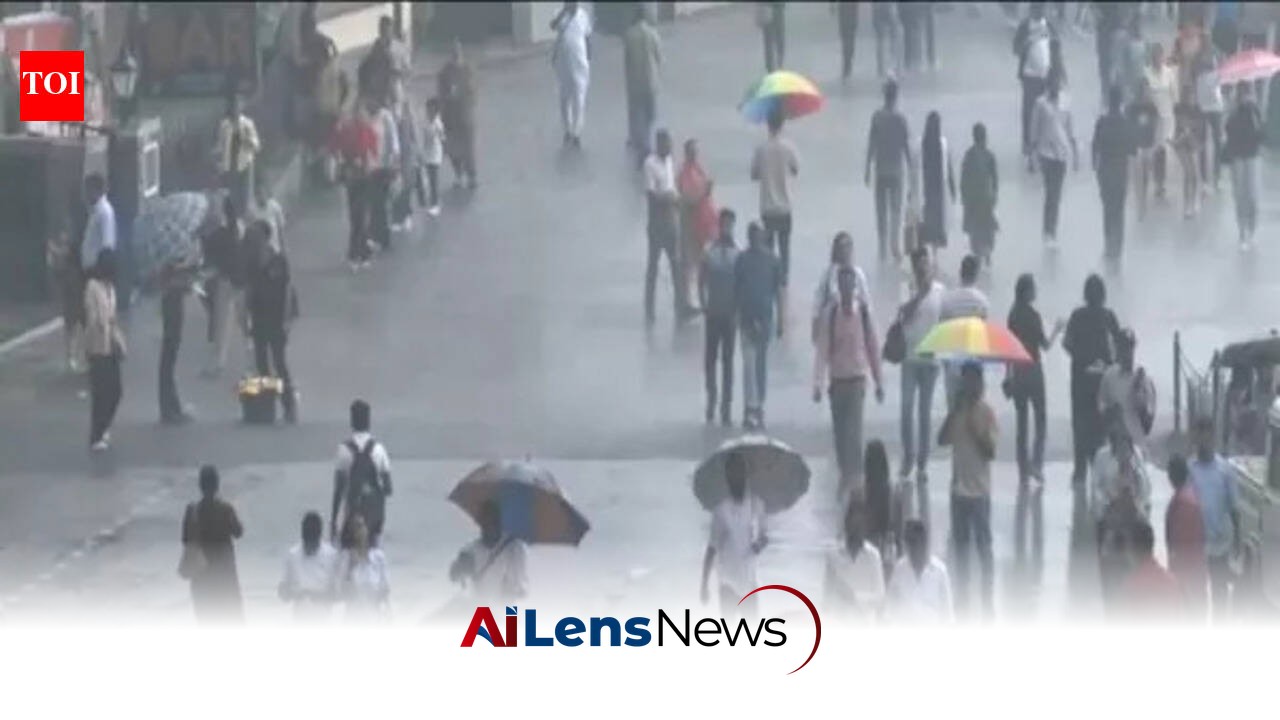


The IMD has issued a five-day orange alert for heavy rainfall in Himachal Pradesh, prompting potential school closures for student safety.
Shimla, India Jul 18, 2026 ALN: Schools in parts of Himachal Pradesh may remain closed as the n Meteorological Department (IMD) has issued an orange alert for heavy to very heavy rainfall until July 23. This alert raises concerns about student safety amid warnings of landslides, flash floods, and disrupted road connectivity. The potential for such severe weather conditions is particularly alarming for a state like Himachal Pradesh, known for its hilly terrain and susceptibility to natural disasters.
The IMD's orange alert indicates that the region could experience significant rainfall, which is defined as rainfall between 6 to 12 centimeters in a 24-hour period. Such levels of precipitation can quickly lead to dangerous conditions, especially in mountainous areas where the risk of landslides increases dramatically. Landslides can block roads, isolate communities, and pose serious risks to life and property. Flash floods, on the other hand, can occur with little warning, making it crucial for residents and authorities to remain vigilant.
In response to the forecast, the state government has empowered deputy commissioners to make decisions regarding the suspension of classes based on local weather conditions. This proactive measure aims to prioritize the safety of students in light of the severe weather forecast. The decision-making process is intended to be swift and responsive, allowing local authorities to react to changing weather patterns and ensure that students are not put at risk by traveling to and from school during hazardous conditions.
Authorities are closely monitoring the situation and will provide updates as necessary. Parents and students are advised to stay informed about any announcements from local institutions. Communication is key during such weather events, and schools are expected to utilize various channels, including social media, text messages, and local news outlets, to disseminate information regarding school closures or changes to the school schedule.
In addition to the immediate concerns regarding school operations, the heavy rainfall could also impact transportation and emergency services in the region. Himachal Pradesh, with its narrow and winding roads, is particularly vulnerable to weather-related disruptions. Landslides can block key routes, making it difficult for emergency services to reach those in need or for residents to access essential services. The state has a history of facing challenges during the monsoon season, and local authorities are likely to have contingency plans in place to address potential emergencies.
Residents are urged to exercise caution and remain vigilant during this period. The IMD not only warns of heavy rainfall but also advises against unnecessary travel during severe weather. Those who must travel should be aware of the conditions and take necessary precautions, such as checking road conditions and having emergency supplies on hand. It is also advisable for residents to stay indoors during heavy rainfall, especially in areas prone to flooding or landslides.
As the situation develops, further guidelines and recommendations will be issued to ensure the well-being of students and the community at large. The government may also coordinate with local disaster management authorities to prepare for any potential emergencies that may arise as a result of the heavy rains. This could include preemptive measures such as clearing drainage systems, reinforcing vulnerable structures, and ensuring that emergency response teams are on standby.
Historically, the monsoon season in Himachal Pradesh has been a double-edged sword. While it is crucial for replenishing water resources and supporting agriculture, it also brings significant risks. The state has experienced devastating floods and landslides in the past, leading to loss of life and property. The monsoon of 2018, for instance, saw severe flooding in several districts, prompting widespread evacuations and significant damage to infrastructure.
In light of this context, the current alert serves as a reminder of the importance of preparedness and resilience in the face of natural disasters. Schools play a vital role in community safety, not only by providing but also by serving as centers for information and support during emergencies. The decision to close schools can be seen as part of a broader strategy to safeguard the health and safety of students and their families.
Moreover, this situation highlights the need for ongoing investment in infrastructure and disaster preparedness in the region. Improved drainage systems, better road maintenance, and enhanced early warning systems for extreme weather events can help mitigate the impacts of heavy rainfall and reduce the risk of disasters. Community awareness about the risks associated with severe weather is also a critical component of resilience.
The al sector in Himachal Pradesh has faced numerous challenges over the years, particularly during the monsoon season. The closure of schools due to adverse weather conditions is not a new phenomenon; however, the frequency and intensity of such closures have increased, raising concerns about the academic calendar and the overall al impact on students. Continuous interruptions in schooling can lead to gaps in learning, especially for students in rural areas who may have limited access to al resources.
As the monsoon progresses, it is essential for residents to remain informed and prepared. Local authorities and the IMD will continue to provide updates on weather conditions and safety recommendations. By staying vigilant and following guidance from officials, communities can better navigate the challenges posed by heavy rainfall and work towards minimizing its impacts on daily life.
In addition to immediate weather-related concerns, the heavy rainfall can also have longer-term implications for the local economy, particularly in sectors such as agriculture and tourism. Agriculture in Himachal Pradesh is heavily dependent on the monsoon for irrigation, but excessive rainfall can lead to crop damage, soil erosion, and loss of livelihoods for farmers. Conversely, the tourism industry, which is a significant contributor to the state's economy, may also suffer due to adverse weather conditions that deter visitors from traveling to the region.
In conclusion, the heavy rainfall alert in Himachal Pradesh underscores the need for comprehensive disaster management strategies that encompass not only immediate safety measures but also long-term planning for climate resilience. The collaboration between government agencies, local communities, and al institutions is vital in creating a robust framework that can effectively respond to the challenges posed by natural disasters while ensuring the safety and well-being of the population. As the region braces for the impending rains, the focus must remain on preparedness, communication, and community solidarity to navigate the uncertainties ahead.
To learn more about the latest developments in Education News, stay updated with our exclusive reports and analyses on AiLensNews.

