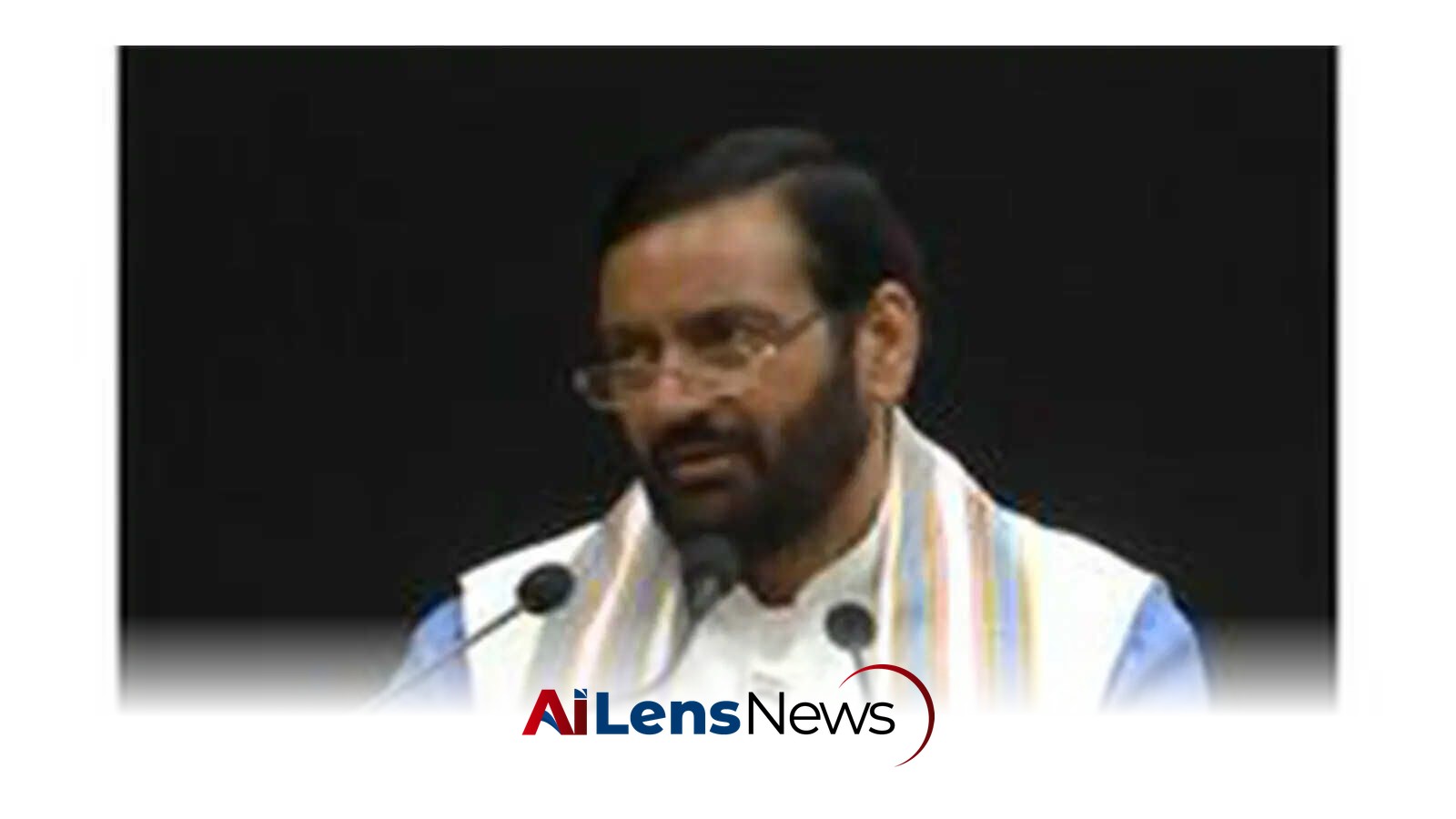


Haryana Chief Minister Nayab Singh Saini outlines a transformative plan to establish the state as a global knowledge economy hub, aligning with the National Policy.
New Delhi, India Jul 13, 2026 ALN: Haryana Chief Minister Nayab Singh Saini has announced an ambitious initiative to position the state as a leading knowledge economy on the global stage. This vision is anchored in the principles of 'Re-design, Re-imagine, and Re-invest', aimed at reshaping the academic landscape in Haryana. The initiative is particularly significant in the context of the National Policy (NEP), which was introduced by the Government of in 2020 with the goal of overhauling the system to make it more holistic, flexible, multidisciplinary, aligned to the needs of the 21st century, and aimed at bringing out the unique capabilities of each student.
The NEP represents a significant shift in the al paradigm in , emphasizing the need for a more student-centric approach that fosters critical thinking, creativity, and practical skills. The policy aims to replace rote learning with a more engaging and application-oriented learning experience. In this context, Haryana's initiative reflects a commitment to align its al reforms with national goals, ensuring that its students are equipped to thrive in an increasingly competitive global environment.
The government is committed to implementing comprehensive reforms across state universities and their affiliated colleges, ensuring alignment with the NEP. This strategic approach seeks to enhance the quality of and foster an environment conducive to innovation and research. As Haryana moves towards becoming a knowledge-driven economy, its proactive stance highlights its recognition of the need for al reform to meet the demands of a rapidly changing global landscape.
The initiative revolves around three core principles:
Under this vision, the Haryana government is focusing on several key areas:
The reforms aim to create a robust academic framework that not only enhances academic performance but also promotes employability among graduates. By aligning academic outcomes with industry needs, Haryana aspires to attract investments and foster a culture of entrepreneurship. The integration of practical skills training and internships into the curriculum is expected to bridge the gap between and employment, making graduates more competitive in the job market.
As the state moves forward with this initiative, it seeks to establish partnerships with various stakeholders, including academic institutions, industry leaders, and government agencies, to ensure the successful implementation of these reforms. Collaboration with the private sector can lead to innovative al programs that are directly aligned with market demands, providing students with real-world experience and networking opportunities. This collaborative approach can also facilitate the establishment of incubation centers and innovation hubs that support startups and promote entrepreneurship among students.
Furthermore, the Haryana government is likely to engage with international al bodies to benchmark its reforms against global standards. This engagement can also facilitate knowledge exchange and collaboration on research projects, enhancing the state's academic reputation on an international scale. By participating in global al forums and conferences, Haryana can showcase its initiatives and attract international collaborations and partnerships.
In conclusion, Haryana's commitment to transforming its al landscape under the NEP reflects a proactive approach to building a knowledge-driven economy. The government's vision is clear: to create an environment where and innovation thrive, ultimately benefiting the state's economy and society. As Haryana embarks on this transformative journey, its success will depend on sustained efforts, stakeholder engagement, and a willingness to adapt to the ever-evolving al landscape.
This initiative not only has the potential to elevate Haryana's status within but also positions it as a competitive player on the global al stage. As the world increasingly values knowledge and innovation, Haryana's strategic focus on could serve as a model for other states aiming to enhance their own al frameworks and economic prospects.
Moreover, the implications of this initiative extend beyond just economic growth. By fostering a culture of learning and innovation, Haryana could contribute to social mobility and equity, ensuring that quality is accessible to all segments of society. This holistic approach may lead to a more informed and engaged citizenry, capable of addressing the challenges of the future. The emphasis on inclusivity in can also help bridge socio-economic divides, empowering marginalized communities and promoting equal opportunities for all students.
In an increasingly interconnected world, the ability to adapt and innovate is crucial for success. As Haryana positions itself as a leader in the knowledge economy, it will not only enhance its own development but also contribute to the broader goals of national progress and global competitiveness. The journey ahead will require collaboration, commitment, and a shared vision among all stakeholders to realize the full potential of this initiative.
To learn more about the latest developments in Results & Cutoffs, stay updated with our exclusive reports and analyses on AiLensNews.

