


The Supreme Court has affirmed that NALSAR University students have the right to protest, criticizing the Bar Council of India's directive to prevent their enrollment as advocates.
Chandigarh, India Aug 14, 2026 ALN: The Supreme Court of India has recently taken a strong stance regarding the rights of students at NALSAR University of Law, emphasizing their entitlement to protest. This decision comes in response to a controversial circular issued by the Bar Council of India (BCI), which directed all state Bar councils to refrain from enrolling any graduates from the 2026 batch of NALSAR as advocates. The ruling has significant implications not only for the students of NALSAR but also for the broader educational and legal landscape in India.
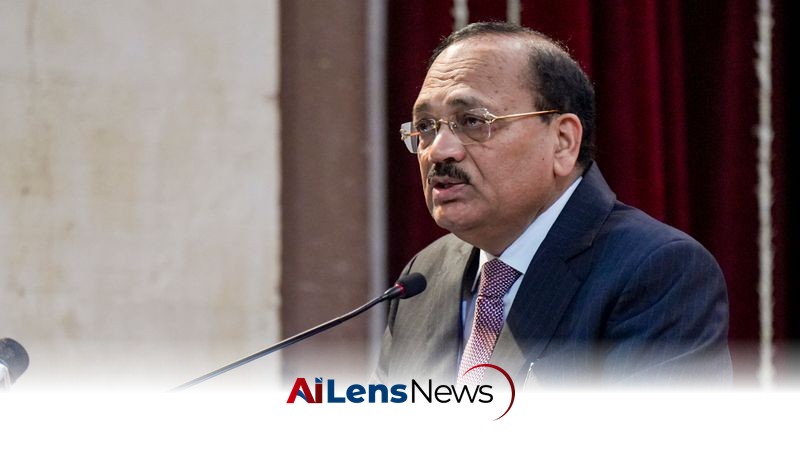
The Chief Justice of India (CJI) expressed concern over the BCI's actions, stating that students should not be penalized for exercising their right to protest. The court highlighted the importance of upholding democratic values and the fundamental rights of individuals, particularly in educational institutions. The ruling underscores the judiciary's role in safeguarding constitutional rights, especially in contexts where authorities may overreach their powers.
The BCI's directive was perceived as an attempt to suppress dissent among students, following protests related to various issues affecting the legal community and educational policies. The protests at NALSAR were primarily driven by concerns over legal education quality, the need for reforms in the legal profession, and the representation of marginalized communities within the legal system. Students voiced their dissatisfaction with the BCI's policies, which they felt were outdated and did not reflect the evolving needs of the legal profession.
This situation is not unique to NALSAR; it reflects a broader trend in which students across various educational institutions in India have been increasingly vocal about their rights and the need for systemic change. The BCI's directive, seen as punitive, ignited a firestorm of debate regarding the balance between institutional authority and student rights. The Supreme Court's intervention signals a commitment to protecting the rights of students and ensuring that their voices are heard, thereby reinforcing the importance of academic freedom and expression.
This ruling not only supports the students of NALSAR but also sets a precedent for other educational institutions across the country. It reinforces the notion that students have the right to express their opinions and engage in protests without fear of retribution from governing bodies. The Supreme Court's decision may encourage students in other universities to assert their rights, knowing they have judicial backing. Moreover, it places the BCI and similar regulatory bodies under scrutiny, compelling them to reevaluate their policies and practices to ensure they align with constitutional rights.
The implications of this ruling extend beyond the immediate context of NALSAR. It raises questions about the autonomy of educational institutions and the extent to which governing bodies can impose restrictions on students. The decision serves as a reminder that while institutions have a duty to maintain order and discipline, they must also respect the fundamental rights of individuals, particularly in environments designed for learning and critical thought.
The decision has been welcomed by various legal experts and advocates who argue that the BCI's circular undermines the principles of justice and equality. Many have called for a reevaluation of the BCI's policies to ensure they align with constitutional rights. Legal scholars have pointed out that the right to protest is a fundamental aspect of democratic society, and any attempt to stifle this right must be met with robust legal challenges.
Moreover, the ruling has sparked discussions about the role of regulatory bodies like the BCI in the legal education system. Critics argue that such bodies should facilitate the growth and development of legal education rather than impose restrictions that could hinder students' professional opportunities. The legal community is now calling for a more inclusive approach to policy-making that takes into account the voices of students and educators alike.
The Supreme Court's ruling also resonates with a wider movement among students in India, who have increasingly mobilized around various social and political issues. From protests against the Citizenship Amendment Act (CAA) to demands for better representation of marginalized groups in educational institutions, students have emerged as a powerful voice for change. This trend is indicative of a generation that is more politically aware and willing to challenge the status quo.
In this context, the court's affirmation of students' rights to protest aligns with the broader democratic ethos that underpins the Indian Constitution. It highlights the judiciary's role as a guardian of civil liberties and a counterbalance to potential governmental or institutional overreach. As students continue to engage in activism, the legal framework surrounding their rights will likely evolve, reflecting the changing dynamics of society.
The Supreme Court's ruling serves as a reminder of the importance of protecting the rights of students and the necessity of allowing them to voice their concerns. As the legal landscape continues to evolve, this case will likely influence future discussions on student rights and institutional governance. Educational institutions must recognize that fostering an environment where dissent is tolerated is crucial for nurturing critical thinkers and future leaders.
In summary, the Supreme Court's decision not only affirms the rights of NALSAR students but also sets a precedent that could resonate throughout the educational system in India. It emphasizes the importance of dialogue, protest, and the active engagement of students in shaping the future of legal education and governance in the country. As this case unfolds, it will be essential to monitor its impact on both the legal profession and the broader societal discourse surrounding student rights and activism.
To learn more about the latest developments in Education News, stay updated with our exclusive reports and analyses on AILensNews.

