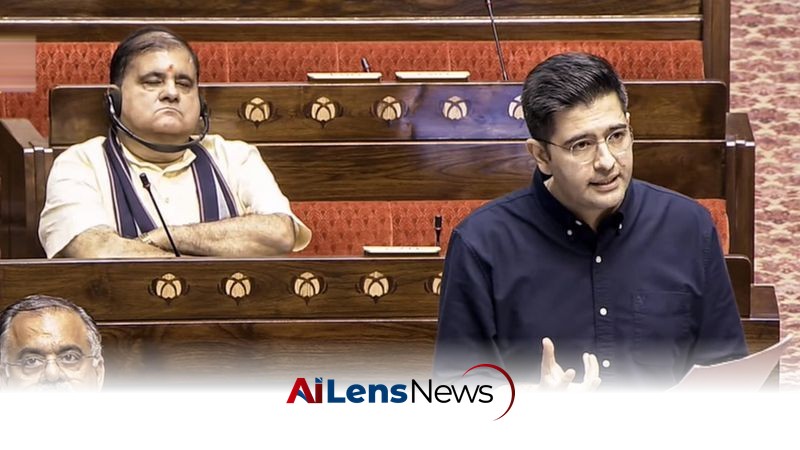



In response to the NEET paper leak controversy, Raghav Chadha emphasized the need for institutional solutions over political rhetoric, commending PM Modi's protective stance for students.
Chandigarh, India Jul 31, 2026 ALN: The National Eligibility cum Entrance Test (NEET) is a pivotal examination in India, serving as the gateway for aspiring medical students to secure admission into undergraduate medical programs across the country. Given its significance, any disruption to the integrity of this examination can have far-reaching implications for students, parents, educational institutions, and the healthcare system at large. Recently, the NEET paper leak incident has ignited a nationwide uproar, prompting a critical examination of the examination's administration and oversight.
Breaking his silence on this pressing issue, Rajya Sabha Member of Parliament Raghav Chadha addressed the public's concerns during a recent session, emphasizing the need for a solution rooted in institutional reform rather than mere political posturing. His comments come at a time when the NEET paper leak has not only raised questions about the examination's credibility but has also led to widespread protests from students and their families, who feel betrayed by a system that should protect their academic futures.
Chadha's approach is notable for its emphasis on the importance of a measured response from all stakeholders involved, including educational authorities, government officials, and the student community. He expressed that the severity of the situation necessitates a collective effort to ensure accountability. By refraining from sensational media soundbites, Chadha aimed to foster a more constructive dialogue that prioritizes the long-term welfare of students over short-term political gains.
In his remarks, Chadha praised Prime Minister Narendra Modi for his supportive stance towards the students affected by the NEET paper leak. He portrayed the Prime Minister as a guardian figure, suggesting that Modi's leadership is pivotal in restoring public trust in the examination process. The Prime Minister's involvement in addressing student grievances can be seen as a strategic move to reinforce the government's commitment to educational integrity and to reassure anxious students and parents.
The NEET paper leak incident has raised critical questions about the examination's security protocols and the measures in place to prevent such breaches in the future. The implications of the leak extend beyond immediate concerns about fairness in the examination process; they also touch on broader issues of educational equity and access. Students from various socio-economic backgrounds invest significant time and resources in preparing for NEET, and any compromise in the examination's integrity disproportionately affects those who have worked diligently to secure their future.
In light of the ongoing protests, there have been increasing calls for a thorough investigation into the circumstances surrounding the leak. Stakeholders, including student organizations and educational reform advocates, are demanding transparency and accountability from the authorities responsible for administering the NEET examination. They argue that without a comprehensive inquiry, the root causes of such breaches will remain unaddressed, leaving the door open for future incidents.
Chadha's call for a collaborative approach is particularly relevant in this context. He urged all parties—government officials, educational institutions, and student representatives—to come together to forge a path forward that emphasizes the integrity of the educational system. This collaborative spirit is essential for developing effective reforms that not only address the immediate fallout from the paper leak but also strengthen the examination process in the long term.
As the debate continues, it is crucial to consider the implications of the NEET paper leak on the broader educational landscape in India. The incident has highlighted the vulnerabilities within the examination system and has sparked discussions about the need for enhanced security measures, better training for examination officials, and the implementation of technology-driven solutions to prevent future leaks.
Furthermore, the students' response to the leak reflects a growing awareness and activism among young people in India. The mobilization of students in protests indicates a shift towards greater engagement in educational policy matters, as they demand accountability and reform. This trend could lead to a more informed and active citizenry that holds the government and educational institutions accountable for their actions.
The NEET examination, which is conducted annually, is not just a test of knowledge but a critical determinant of future career paths for millions of students. In 2022 alone, over 18 lakh candidates registered for the examination, underscoring its significance in the Indian educational ecosystem. The stakes are high, as successful candidates gain access to coveted seats in medical colleges, while those unable to secure a place face the daunting prospect of limited opportunities in the medical field. This competitive environment amplifies the impact of any irregularities, such as a paper leak, which can undermine the efforts of diligent students.
Historically, the NEET exam has faced scrutiny and challenges, including legal battles and debates over its fairness and accessibility. The introduction of NEET aimed to standardize the admission process across various states and private institutions, but it has also led to concerns about regional disparities, language barriers, and the pressure it places on students. The recent paper leak incident has reignited these discussions, as it raises questions about the efficacy of the measures intended to safeguard the integrity of the examination.
Moreover, the implications of the NEET paper leak extend into the realm of public trust in educational institutions and the government. The perception that the examination process is compromised can deter students from pursuing medical careers, thereby impacting the future healthcare workforce in India. As the nation grapples with healthcare challenges, including shortages of medical professionals in rural areas, maintaining a credible and fair examination process becomes even more crucial.
In conclusion, the NEET paper leak incident serves as a critical juncture for India's educational system. Raghav Chadha's remarks highlight the necessity for a thoughtful and measured response that prioritizes the needs of students and the integrity of the examination process. As the government grapples with the fallout from this incident, the focus will remain on how effectively it can address the concerns raised by students and the public, and whether it can implement reforms that ensure the NEET examination remains a fair and credible pathway for aspiring medical professionals in India. The need for a transparent, accountable, and secure examination process is paramount, not only for the current generation of students but for the future of India's healthcare system.
To learn more about the latest developments in Education News, stay updated with our exclusive reports and analyses on AILensNews.

