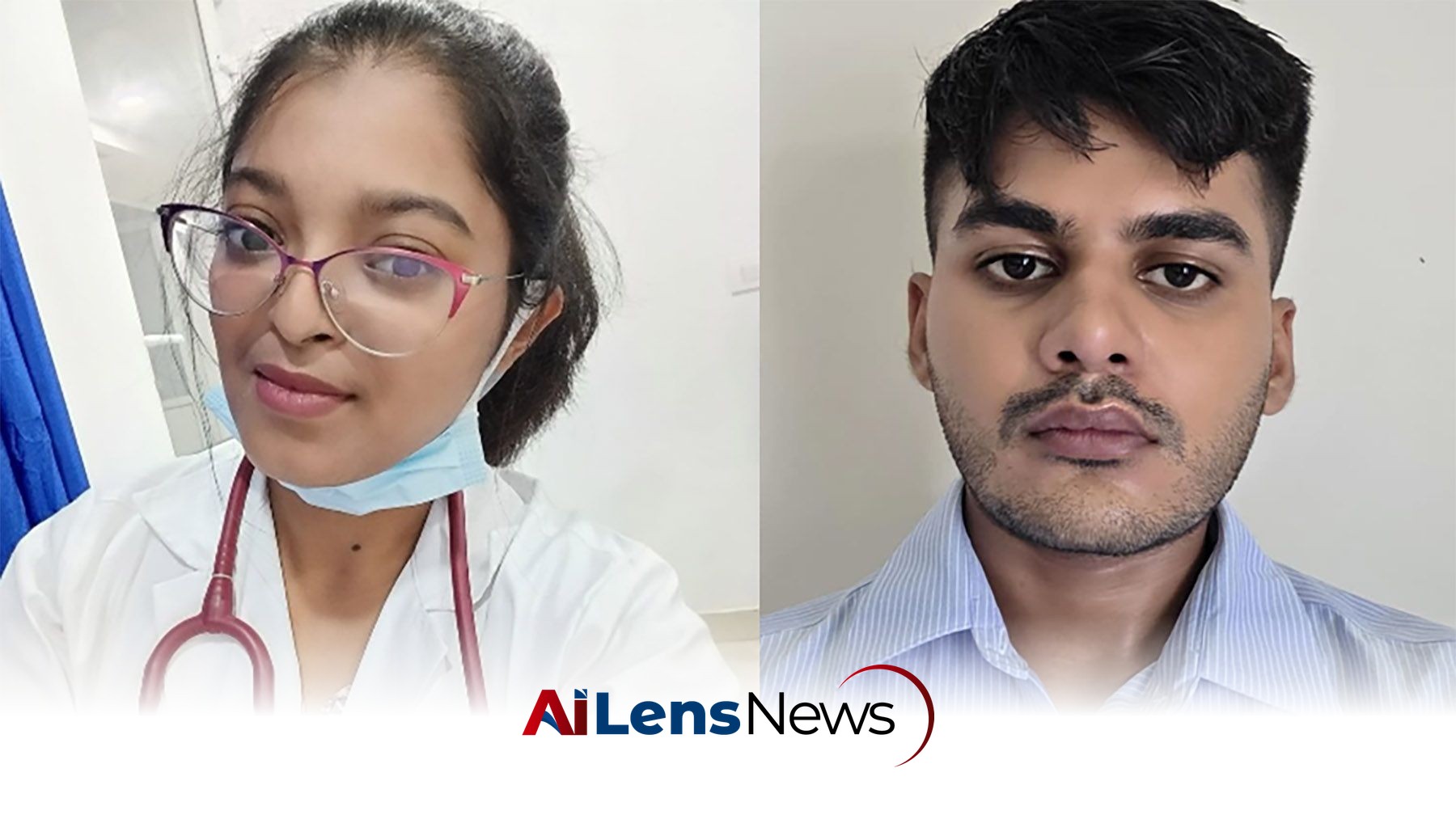


Dr. Varbeena Bezbaurah's efforts lead to TRIHMS's inclusion in the World Directory of Medical Schools, enhancing opportunities for students.
Itanagar, India Jul 19, 2026 ALN: The Tomo Riba Institute of Health and Medical Sciences (TRIHMS) has recently gained significant recognition by being enlisted in the World Directory of Medical Schools (WDoMS), thanks to the persistent efforts of its students, particularly Dr. Varbeena Bezbaurah. This milestone marks a crucial development for the institute, which is now the eighth medical college in the Northeast to achieve this status.
The World Directory of Medical Schools (WDoMS) serves as a comprehensive resource for medical students and educational institutions globally. It is managed by the World Federation for Medical Education (WFME) and the Foundation for Advancement of International Medical Education and Research (FAIMER). The directory includes over 4,350 medical schools worldwide, providing essential information about their operational status, accreditation, and curriculum. Being listed in the WDoMS is critical for medical schools as it signifies that the institution meets international standards of medical education, thus enhancing its credibility and the value of its degrees.
Medical education is a cornerstone of healthcare systems worldwide, with the quality and recognition of medical schools playing a vital role in shaping the competence of future healthcare professionals. The enlistment of TRIHMS in the WDoMS not only boosts the institute's reputation but also enhances the career prospects of its graduates. For many aspiring doctors, the ability to study and work abroad is a significant motivator, and having their institution recognized on a global platform opens up numerous opportunities.
Dr. Varbeena, a member of the first graduating batch of 2018, discovered the lack of TRIHMS's listing in the WDoMS while exploring opportunities for higher studies abroad. The absence of this listing meant that graduates could not apply to foreign medical colleges, limiting their educational prospects. This limitation is particularly significant in a globalized world where many medical graduates seek to enhance their qualifications and gain exposure to international medical practices. The inability to pursue international opportunities can lead to a sense of frustration and stagnation among graduates, potentially impacting their career trajectories.
Determined to address this issue, Dr. Varbeena, who previously served as the regional director of the Medical Students Association of India, initiated a campaign to raise awareness among her peers. She reached out to fellow students, including Dr. Prateek Pandey from the 2019 batch, who shared her concerns and joined her efforts. Together, they approached the college administration, starting with the then-director, Dr. Moji Jini, and later the Dean-cum-Principal, Prof. Dr. Shyamal Bhattacharya, who unfortunately passed away during the process. The loss of Prof. Bhattacharya, a respected figure in the medical education community, was a setback for the initiative, but it did not deter the students from pursuing their goal.
The challenges faced by the students exemplify the hurdles that many emerging medical institutions encounter in their quest for recognition. The process of gaining international acknowledgment involves rigorous evaluations and compliance with educational standards, which can be daunting for institutions that are still in their developmental phase. However, the determination shown by Dr. Varbeena and her peers highlights a growing trend of student activism that is increasingly influencing the landscape of medical education in India.
Under the leadership of the current director-cum-dean, Dr. Naba Kumar Bezbaruah, the issue gained momentum. Dr. Bezbaruah appointed Dr. Goter Doke as the coordinator to facilitate the enlistment process. This administrative support was crucial in navigating the complex requirements for WDoMS listing, which includes demonstrating compliance with educational standards and providing comprehensive documentation of the institution's programs. The collaboration between students and administration signifies a collective effort towards achieving a common goal, showcasing the importance of teamwork in the academic environment.
Dr. Pandey, who is now affiliated with the All India Institute of Medical Sciences in Raipur, expressed his frustrations over the challenges faced by graduates in applying for the United States Medical Licensing Examination (USMLE) due to the lack of WDoMS recognition. The USMLE is a critical examination for medical graduates seeking to practice medicine in the United States, and passing this exam is often a prerequisite for residency programs. Without WDoMS recognition, graduates from TRIHMS faced significant barriers in pursuing their medical careers internationally. The implications of this recognition extend beyond individual aspirations, as it also reflects on the institution's ability to produce competent healthcare professionals who can contribute to the global medical community.
To expedite the process, Dr. Bezbaruah and Dr. Pandey traveled to New Delhi to advocate for TRIHMS's inclusion in the WDoMS. Their efforts paid off when the National Medical Council (NMC) issued a 'sponsor note' for TRIHMS's enlistment, marking a significant achievement for the institution and its alumni. This endorsement from the NMC not only facilitated the listing process but also reaffirmed the quality of education provided at TRIHMS. The recognition serves as a testament to the hard work and dedication of both the faculty and students, reinforcing the notion that collaborative efforts can lead to significant advancements in educational standards.
Both Dr. Varbeena and Dr. Prateek are now preparing to take the USMLE, with Dr. Prateek expressing his willingness to resign and pursue higher studies abroad if selected. Their determination reflects the aspirations of many medical graduates who seek to broaden their horizons and gain valuable experience in diverse healthcare settings. They attribute their success to the unwavering support of Dr. Bezbaruah, who has been instrumental in providing hope and opportunities for TRIHMS graduates. The journey of these students underscores the importance of mentorship and guidance in the academic realm, as experienced educators play a crucial role in shaping the future of aspiring medical professionals.
Interestingly, TRIHMS joins the ranks of other NMC-approved medical colleges in the Northeast, such as the North Eastern Indira Gandhi Regional Institute of Health and Medical Sciences (NEIGRIHMS) in Shillong and the Regional Institute of Medical Sciences (RIMS) in Imphal, which were previously listed in the WDoMS. The recognition of TRIHMS is part of a broader trend of improving medical education standards in the Northeastern region of India, which has historically faced challenges in healthcare infrastructure and educational resources. The inclusion of more medical colleges in esteemed directories like the WDoMS is indicative of a shifting paradigm in the region, where there is a growing emphasis on enhancing the quality of medical education and training.
Dr. Varbeena's proactive approach and dedication to securing recognition for TRIHMS, despite its relatively short history, highlight her commitment to the future of medical education in the region. Her efforts deserve recognition, and it is hoped that the state government will consider her for an award in acknowledgment of her contributions. The success of this initiative not only reflects individual perseverance but also underscores the importance of student activism in driving institutional change. In a time when healthcare is increasingly recognized as a fundamental right, the need for well-trained medical professionals is paramount, making the work of dedicated students and educators all the more critical.
In conclusion, the enlistment of TRIHMS in the WDoMS not only enhances the institution's reputation but also opens up new avenues for its students, allowing them to pursue higher education opportunities globally. This achievement is expected to inspire future cohorts of medical students at TRIHMS and other institutions in the region, reinforcing the idea that collective efforts can lead to meaningful change in medical education. As the demand for qualified healthcare professionals continues to grow, the recognition of institutions like TRIHMS is vital in ensuring that graduates are well-equipped to meet the challenges of modern medicine. This development serves as a beacon of hope for aspiring medical students in the Northeastern region, illustrating that with determination and collaborative effort, significant milestones can be achieved.
To learn more about the latest developments in Education News, stay updated with our exclusive reports and analyses on AiLensNews.

