

This edition covers alleged K-12 education fraud, a California school's mascot battle, and a Florida board's decision on college admissions.
Washington DC, United States Jul 12, 2026 ALN: ALLEGED K-12 FRAUD: A recent report has uncovered a staggering $230 million in alleged fraud within the K-12 education system, coinciding with former President Trump's crackdown on educational misconduct. This revelation has raised serious concerns about the integrity of educational funding and oversight. The reported fraud includes various forms of financial misconduct, such as misappropriation of funds, inflated billing for services not rendered, and falsification of attendance records, which have collectively undermined the intended purpose of educational resources. The implications of this fraud reach far beyond mere financial loss; they threaten to erode public trust in the educational system, which is already under scrutiny due to various political and social pressures. The timing of this report is particularly significant as it aligns with a broader national conversation about the accountability of public institutions, especially in light of the COVID-19 pandemic, which has strained educational budgets and resources.
This situation is compounded by the fact that K-12 funding is often tied to student enrollment numbers and attendance, making the falsification of these records particularly damaging. When schools inflate their attendance figures or misappropriate funds intended for educational programs, they not only violate ethical standards but also divert resources away from students who genuinely need support. The ramifications of such fraud can be devastating, leading to reduced educational quality, loss of programs, and ultimately, harm to students' academic experiences.
Moreover, the systemic issues that allow such fraud to occur often stem from inadequate oversight and accountability measures within school districts. In many cases, financial audits are not conducted regularly or thoroughly enough to detect discrepancies. This lack of vigilance can foster an environment where misconduct becomes easier to perpetrate and harder to uncover. As public scrutiny increases, there may be calls for reform in how educational institutions are monitored and held accountable for their financial practices.
IDEOLOGICAL DIVIDE: A report highlights a significant ideological gap within Ivy League institutions, revealing that only 1 in 10 trustees are Republican. Notably, Yale University has no Republican trustees at all, raising questions about the diversity of thought in these prestigious institutions. This lack of representation among trustees can lead to a homogenous decision-making process, which may not adequately reflect the diverse viewpoints of the student body or the broader society. Critics argue that such an imbalance can stifle open discourse on campuses, where students are encouraged to engage with differing perspectives. The implications of this ideological divide extend to the hiring practices of faculty, curriculum development, and the overall campus climate, potentially affecting students' educational experiences and future opportunities.
The absence of political diversity among university trustees may also impact the governance of these institutions. Decisions regarding funding, program development, and institutional priorities could skew towards a particular ideological perspective, which may not resonate with all students or faculty members. This lack of diversity may further contribute to an environment where certain viewpoints are marginalized, leading to a culture of conformity rather than one of robust debate and inquiry.
Moreover, the ideological divide within higher education has broader societal implications. It reflects a growing polarization in American society, where individuals increasingly align themselves with specific political ideologies. This polarization can hinder collaborative efforts to address pressing issues in education and beyond, as differing viewpoints become less likely to engage in constructive dialogue.
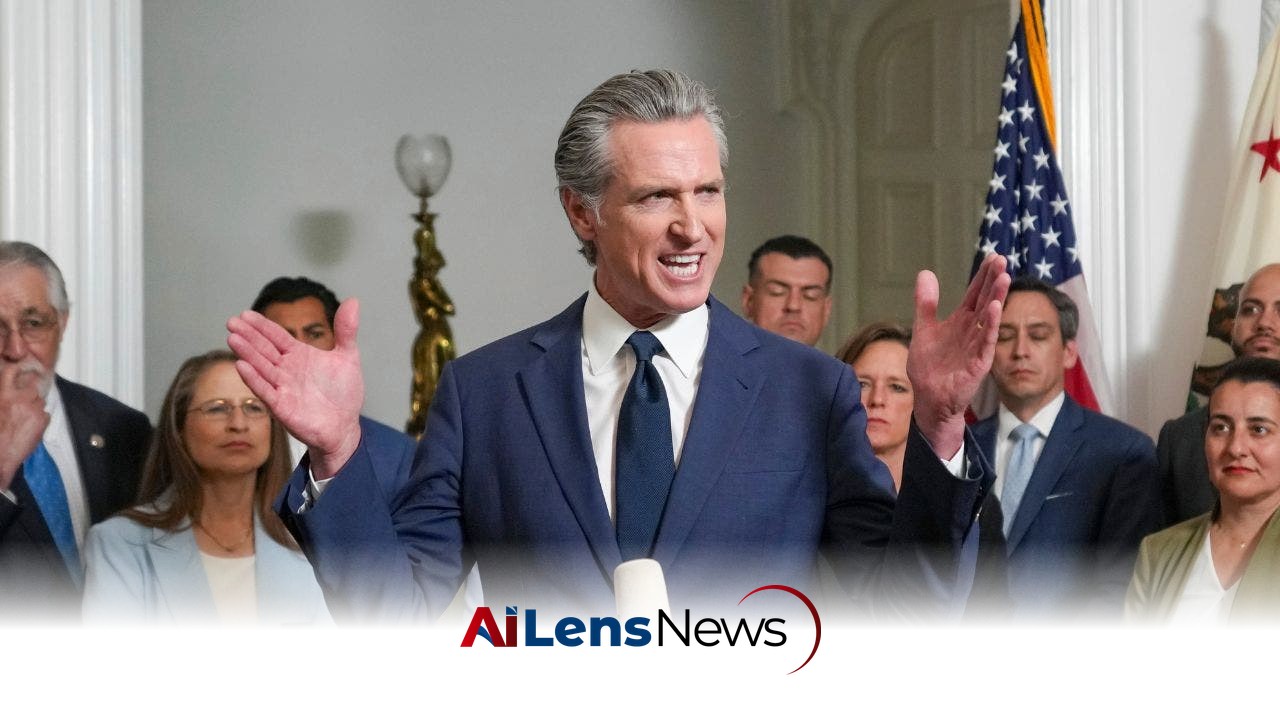
WOKE REBELLION: In California, a high school is standing firm against Governor Gavin Newsom's mandate to change its mascot, which references 'Indians.' This battle reflects the ongoing cultural tensions surrounding educational institutions and their representations. The controversy over school mascots is not new; it has been a focal point in discussions about cultural sensitivity and historical representation. Proponents of changing such mascots argue that they perpetuate stereotypes and contribute to a culture of racism, while opponents often view these changes as an infringement on tradition and free expression. This particular case highlights the challenges educational institutions face in balancing respect for cultural heritage with the need to create an inclusive environment for all students. The outcome of this dispute could set a precedent for how similar issues are addressed in schools across the nation.
The mascot debate is emblematic of larger societal conversations about race, identity, and representation. As educational institutions navigate these complex issues, they must consider the perspectives of all stakeholders, including students, parents, and community members. The challenge lies in finding a solution that honors cultural heritage while also promoting inclusivity and respect for all individuals.
This ongoing cultural reckoning is not limited to California; similar disputes have arisen across the country as schools grapple with how to represent their communities in a way that is both respectful and reflective of contemporary values. The outcomes of these discussions can have lasting effects on school culture, student engagement, and community relations.
CAMPUS RECKONING: Teachers who previously celebrated controversial political figures, such as Charlie Kirk, are now reportedly benefiting from taxpayer-funded settlements. This situation has sparked debates about accountability and the use of public funds in educational contexts. The settlements are often the result of lawsuits alleging that these educators engaged in misconduct or violated students' rights, raising critical questions about the responsibilities of school districts to protect their students while also ensuring that teachers are treated fairly. Critics argue that using taxpayer money to settle such disputes without transparency can lead to a lack of accountability, possibly encouraging further misconduct. This issue is emblematic of broader concerns about the governance of educational institutions and their commitment to ethical standards, which are essential for maintaining public confidence in the education system.
The use of public funds to settle disputes can create a perception of injustice, particularly among students and parents who feel that their concerns are not being adequately addressed. When educators are allowed to evade accountability through financial settlements, it can undermine trust in the educational system and discourage students from reporting misconduct. This situation calls for a reevaluation of how school districts handle allegations of misconduct and the processes in place to ensure that both students and educators are treated fairly.
Furthermore, the implications of this trend extend beyond individual cases; they reflect broader systemic issues within educational institutions. The need for transparent processes, clear accountability measures, and effective communication with stakeholders is paramount in restoring public trust and ensuring that educational environments are safe and conducive to learning.
CIVIC DISSENT: In Florida, a local board has voted to prohibit illegal immigrants from enrolling in public colleges. This decision is part of a broader trend of tightening immigration policies and their implications for educational access. Supporters of the policy argue that it is necessary to ensure that public resources are allocated to citizens and legal residents, while opponents contend that such measures disproportionately affect marginalized communities and hinder the educational aspirations of many young people. This policy reflects a growing divide in the national conversation about immigration, as states grapple with the implications of federal immigration laws. The decision has sparked protests and legal challenges, highlighting the contentious nature of immigration policy in the United States and its direct impact on education. This situation raises significant questions about the role of public education in promoting social equity and inclusion.
The decision to restrict access to public colleges for undocumented immigrants underscores the complexities of immigration policy and its intersection with education. As states adopt varying approaches to immigration, the educational landscape becomes increasingly fragmented, with some students facing barriers to higher education based on their immigration status. This fragmentation can exacerbate existing inequalities and limit opportunities for many young people seeking to improve their lives through education.
Moreover, the implications of such policies extend beyond individual students; they affect communities as a whole. When educational access is restricted, it can hinder economic mobility and perpetuate cycles of poverty, particularly in communities with high immigrant populations. The dialogue surrounding these policies is critical, as it shapes public perceptions of immigration and education and influences future policy decisions.
As these stories unfold, they highlight the complex interplay between education, politics, and societal values. The implications of these developments will likely resonate throughout the educational landscape for years to come. The intersection of educational policy and socio-political issues underscores the need for ongoing dialogue and reform in the education sector. Stakeholders, including educators, policymakers, and community members, must work collaboratively to address these challenges, ensuring that educational institutions serve their fundamental purpose: to educate and empower future generations. The future of education in America may depend on how these issues are navigated, as they will shape the experiences of students and the integrity of the educational system as a whole.
To learn more about the latest developments in Education News, stay updated with our exclusive reports and analyses on AiLensNews.

