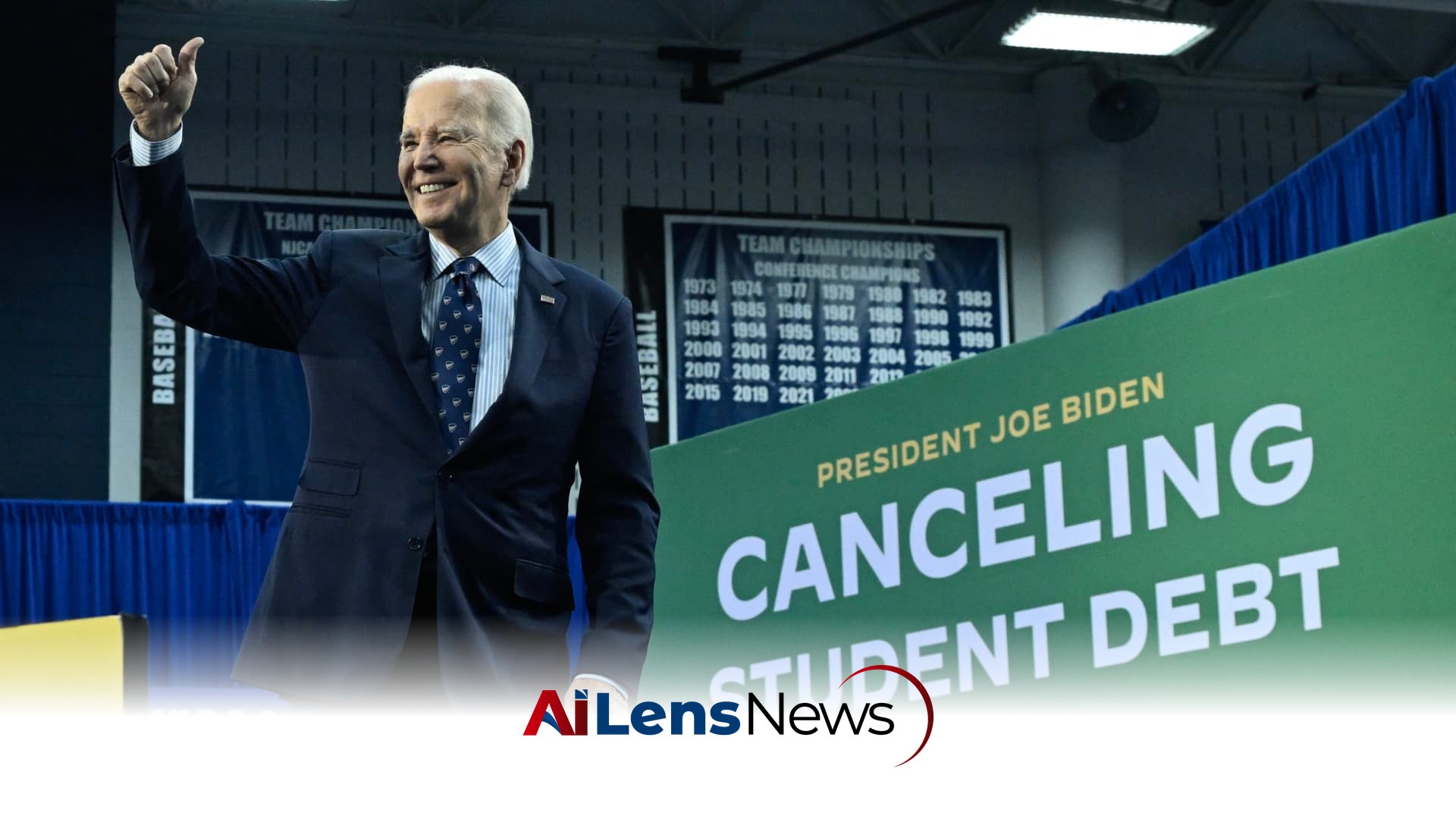


The Biden administration has unveiled a new proposal aimed at providing student loan forgiveness for millions grappling with severe financial hardship.
Washington DC, United States Oct 25, 2024 ALN: The Biden administration has introduced a significant proposal aimed at delivering student loan forgiveness to millions of borrowers facing severe financial hardship. This initiative is designed to provide relief to those who are struggling to manage their student debt amidst rising living costs and economic challenges. The student debt crisis in the United States has reached alarming levels, with over 44 million borrowers collectively owing more than $1.7 trillion. This debt burden has profound implications not only for individuals but also for the economy at large, as it affects consumer spending, home ownership, and overall financial stability.
The new plan focuses on creating a streamlined pathway for borrowers who are experiencing financial ruin. It aims to simplify the process of applying for loan forgiveness, making it more accessible for those in dire situations. This initiative is part of a broader effort to address the student debt crisis that has affected millions across the nation. The complexities of the existing loan forgiveness programs have often left borrowers confused and overwhelmed, leading to lower participation rates than anticipated. By simplifying the application process, the administration hopes to encourage more borrowers to seek the relief they desperately need.
Millions of borrowers are expected to benefit from this proposal. Specifically, those who have been unable to make payments due to financial distress will find new avenues for relief. The administration emphasizes that this plan is particularly aimed at individuals who have faced job loss, medical emergencies, or other significant financial setbacks. According to estimates, individuals in low-income brackets and those from marginalized communities are disproportionately affected by student debt, making this proposal especially critical for promoting equity and inclusion in higher education financing.
The announcement has garnered mixed reactions. Advocates for student debt relief have praised the administration's efforts to address the crisis, highlighting the importance of providing support to those who are struggling. They argue that this initiative is a step in the right direction toward alleviating the burden of student debt and promoting financial stability for millions of Americans. However, critics argue that the plan may not go far enough to tackle the underlying issues of rising tuition costs and the overall student debt burden. Some have expressed concern that without addressing the root causes of the crisis, such as the skyrocketing costs of higher education, any relief offered may only be temporary.
The student debt crisis has been a growing concern in the United States for decades. Rising tuition costs have outpaced inflation and wage growth, leading many students to rely on loans to finance their education. The average student loan debt for graduates has increased significantly over the years, with many borrowers facing a lifetime of repayment. This financial strain has led to a range of negative outcomes, including delayed home purchases, reduced retirement savings, and increased stress levels among borrowers. The COVID-19 pandemic further exacerbated these challenges, as many individuals faced job losses and economic instability, making it even more difficult to manage their student loans.
In recent years, several studies have highlighted the impact of student debt on various aspects of life. Research has shown that young adults burdened by student loans are more likely to delay major life decisions, such as marriage and starting a family. Additionally, the inability to pay off student loans can lead to mental health issues, as borrowers experience anxiety and depression due to financial stress. The repercussions of this crisis extend beyond individual borrowers, affecting the broader economy by limiting consumer spending and stifling economic growth.
As the Biden administration moves forward with this proposal, many borrowers are hopeful that this new path to loan forgiveness will provide much-needed relief. The initiative represents a significant step towards addressing the ongoing challenges of student debt in America. However, the long-term success of this plan will depend on its implementation and the willingness of the government to continue addressing the systemic issues within the higher education financing system. It remains to be seen how this proposal will impact future legislation and the broader conversation around education funding in the United States.
Furthermore, this proposal could pave the way for additional reforms in the student loan system, including potential changes to interest rates, repayment plans, and the overall structure of federal student loans. As discussions around student debt continue, the administration's actions will be closely monitored by both advocates and critics alike, as they seek to understand the implications of this proposal on the future of education financing in the country.
In the coming months, the administration is expected to release more details about the implementation of this plan, including specific eligibility criteria and the timeline for application processing. Stakeholders, including educational institutions, financial aid advisors, and advocacy groups, will likely play a key role in disseminating information to borrowers who may benefit from this initiative. The administration's commitment to transparency and communication will be crucial in ensuring that eligible borrowers are aware of their options and can effectively navigate the forgiveness process.
As the landscape of student debt relief continues to evolve, it is important for policymakers to engage with various stakeholders, including borrowers, educators, and financial experts, to create a comprehensive approach to addressing the student debt crisis. This includes not only providing immediate relief but also developing sustainable solutions that tackle the root causes of rising tuition costs and promote long-term financial literacy among students.
Ultimately, the success of the Biden administration's latest proposal will depend on its ability to resonate with borrowers and address their needs. As the nation grapples with the implications of student debt, the administration's actions will be closely scrutinized, and the outcomes will likely shape the future of higher education financing in the United States for years to come.
To learn more about the latest developments in Education News, stay updated with our exclusive reports and analyses on AiLensNews.

