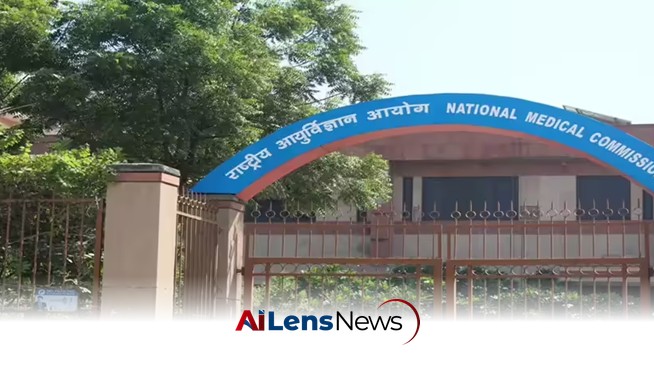


The National Medical Commission has approved an increase of fifty MBBS seats at Government Medical College Srinagar, raising the total intake to 250 students starting in the 2026-27 academic year.
New Delhi, India Jul 11, 2026 ALN: The National Medical Commission (NMC) has officially approved the addition of fifty new MBBS seats at the Government Medical College (GMC) Srinagar. This significant increase will elevate the annual intake of medical students from 200 to 250, starting in the academic year 2026-27. This decision not only marks a pivotal moment for GMC Srinagar but also reflects a broader commitment to enhancing the medical landscape in Jammu and Kashmir.
The approval for these additional seats comes on the heels of a similar increase that was sanctioned just last year. This pattern of expansion indicates a sustained effort on the part of the NMC and local authorities to address the pressing need for more healthcare professionals in the region. The decision is part of a comprehensive strategy aimed at improving medical training opportunities and ultimately healthcare services in Jammu and Kashmir, a region that has historically faced various healthcare challenges.
Healthcare in Jammu and Kashmir has been a subject of concern for many years, with the region grappling with issues such as inadequate medical facilities, a shortage of trained healthcare professionals, and geographical barriers that complicate access to medical services. The increase in MBBS seats is expected to address these challenges directly by increasing the number of trained medical practitioners available to serve the local population. The NMC's initiative to augment the intake of medical students is a proactive response to the growing demand for healthcare services, particularly in underserved areas.
The healthcare challenges in Jammu and Kashmir can be traced back to various factors, including the region's topography and socio-political climate. The rugged mountainous terrain often makes it difficult for healthcare providers to reach remote communities, leading to disparities in health outcomes. Additionally, the long-standing conflict in the region has resulted in a strained healthcare infrastructure, making it imperative for local authorities and the government to take decisive action to improve medical services.
In addition to the increase in MBBS seats, the move aligns with the government's broader efforts to bolster medical infrastructure throughout the region. This includes not only enhancing the number of medical seats but also improving existing facilities, increasing the availability of medical resources, and ensuring that students receive quality training. GMC Srinagar, with its historical significance and reputation, is poised to play a crucial role in shaping the future of healthcare in Jammu and Kashmir, serving as a vital institution for aspiring medical professionals.
Moreover, the expansion of medical at GMC Srinagar is expected to have several positive implications for the local economy and community. By training more doctors, the initiative can contribute to job creation, not only for the medical professionals themselves but also for ancillary services that support healthcare delivery. This can lead to improved health outcomes for the population, which is particularly important in a region where healthcare access has been a longstanding issue.
The implications of this expansion extend beyond immediate healthcare needs. With more medical graduates entering the workforce, there is potential for innovation and improvement within the healthcare system. Trained professionals can introduce new practices, improve patient care, and contribute to research that addresses local health concerns. Furthermore, an increase in medical professionals can also help in community health initiatives, preventive care, and outreach programs, which are essential for improving overall health indices in the region.
As the academic year approaches, prospective medical students and their families will be keenly watching the developments at GMC Srinagar, eager to seize the opportunities that this expansion presents. The increase in seats not only provides more students with the chance to pursue their dreams of becoming doctors but also instills hope for a future where healthcare challenges in the region can be more effectively addressed.
It is also important to consider the long-term impact of such initiatives. The NMC's decision to increase MBBS seats is indicative of a larger trend towards prioritizing medical in , particularly in regions that have been historically underserved. By investing in medical training, the government is not only addressing immediate healthcare needs but is also laying the groundwork for a more robust healthcare system in the future. This is crucial for a country where the demand for healthcare services continues to rise due to population growth and changing health dynamics.
The expansion of medical seats at GMC Srinagar is also part of a nationwide movement aimed at increasing the number of healthcare professionals in response to the global health challenges highlighted by the COVID-19 pandemic. The pandemic underscored the importance of having a well-trained healthcare workforce capable of responding to public health emergencies. As such, initiatives like the one at GMC Srinagar are timely and necessary to fortify the healthcare system.
In conclusion, the approval of fifty additional MBBS seats at GMC Srinagar represents a significant step towards enhancing medical and healthcare services in Jammu and Kashmir. It is a reflection of the ongoing commitment to improve the quality of healthcare in the region, ensuring that more students have access to quality medical training and, ultimately, improving health outcomes for the local population. As GMC Srinagar prepares for this new chapter, the eyes of aspiring medical students and the community will be focused on the opportunities that lie ahead, with the hope that this expansion will lead to a healthier future for all. The decision not only addresses the immediate need for more medical professionals but also sets the stage for a sustainable healthcare framework that can adapt to the evolving needs of the population.
To learn more about the latest developments in Higher Education, stay updated with our exclusive reports and analyses on AiLensNews.

