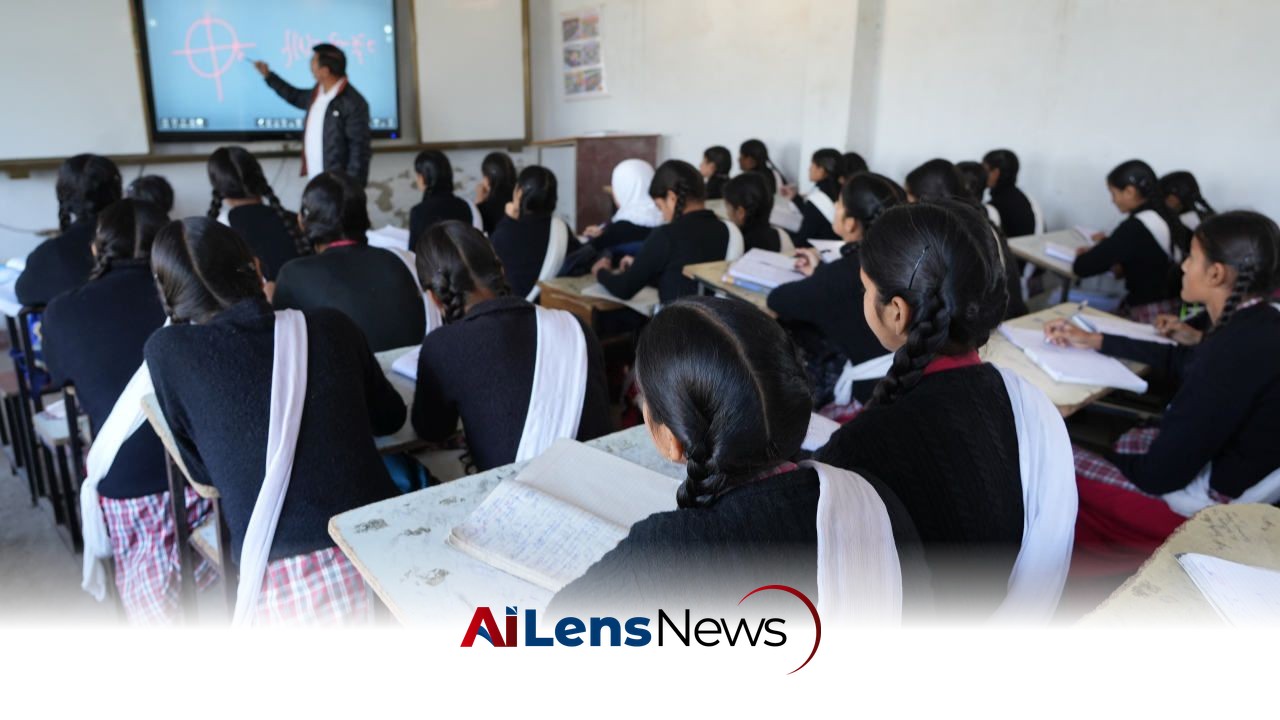


Shimla: Himachal Pradesh's education sector is experiencing a paradox of strong infrastructure yet declining student enrolment, as highlighted in the UDISE+ 2025-26 report.
New Delhi, India Jul 10, 2026 ALN: Shimla: Himachal Pradesh’s education sector is witnessing a striking contrast between robust school infrastructure and steadily declining student enrolment, according to the UDISE+ 2025-26 report released by the Union Ministry of Education. While the state continues to rank among the best in terms of educational facilities and teacher availability, shrinking classrooms are emerging as a major policy challenge.
The report reveals that Himachal Pradesh has an average of only 72 students per school, which is less than half the national average of 169 students. Among Indian states and Union Territories, only a few sparsely populated mountainous regions such as Ladakh and Mizoram report lower student numbers per school. This stark statistic highlights a significant issue that has implications not only for the educational sector but also for the socio-economic landscape of the region.
The findings indicate that the state’s challenge is no longer the expansion of educational institutions but ensuring the efficient utilization of its existing schools and teaching resources. With the current trend of declining enrolment, the focus must shift towards optimizing the use of the facilities already in place.
The report highlights the extent of the enrolment decline, with nearly 49 percent of schools in Himachal enrolling fewer than 30 students. This alarming statistic raises questions about the viability of maintaining such a large number of schools in areas where student populations are dwindling.
According to the data:
These figures point to a growing number of underutilized schools across the state, particularly in rural and remote areas. The implications of this trend are significant, as maintaining these schools requires resources that could potentially be redirected to enhance educational quality in more populated areas.
Education experts attribute the trend to several demographic and social factors, including a declining birth rate, migration from villages to urban centres, the growing preference for smaller families, and an increasing shift of parents towards private schools. The migration trend is particularly concerning, as it not only affects school enrolment but also the overall demographic balance of rural communities, leading to a potential loss of cultural heritage and local identity.
Despite the falling enrolment, Himachal Pradesh has continued to strengthen its educational infrastructure, particularly in digital learning. The UDISE+ report states that 16,976 schools have computer facilities, while 16,709 schools possess functional computers used for teaching. In addition, 14,522 schools are connected to the internet, reflecting the state’s sustained investment in digital education.
The availability of these facilities places Himachal among the better-equipped states in terms of school infrastructure. However, the challenge remains to ensure that these resources are effectively utilized. As digital literacy becomes increasingly important in the modern economy, the state must find ways to engage students and encourage them to take advantage of the technological tools available.
The report also highlights Himachal’s strong human resource base in education. The state has approximately 14 lakhs students, 103,000 teachers, and 17,064 schools, resulting in a Pupil-Teacher Ratio (PTR) of 14:1, significantly better than the national average of 24:1. A lower PTR means students generally receive greater access to teachers and more individual attention.
However, experts note that maintaining such a large network of schools and teachers amid declining enrolment presents financial and administrative challenges. With fewer students to support the existing infrastructure, there is a growing concern about the sustainability of funding for education. The state government may need to explore innovative funding models or partnerships with private entities to ensure that educational standards do not decline.
The UDISE+ report suggests that Himachal Pradesh has reached a stage where school infrastructure has outpaced student demand. Rather than establishing new schools, the focus is likely to shift towards optimizing educational resources, rationalizing schools with very low enrolment, and ensuring efficient deployment of teachers without compromising access to quality education, especially in remote hill areas. This may involve consolidating schools or merging smaller institutions to create more robust educational environments.
The report underscores that demographic changes are reshaping the state’s education landscape. While Himachal has successfully built a strong educational ecosystem over the years, declining student numbers now require a new approach to planning and managing the school system. Policymakers will need to engage in strategic planning that considers future demographic trends, potential shifts in population, and the evolving needs of students and families.
Furthermore, the implications of declining enrolment extend beyond the education sector. A decrease in student numbers can affect local economies, as schools often serve as community hubs that provide jobs and support local businesses. In rural areas, schools are essential for maintaining community cohesion and providing families with the resources they need to thrive. As such, addressing the issue of declining enrolment is not just an educational challenge but a broader socio-economic concern that requires a holistic approach.
In conclusion, while Himachal Pradesh has made significant strides in building a strong educational infrastructure and maintaining a favorable teacher-student ratio, the ongoing decline in school enrolment presents a pressing challenge. The state must adapt its educational strategies to ensure that resources are effectively utilized and that all students have access to quality education. This will require collaboration among government officials, educators, and community leaders to create a sustainable educational environment that meets the needs of future generations.
To learn more about the latest developments in Education News, stay updated with our exclusive reports and analyses on AiLensNews.

