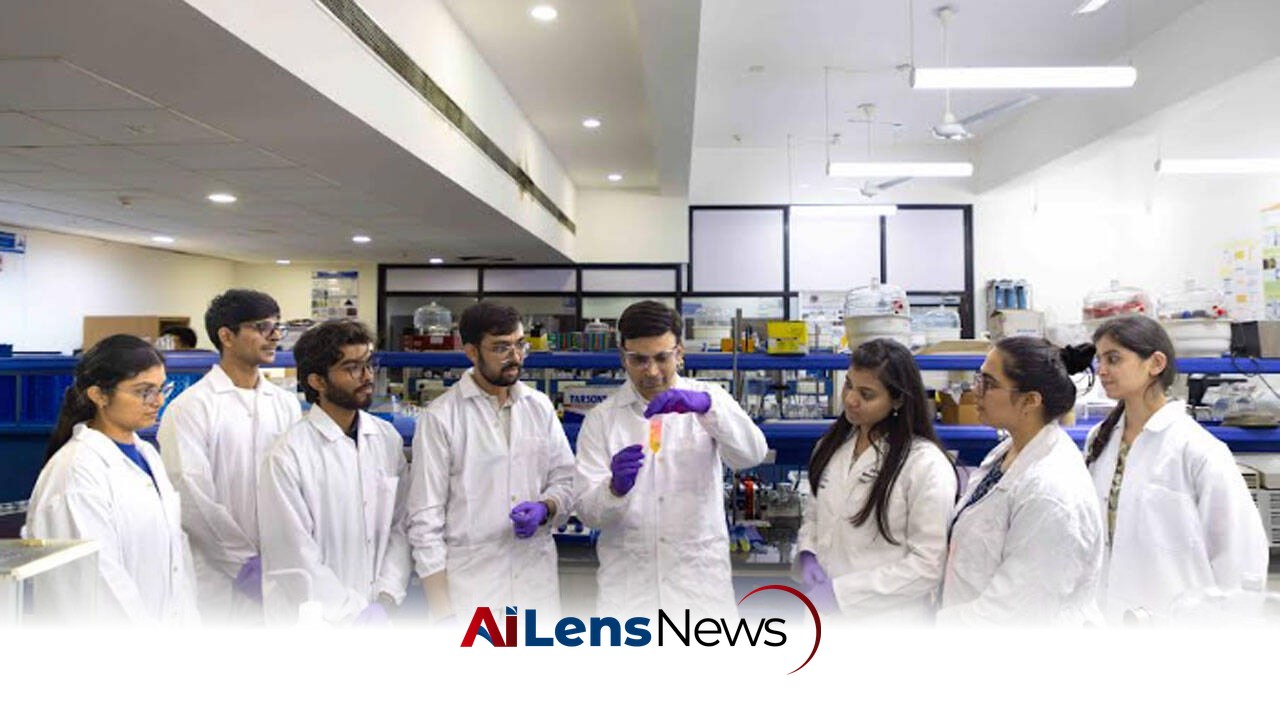


IIT Gandhinagar allows BTech students to earn credits through a full semester in industry, enhancing their practical skills and career readiness.
New Delhi, India Jul 6, 2026 ALN: IIT Gandhinagar is redefining engineering by allowing BTech students to spend an entire semester working in various sectors, including industry, research labs, academic institutions, or startups, while earning academic credits. This innovative approach marks a significant departure from traditional internships, providing a structured, credit-bearing program that integrates real-world experience into the undergraduate curriculum. The initiative reflects a growing recognition of the need for al institutions to adapt to the evolving demands of the job market and prepare students for the complexities of modern careers.
Unlike conventional internships that often occupy a shorter duration, this semester-long initiative enables students to immerse themselves fully in professional environments. Traditional internships generally last from a few weeks to a couple of months, often limiting the depth of experience and learning opportunities available to students. In contrast, the semester-long engagement allows for a more comprehensive integration of academic theory with practical application. This is designed to ensure that their academic progress remains uninterrupted, allowing them to graduate on time while gaining invaluable experience that is directly applicable to their future careers.
The initiative is aligned with the National Policy (NEP) 2020, which emphasizes the importance of experiential learning and skill development in higher . NEP 2020 aims to transform the n al landscape by promoting a holistic and multidisciplinary approach to learning. By integrating practical experiences into the curriculum, IIT Gandhinagar aims to equip students with essential skills that are increasingly demanded in today’s job market. The policy encourages institutions to move away from rote learning and towards a system that fosters critical thinking, creativity, and problem-solving skills.
This program not only enhances students' technical skills but also provides them with workplace exposure and insights into various career paths. Students will have the opportunity to work closely with industry professionals, engage in real-world projects, and develop a deeper understanding of their chosen fields. This hands-on experience is invaluable, as it allows students to apply theoretical knowledge in practical settings, thereby reinforcing their learning and making it more relevant to their future roles in the workforce.
The flexible model introduced by IIT Gandhinagar could potentially reshape how engineering is delivered. It encourages students to take ownership of their learning experiences, fostering a culture of self-directed learning and professional development. This approach aligns with contemporary al philosophies that advocate for student-centered learning, where learners are active participants in their al journeys rather than passive recipients of information.
Through this initiative, students can tailor their academic journeys to align with their career aspirations, making them more competitive in the job market. The program is expected to attract a diverse range of participants, from those interested in startups to those looking to gain experience in established industries. This diversity can enrich the learning experience for all students involved, as they share insights and perspectives from different sectors and organizational cultures.
The implications of such a program extend beyond individual students; they also have the potential to influence the broader al landscape in . As more institutions adopt similar models, there may be a shift in how engineering and technical is perceived. Employers are increasingly looking for candidates who possess not only technical knowledge but also soft skills such as communication, teamwork, and adaptability. By providing students with opportunities to develop these skills in real-world settings, IIT Gandhinagar is positioning its graduates as attractive candidates in a competitive job market.
Moreover, this initiative could also foster stronger partnerships between al institutions and industries. By collaborating closely with businesses, universities can ensure that their curricula remain relevant and aligned with industry needs. This synergy can lead to more effective training programs that prepare students not just for their first job, but for long-term career success.
While the program presents numerous advantages, it is not without challenges. Ensuring that all students have access to quality placements in reputable organizations is crucial. There may be disparities in the availability of opportunities, particularly for students from underrepresented backgrounds. Institutions will need to actively seek partnerships with a variety of organizations to provide equitable access to all students.
Additionally, the assessment of student performance during these semester-long placements poses a challenge. Developing a robust evaluation framework that accurately reflects both the learning outcomes and the contributions made by students in their placements will be essential. This may require the collaboration of academic staff and industry supervisors to create meaningful assessment criteria.
IIT Gandhinagar's initiative represents a forward-thinking approach to engineering , blending academic learning with practical experience. By allowing BTech students to earn credits through a full semester in industry, the institution is setting a new standard for how engineering programs can prepare students for the challenges of the modern workforce. This innovative model not only enhances the employability of graduates but also contributes to the overall improvement of al standards in . As al institutions continue to explore ways to integrate real-world experiences into their curricula, initiatives like this may serve as a blueprint for future developments in higher .
To learn more about the latest developments in Jobs & Careers, stay updated with our exclusive reports and analyses on AiLensNews.

