

S&P Global Ratings warns that a weak monsoon could reduce farm incomes and increase inflation, affecting rural demand and credit growth in India.
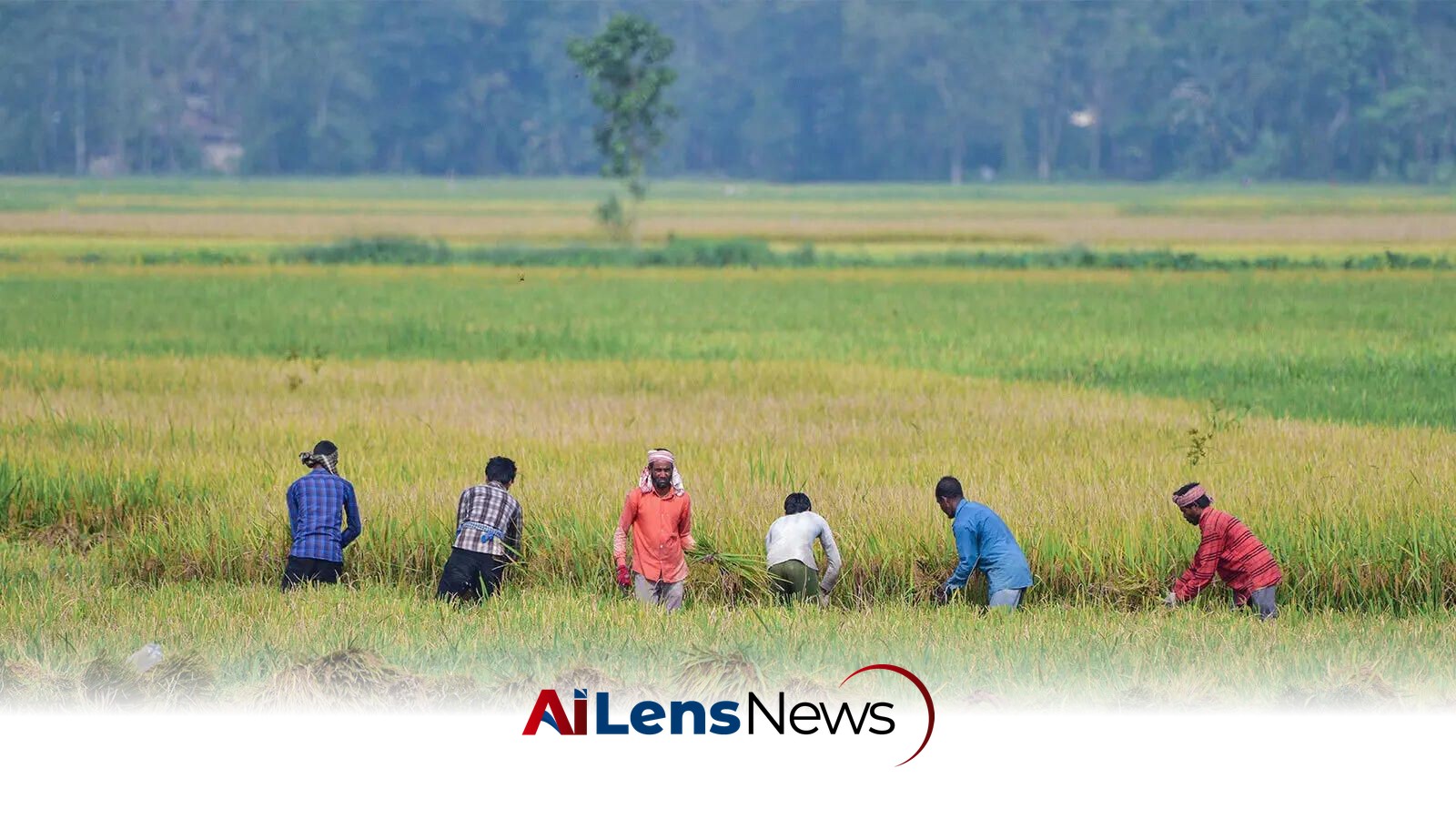
New Delhi, India Jul 10, 2026 ALN: Mumbai: A weak southwest monsoon could weigh on India's rural in the coming months by reducing farm incomes, pushing up inflation, and slowing rural demand, according to a report by S&P Global Ratings. The southwest monsoon, which typically occurs from June to September, is crucial for India's agricultural sector, as it accounts for about 60% of the country’s annual rainfall. A significant portion of India's population, especially in rural areas, relies on agriculture for their livelihoods, making the monsoon season a critical period for activity.
The report indicated that sectors such as agriculture, agrochemicals, tractors, two-wheelers, and microfinance are likely to be the most affected if rainfall remains below normal. Agriculture is the backbone of the rural , and any disruption in this sector can have cascading effects on various allied industries. For instance, reduced agricultural output can lead to a decline in demand for agrochemicals, which are essential for crop production, as farmers may cut back on spending in response to lower expected incomes. Similarly, sales of tractors and two-wheelers, which are often purchased by farmers for agricultural purposes, may decline significantly.
"India's rural sector faces a dual threat: an unusually dry southwest monsoon and higher agro-input costs driven by geopolitical conflict. The agricultural sector is the most exposed, in S&P Global Ratings' view," the report stated.
The implications of a weak monsoon extend beyond just agricultural output. Lower crop yields could diminish farmers' incomes, leading to higher food prices and weaker demand for rural-focused products such as tractors and two-wheelers. This reduction in income can create a cycle of stress in rural areas, where many families already live on tight budgets. As farmers earn less, they may delay or forgo purchases of non-essential goods, further stifling activity in rural markets.
According to the report, a weak monsoon could also increase inflation, dampen rural consumption, and put pressure on government finances. Rising food prices can contribute to overall inflationary pressures, affecting not only rural consumers but also urban populations. The government may face challenges in managing inflation and ensuring food security, which could lead to increased spending on subsidies and other support measures for affected farmers.
Additionally, the report noted that hydroelectric power generation could decline by 10-15 percent under such a scenario. This reduction in hydroelectric output could exacerbate energy shortages, particularly in rural areas that rely on this form of energy for irrigation and other agricultural activities. The combination of lower agricultural productivity and energy shortages could create a challenging environment for rural development.
The report also flagged risks for the financial sector, indicating that banks may experience slower credit growth and a modest deterioration in asset quality, though the overall impact on earnings is expected to be limited. Banks typically extend credit to farmers and rural businesses, and a decline in agricultural income could lead to increased defaults on loans, particularly in regions heavily dependent on agriculture.
However, microfinance institutions (MFIs) are likely to face greater pressure due to their higher exposure to rural borrowers and relatively weaker borrower profiles. MFIs often serve low-income individuals who may lack access to traditional banking services, making them more vulnerable to shocks. The report suggests that these institutions could see an uptick in non-performing loans as rural borrowers struggle to meet their repayment obligations in the face of reduced incomes.
Despite these risks, S&P Global Ratings asserted that India's financial system remains resilient. The diversity of the Indian , which has seen growth in various non-agricultural sectors such as technology, services, and manufacturing, could help mitigate some of the negative impacts of a weak monsoon. The resilience of the financial system is also bolstered by regulatory measures and capital buffers that banks have in place, which can help absorb shocks from deteriorating asset quality.
"Microfinance institutions (MFIs) are more vulnerable than banks, and we anticipate a dip in agriculture-linked asset quality. Still, there are offsetting factors. Other non-agricultural growth engines are emerging in India, and the financial system remains resilient," said Geeta Chugh, Credit Analyst at S&P Global Ratings.
The report concluded that although a weak monsoon could affect several rural-linked sectors, stronger non-agricultural growth and the resilience of the financial system are expected to help limit broader risks. The emergence of new sectors and industries can provide alternative sources of income and employment for rural populations, potentially offsetting the adverse effects of agricultural downturns.
In summary, the potential impact of a weak southwest monsoon on India's rural is multifaceted, affecting agricultural productivity, inflation, rural demand, and the financial sector. Policymakers and stakeholders in the agricultural and financial sectors will need to closely monitor weather patterns and indicators to navigate the challenges posed by a weak monsoon. Proactive measures, such as enhancing irrigation infrastructure, providing financial support to affected farmers, and promoting diversification into non-agricultural activities, may be essential to mitigate the adverse effects of a poor monsoon season and ensure the stability of the rural .
To understand the broader implications of a weak monsoon, it is essential to consider the historical context of India's dependency on monsoon rains. The Indian agricultural sector is characterized by a significant reliance on rain-fed irrigation, particularly in states such as Punjab, Haryana, and Maharashtra. These regions contribute substantially to the national food grain production and are critically dependent on the timely arrival and distribution of monsoon rains. Any deviation from normal rainfall patterns can disrupt the planting and harvesting cycles, leading to reduced yields and increased vulnerability for farmers.
Moreover, the socio- fabric of rural India is intricately linked to agricultural performance. Rural households often depend on agriculture not just for their livelihood but also for their social standing and community interactions. A weak monsoon can lead to a decline in rural incomes, which may result in increased migration to urban areas as families seek better opportunities. This urban migration can exacerbate problems in cities, such as overcrowding and increased competition for jobs, further complicating the landscape.
Additionally, the impact of a weak monsoon can extend to food security. India has made significant strides in reducing poverty and improving nutrition over the past few decades, but a poor monsoon can threaten these gains. Higher food prices can lead to increased malnutrition rates, particularly among vulnerable populations such as children and the elderly. This can create a cycle of poverty that is difficult to break, as families may have to divert funds from education and healthcare to meet basic food needs.
Furthermore, the implications of a weak monsoon are not limited to the immediate effects. Environmental concerns, such as soil degradation and water scarcity, can be exacerbated by erratic rainfall patterns. Farmers may resort to unsustainable practices to cope with reduced water availability, leading to long-term consequences for soil health and agricultural productivity. Addressing these environmental issues will require concerted efforts from both the government and the agricultural sector to promote sustainable farming practices and improve water management systems.
In light of these challenges, it is crucial for policymakers to adopt a multi-faceted approach to mitigate the potential impacts of a weak monsoon. This could include investing in weather forecasting technology to provide farmers with timely information about rainfall patterns, enhancing irrigation infrastructure to reduce dependency on monsoon rains, and implementing social safety nets to support vulnerable populations during periods of agricultural distress. By taking proactive measures, India can work towards building a more resilient agricultural sector that is better equipped to withstand the challenges posed by climate variability and ensure food security for its growing population.
To learn more about the latest developments in Macroeconomics, stay updated with our exclusive reports and analyses on AiLensNews.

