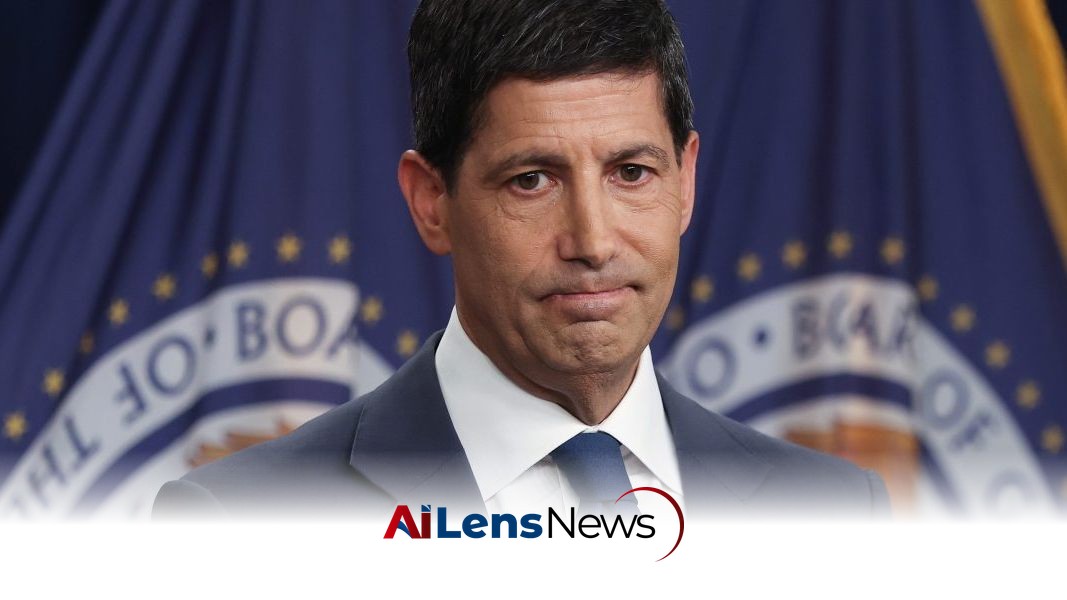


Federal Reserve Chairman Kevin Warsh is contemplating decreasing the number of scheduled policy meetings, currently held eight times a year, amid investor criticism.
Washington DC, United States Aug 1, 2026 ALN: Federal Reserve Chairman Kevin Warsh is considering a significant shift in the operational structure of the central bank by proposing to reduce the frequency of its scheduled policy meetings. This proposal was brought to light during a recent gathering of the Federal Open Market Committee (FOMC), as reported by the New York Times. The FOMC is the body responsible for overseeing the nation's monetary policy, and its meetings are critical for setting interest rates and discussing economic conditions.
Currently, the Federal Reserve holds eight meetings each year, typically spanning two days, during which policymakers deliberate on economic conditions and make decisions regarding the federal funds rate. A reduction in the number of these meetings would represent a notable departure from the established practice of the Fed, especially at a time when there is considerable scrutiny on Warsh's leadership and the Fed's strategies to manage inflation.
Warsh's proposal comes amid growing criticism from investors who have expressed concerns about his approach to communicating with the markets. Many market participants have noted that limiting guidance on the Fed's future interest rate decisions could lead to increased uncertainty, particularly as inflation remains a pressing issue. The Fed is under intense pressure to take decisive action to curb rising prices, which have been affecting consumers and businesses alike.
In the most recent FOMC meeting, the committee voted 9-3 to maintain the current interest rates, a decision that was largely anticipated by analysts. However, the aftermath of the meeting saw a degree of discontent among investors, particularly because Warsh refrained from elaborating on the rationale behind the decision or indicating whether he would support raising rates if inflation does not show signs of abating. This lack of clarity has added to the challenges faced by the Fed in managing market expectations.
Since assuming the role of Fed Chairman in May, Warsh has indicated his intention to implement various changes within the central bank. Apart from the potential reduction in meeting frequency, he has also suggested limiting the number of press conferences held after policy decisions. This would further alter the communication dynamics between the Fed and the public, which could have implications for market stability and investor confidence.
In addition to these proposals, Warsh announced the establishment of five task forces aimed at exploring possible changes in the Fed's monetary policy approach. These task forces will focus on various aspects, including communications strategies, data analysis, and the management of the Fed's balance sheet. The outcomes of these task forces could lead to a reevaluation of how the Fed conducts its operations and interacts with the markets.
During his Senate confirmation hearing in April, Warsh faced questions regarding his commitment to maintaining a minimum of four FOMC meetings per year, as mandated by statute. He acknowledged that while the law requires at least four meetings, he believes that having more frequent meetings is appropriate for effective governance of monetary policy. However, he also noted that he had not yet begun to assess the meeting schedules for future years, including 2027 and beyond.
The Fed has already outlined its meeting schedule for the remainder of 2026, with sessions planned for September, October, and December. Additionally, meetings have been tentatively scheduled for 2027. It's important to note that each meeting date is subject to confirmation at the preceding meeting, a practice that predates Warsh's tenure as chairman.
According to the FOMC's rules of procedure, the committee is required to meet at least four times annually in Washington, D.C. However, meetings can be convened more frequently at the discretion of the Chair or upon the request of three committee members. This flexibility allows the Fed to respond to urgent economic conditions, a practice that has been utilized during periods of significant market volatility, such as the onset of the COVID-19 pandemic in 2020.
The FOMC is composed of 12 members, including the seven officials from the Fed's Board of Governors in Washington, the president of the New York Fed, who serves as the committee's vice chair, and four of the 12 presidents from the regional Fed banks. The rotation of voting members among the regional banks adds an important dimension to the decision-making process, as it incorporates a diverse range of economic perspectives from across the country.
As the Fed navigates the complexities of current economic conditions, Warsh's proposal to reduce meeting frequency could have far-reaching implications. A decrease in the number of meetings may streamline decision-making processes but could also raise concerns about the Fed's responsiveness to rapidly changing economic indicators. Investors often rely on the Fed's guidance to inform their strategies, and any reduction in communication could lead to increased market volatility.
Moreover, the broader context of the Fed's role in managing inflation cannot be overlooked. With inflation rates reaching levels not seen in decades, the central bank's actions are under intense scrutiny from both policymakers and the public. The Fed's credibility is crucial in maintaining economic stability, and any perceived retreat from proactive engagement could undermine confidence in its ability to effectively tackle inflationary pressures.
In conclusion, as Warsh contemplates changes to the frequency of FOMC meetings, the implications of such a decision will require careful consideration. Balancing the need for efficient decision-making with the necessity of maintaining clear communication with markets and the public will be paramount as the Fed continues to navigate the challenges of an evolving economic landscape. The coming months will likely reveal how these discussions unfold and what impact they may have on the Fed's operational framework and monetary policy effectiveness.
To learn more about the latest developments in Economic Reports, stay updated with our exclusive reports and analyses on AiLensNews.

