

As record heat grips Europe and Asia, concerns rise over potential natural gas shortages this winter due to the Iran war and supply disruptions.
Washington DC, United States Jul 28, 2026 ALN: As Europe and much of Asia suffer through record heat waves, fears are already shifting to the upcoming winter, with shortfalls of natural gas and electricity price spikes anticipated as a result of the war in Iran and Middle East supply outages. The geopolitical landscape in the region, which has long been a focal point for energy supply, has become increasingly unstable, leading to significant implications for global energy markets.
The war broke out at the end of February—fortuitously avoiding disrupting the previous winter—but Qatari liquefied natural gas (LNG) outages coupled with higher-than-usual summer demand have kept import-dependent nations from adequately replenishing their natural gas storage ahead of the looming winter months. The situation is exacerbated by a combination of factors, including a surge in demand from countries recovering from the COVID-19 pandemic and the ongoing energy transition that has left many nations seeking cleaner alternatives while still relying heavily on natural gas.
Prices already are surging and the competition for cargoes is escalating. This spike in demand has been particularly pronounced in Europe, where countries are grappling with the dual challenge of energy security and the need to reduce reliance on fossil fuels. “It’s pretty dire. It’s going to be a tough winter, period,” said David Lewis, senior analyst for gas and LNG at the Wood Mackenzie energy research firm. “Europe and Asia probably got into a false sense of security in March, April, and May when the weather was very favorable.”
The winter months will create strong gas demand for heating, with limited LNG cargoes available, forcing European, Asian, and North African countries such as Egypt to outbid one another for shipments, creating larger price spikes. Just this past week, natural gas pricing in the well-supplied U.S. remained relatively flat while spot prices in Europe spiked by nearly 26%, according to the Rystad Energy research firm. The European benchmark for natural gas prices was more than seven times as high as that of the U.S., and European spot prices already were more than 50% above their June lows. This disparity highlights the growing divide between regions in terms of energy affordability and security.
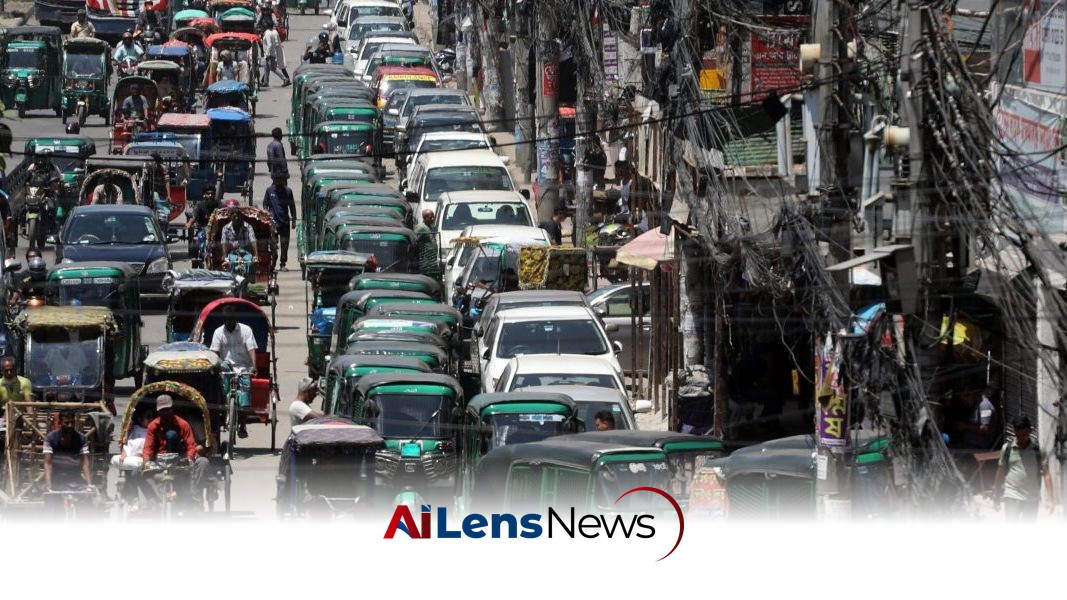
The biggest losers, Lewis told , may be southeastern Asian nations such as Bangladesh and Pakistan that have steep gas shortages and cannot afford to outbid European countries. While Europe will face large price hikes—although not as bad as in 2022 following the Russian invasion of Ukraine—some Asian nations could suffer temporary grid failures. The implications of such failures could be severe, affecting not only the economy but also the daily lives of millions who depend on stable energy supplies for heating, cooking, and other essential services.
Europe is still “approaching energy crisis territory,” according to Wood Mackenzie, and Europe’s projected shortfall coincides with plans to further ban Russian LNG supplies just when those volumes might be needed most. The European Union has been striving to reduce its dependency on Russian energy sources since the onset of the conflict in Ukraine, but this transition has come with its own set of challenges, particularly in the context of rising global energy prices.
European gas storage levels are just above 50% of capacity, which is historically low for late July. Wood Mackenzie’s “best-case scenario” is for Europe to have replenished its storage to 75% of capacity by November, which is the point at which storage is supposed to be at least 90% filled. The urgency of the situation is further compounded by the fact that winter demand can vary significantly based on weather patterns, making it difficult to predict how much gas will be needed to meet heating requirements.
Lewis said northwestern European countries such as Germany and the Netherlands are looking at even sharper shortfalls now, even though Europe is nearly 20% less dependent on natural gas for electricity than it was five years ago. On the other side of the coin, there also is less coal-fired power to switch to during times of gas shortages. This reduction in coal usage is part of Europe’s broader strategy to transition to renewable energy sources, but it also means that the continent has fewer fallback options in times of crisis.
“So you just pay more and take the cargoes away from Asia essentially,” Lewis said. “In extreme circumstances, the governing body would have to start rationing gas.” The prospect of gas rationing is a troubling one, as it would require governments to make difficult decisions about which sectors of the economy would receive priority access to energy supplies. Such decisions could lead to significant economic disruptions and social unrest, particularly in regions that are already vulnerable.
While most of the focus in the Middle East is on crude oil disruptions, Qatar is one of the world’s top three LNG exporters along with the U.S. and Australia. Qatar suffered serious LNG infrastructure damage early in the war, and those supplies are unlikely to be restored until late 2027. In addition, with the Strait of Hormuz remaining largely closed, even operational LNG cargoes from Qatar are struggling to exit, keeping European and Asian nations from refilling their storage volumes more quickly. The geopolitical implications of this situation are profound, as countries look to secure alternative sources of energy in an increasingly competitive global market.
“We’ve gone past the threshold where it’s just a short-term [price] spike,” Lewis said. The question now is how many winters will be disrupted. “This can permeate between two or three years into the future.” The long-term ramifications of this energy crisis could reshape global energy markets, as countries reassess their energy strategies in light of the ongoing volatility. As nations scramble to secure their energy supplies, they may also accelerate investments in renewable energy and alternative technologies, potentially leading to a significant shift in the global energy landscape.
To learn more about the latest developments in Inflation & Prices, stay updated with our exclusive reports and analyses on AiLensNews.

