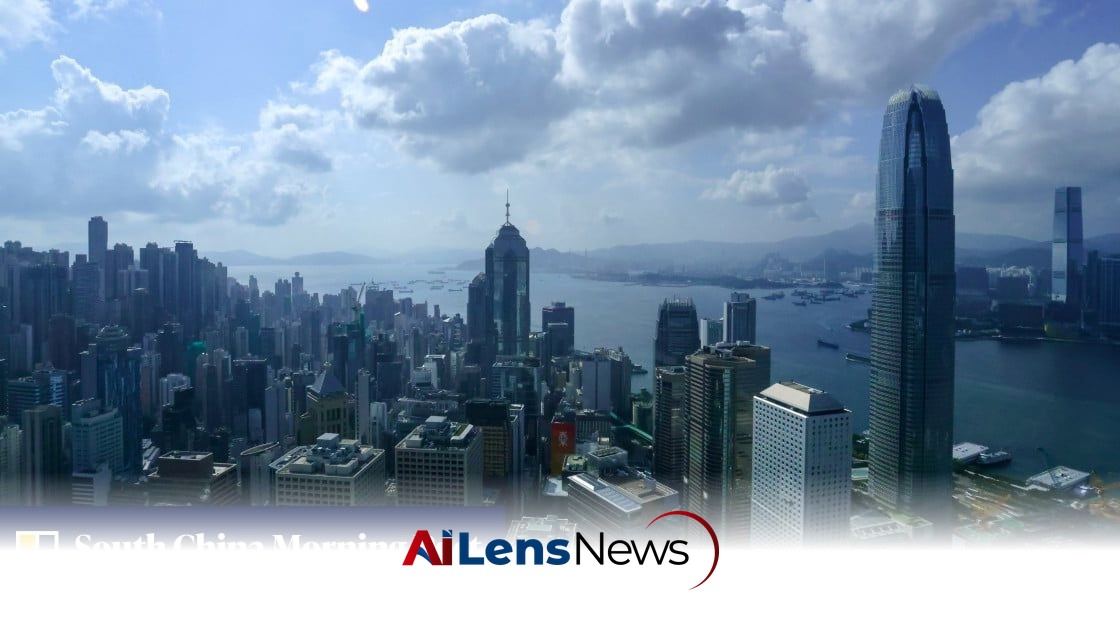


Hong Kong is enhancing its stock market's focus on technology to rival Nasdaq, as mainland Chinese firms prepare for listings in the city.
London, United Kingdom Aug 12, 2026 ALN: Hong Kong is undertaking significant initiatives to enhance its stock market's representation of the technology sector, as it seeks to position itself competitively within the rapidly evolving global landscape of artificial intelligence (AI). This strategic push comes at a time when AI technologies are gaining unprecedented traction, influencing various sectors and reshaping market dynamics worldwide.
Historically, Hong Kong's stock market has been characterized by its heavy reliance on large Chinese internet platforms, which have dominated the listings and market capitalization. The focus has primarily been on e-commerce giants that generate substantial revenue from online retail and advertising. However, as the AI sector burgeons, there is a growing recognition that diversifying the market's offerings to include more technology-focused companies could provide a pathway for Hong Kong to enhance its competitiveness.
Recently, a wave of mainland Chinese hardware technology firms has shown interest in listing on the Hong Kong Stock Exchange. Notably, companies that manufacture optical transceivers—critical components used in AI data centers—are among those preparing for initial public offerings (IPOs). The successful debut of Zhongji Innolight, a company specializing in these technologies, has sparked renewed interest and optimism regarding the potential for future listings in this domain.
The Hang Seng Indexes Company has taken proactive steps to revamp the Hang Seng Tech Index, which is a key benchmark for technology stocks in Hong Kong. The proposed changes aim to incorporate a broader range of companies, particularly those with strong growth potential, into the index. The inclusion criteria will also be adjusted to emphasize revenue growth, thereby allowing smaller, emerging tech firms to qualify for inclusion. This move is seen as a crucial step in attracting a more diverse array of technology firms to the Hong Kong market.
In addition to the Hang Seng Tech Index, there are indications that the benchmark Hang Seng Index may also see an increase in the number of technology companies included during its upcoming quarterly review. Analysts from China International Capital Corporation (CICC) have suggested that this could further enhance the market's appeal to investors looking for exposure to the burgeoning tech sector.
The current landscape of the Hong Kong stock market reflects a notable gap in its participation in the AI trade compared to other global markets, particularly the Nasdaq in the United States. The Nasdaq has long been recognized as a hub for technology and innovation, hosting a plethora of companies at the forefront of AI research and development. As Hong Kong seeks to bridge this gap, it must leverage its unique position as a gateway to mainland China, which is emerging as a global leader in AI technologies.
China's advancements in AI are underpinned by its robust investment in research and development, as well as its access to vast amounts of data, which are essential for training AI models. The country's focus on open-source AI models and humanoid robotics presents Hong Kong with an opportunity to attract innovative companies that can contribute to its stock market's growth. By facilitating the listing of these firms, Hong Kong could not only enhance its market offerings but also position itself as a competitive player in the global AI landscape.
The implications of these developments are significant. A more diverse and technology-focused stock market could attract a new wave of investors, including institutional and retail investors who are increasingly interested in the tech sector. Additionally, as Hong Kong strengthens its ties with mainland China's tech ecosystem, it could foster greater collaboration and innovation, further enhancing its attractiveness as a financial hub.
Moreover, the push to increase tech exposure in the Hong Kong stock market aligns with broader economic goals set by the city. As part of its long-term strategy, Hong Kong aims to evolve into a leading global innovation and technology center, which would require a robust and dynamic financial market that supports high-growth industries.
In conclusion, Hong Kong's commitment to boosting its stock market's exposure to the technology industry is a pivotal step in its quest to remain relevant in the face of rapid global advancements in AI. By welcoming a diverse array of tech companies and adapting its market structures to support their growth, Hong Kong is positioning itself not only to compete with established markets like the Nasdaq but also to play a crucial role in the future of technology and innovation on a global scale.
The ongoing transformation of Hong Kong's stock market is not merely a response to current trends but also a proactive measure to ensure its relevance in a world increasingly driven by technology. The city has long been recognized as a financial hub, but the rise of AI and other technological innovations necessitates a reevaluation of its market focus. The proposed changes to the Hang Seng Tech Index and the broader stock market are indicative of a strategic pivot towards sectors that promise growth and innovation.
As AI continues to permeate various industries—from healthcare to finance and beyond—the demand for companies that specialize in AI technologies is expected to rise. This presents a unique opportunity for Hong Kong to attract firms that are at the cutting edge of this technological revolution. By fostering an environment conducive to innovation, the city can position itself as a leader in the tech space, drawing in talent and investment from around the globe.
The successful integration of more tech companies into the Hong Kong Stock Exchange could have far-reaching implications for the local economy. Increased listings and a more diversified market could lead to greater liquidity, enhanced investor confidence, and a more vibrant financial ecosystem. This, in turn, could spur further investment in technology and innovation, creating a positive feedback loop that benefits the entire region.
Furthermore, as Hong Kong seeks to bolster its tech sector, it must also consider the regulatory landscape. Ensuring that the market remains attractive to both local and international investors will require careful consideration of regulatory frameworks and policies that support innovation while maintaining investor protections. The balance between fostering growth and ensuring stability will be crucial as the city navigates this transformative period.
In light of these developments, the role of education and talent development in Hong Kong cannot be overlooked. As the tech sector expands, the demand for skilled professionals in areas such as data science, machine learning, and software development will increase. Hong Kong's educational institutions and training programs will need to adapt to prepare the workforce for the demands of a tech-driven economy. This focus on education will be essential for sustaining the growth of the tech sector and ensuring that Hong Kong remains competitive on the global stage.
As the city embarks on this ambitious journey to enhance its tech market exposure, the collaboration between the public and private sectors will be vital. Government initiatives aimed at supporting innovation, alongside private sector investment in technology, can create a synergistic effect that propels Hong Kong forward. By fostering a collaborative ecosystem that encourages startups, established companies, and investors to work together, Hong Kong can create a dynamic environment that nurtures growth and innovation.
In summary, Hong Kong's efforts to boost its stock market's representation of the technology sector are a significant step towards adapting to the changing global landscape. By embracing the opportunities presented by AI and other technological advancements, the city can position itself as a key player in the future of technology and finance. As Hong Kong navigates this transition, the implications for its economy, regulatory environment, and workforce will be profound, shaping the city's trajectory for years to come.
To learn more about the latest developments in Inflation & Prices, stay updated with our exclusive reports and analyses on AiLensNews.

