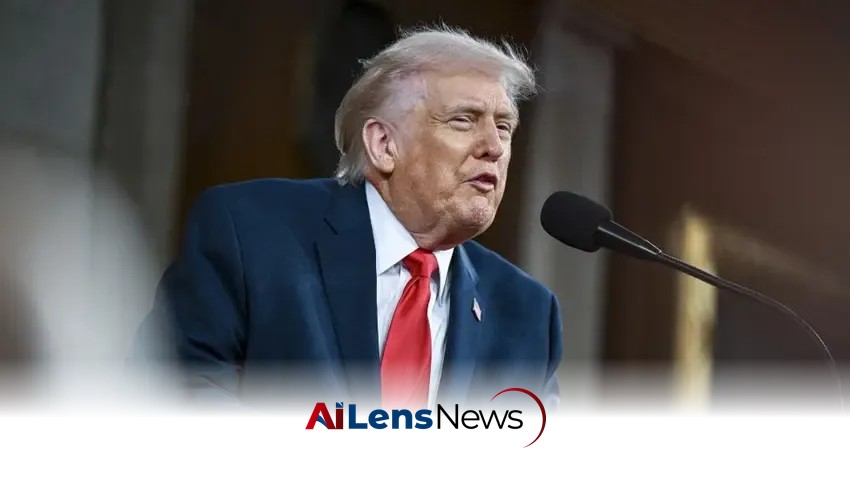


The European Union has formally requested tariff exemptions from the United States for various products, including wine and cheese, amid ongoing trade negotiations.
London, United Kingdom Jul 16, 2026 ALN: The European Union (EU) has officially requested tariff exemptions from the United States for a range of products, including popular items such as cheese and wine. This request comes as part of ongoing trade negotiations between the two economic powers, which have seen fluctuating dynamics over the years, influenced by changing political landscapes and economic policies.
Last year, Brussels and Washington reached a tariff agreement that imposed a 15 percent levy on most EU exports to the United States, while US industrial goods entering the EU faced no tariffs. This agreement was the result of protracted negotiations that followed a period of heightened trade tensions between the two regions. The EU implemented this agreement in July, following a series of delays influenced by various political factors, including US President Trump's controversial statements regarding Greenland, which had implications for international relations and trade dialogues.
Recently, the EU expressed its desire for additional exemptions from the existing 15 percent tariff rate on its exports. This development was confirmed by EU trade spokesman Olof Gill, who noted that the EU has provided the US with a comprehensive list of products for which tariff reductions are being sought. The EU's request is not merely a reaction to the current tariff structure but is indicative of a broader strategy to improve trade relations with the US and bolster its own economic interests.
The list includes not only wine and spirits but also various cheeses such as Roquefort and Pecorino, along with olive oil, olives, and medical devices. In total, the products on this list represent exports valued at approximately €115 billion ($131 billion). The inclusion of food and beverage items, particularly those that are culturally significant and popular in both regions, underscores the importance of these products in the EU's trade portfolio.
In the previous year, the EU exported goods worth €554 billion to the United States, making it a significant trading partner. This volume of trade highlights the interconnectedness of the EU and US economies, where changes in tariff structures can have far-reaching consequences. Gill emphasized the importance of exploring as many areas as possible for tariff reductions, stating, "We really want to look at as many areas as possible where we can reduce or eliminate tariffs for the benefit of both sides, for the benefit of exporters, for the benefit of consumers." This sentiment reflects a growing recognition that trade barriers can hinder economic growth and consumer choice.
The request for tariff exemptions is seen as a strategic move by the EU to enhance trade relations with the US and to support its own exporters in a competitive global market. The food and beverage sector, in particular, has been affected by tariffs, with many producers facing challenges in accessing the lucrative US market. By seeking exemptions, the EU aims to alleviate some of these pressures and promote a more favorable trading environment.
The EU and the US have a long history of trade relations, characterized by both cooperation and conflict. The two economies are among the largest in the world, and their mutual dependence is evident in various sectors, from technology and pharmaceuticals to agriculture and automotive industries. However, trade disputes have often arisen over issues such as subsidies, market access, and regulatory standards.
In recent years, the trade relationship has been particularly strained due to tariffs and counter-tariffs imposed during the previous US administration. The EU has sought to address these challenges through negotiations aimed at reducing trade barriers and fostering a more equitable trading environment. The current request for tariff exemptions is part of this ongoing dialogue, reflecting a desire to reset and strengthen the relationship.
The outcome of the discussions surrounding tariff exemptions could have significant implications for various industries, particularly those involved in food and beverage exports. For example, the wine and cheese sectors are vital components of the EU's agricultural economy, and any reduction in tariffs could lead to increased exports, benefiting producers and consumers alike.
Moreover, the medical devices sector, which is also included in the EU's request, represents a growing area of trade that has been increasingly important in the context of global health challenges. The ability to export medical devices without the burden of tariffs could enhance access to innovative healthcare solutions in the US, ultimately benefiting American consumers and healthcare providers.
While the EU's request for tariff exemptions marks a proactive step in trade negotiations, challenges remain. The US administration may have its own set of priorities and concerns, particularly regarding domestic industries and employment. Balancing these interests will be crucial as both parties navigate the complexities of international trade.
Furthermore, public sentiment and political considerations in both regions can influence the negotiation process. Trade negotiations are often subject to scrutiny from various stakeholders, including industry groups, labor unions, and consumer advocacy organizations. As such, the EU and US must not only focus on economic outcomes but also consider the broader social implications of their trade policies.
The ongoing discussions between the EU and the US regarding tariff exemptions highlight the complexities of international trade negotiations. As both parties seek to balance their economic interests, the outcome of these discussions could shape the future of transatlantic trade relations. The potential for reduced tariffs on key products such as wine, cheese, and medical devices presents an opportunity for both sides to foster greater economic collaboration and mutual benefit.
Ultimately, the success of these negotiations will depend on the willingness of both the EU and the US to engage in constructive dialogue and find common ground. In an increasingly interconnected global economy, the ability to navigate trade relationships effectively will be essential for sustaining growth and competitiveness in the years to come.
To learn more about the latest developments in Trade & Commerce, stay updated with our exclusive reports and analyses on AiLensNews.

