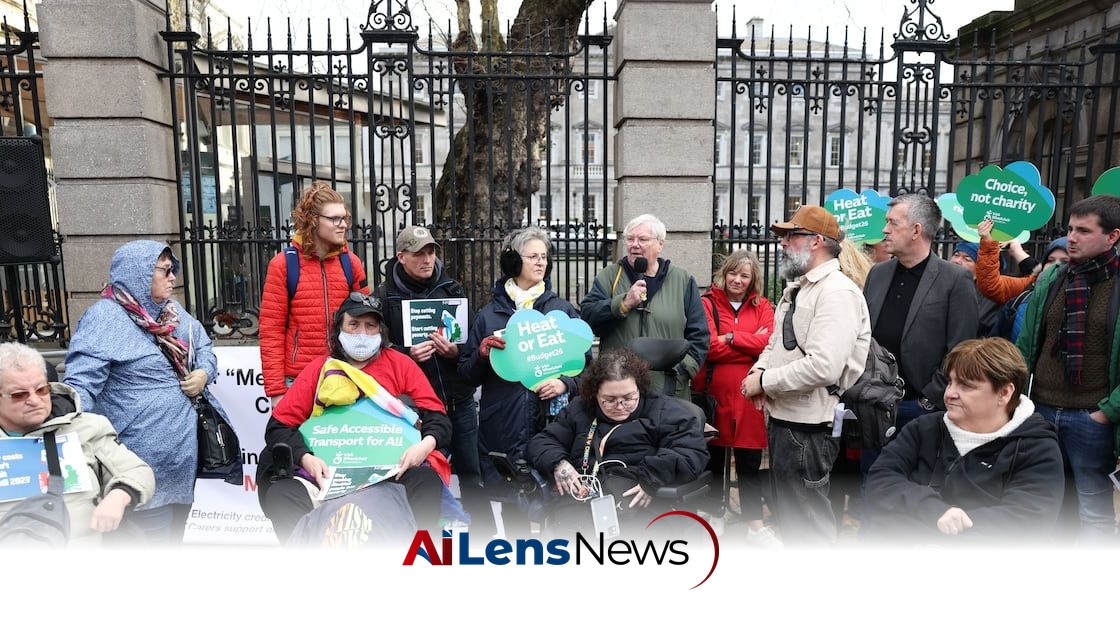


Taoiseach Micheál Martin announces plans for a tax package aimed at families and significant changes to disability payments in Budget 2027.
London, United Kingdom Jul 15, 2026 ALN: The forthcoming Budget 2027 is poised to introduce a comprehensive tax package aimed at families, alongside significant reforms in disability payments, as announced by Taoiseach Micheál Martin. This announcement comes at a time when many citizens are voicing concerns over the financial pressures they face, particularly in light of recent global events that have impacted economic stability and household budgets.
The Taoiseach's remarks were made during a session in the Dáil, where he responded to Independent TD Michael Lowry's inquiries regarding the government's plans for the budget. Lowry, who represents Tipperary North, emphasized the importance of a capable and stable government in addressing the needs of working people. His advocacy for a meaningful tax package underscores a growing sentiment among the electorate that current tax structures are inadequate in supporting the middle class, often referred to as the "squeezed middle."
Lowry pointed out that income tax bands and personal tax credits have remained unchanged for some time, suggesting that this stagnation has placed an undue burden on workers. He articulated a common frustration among constituents who feel that their contributions to the economy are not being adequately recognized or rewarded through the tax system. The call for reform reflects a broader discourse on tax equity, particularly for those who contribute significantly to economic growth but struggle to maintain their living standards amidst rising costs.
In response to these concerns, Martin assured that the government is committed to alleviating financial pressures exacerbated by external factors, such as the ongoing conflict in the Middle East, which has implications for global prices and economic stability. He indicated that the upcoming budget would include a taxation package specifically designed to benefit families, an acknowledgment of the unique challenges faced by households in the current economic climate.
Moreover, the Taoiseach highlighted the government's efforts to address the needs of individuals with disabilities, who often encounter additional costs related to transport and healthcare. The mention of "groundbreaking" developments in disability payments suggests that the government is recognizing the need for systemic change in how these payments are structured and delivered. However, Martin also noted that this is a complex issue that requires extensive consultation, indicating that stakeholder engagement will be a critical component of the reform process.
Lowry also raised the issue of inheritance tax, describing the current regime as "penal" and inequitable. His call for reform in this area reflects a growing concern among many citizens about the ability to pass on family assets without incurring excessive tax burdens. This is particularly relevant for families wishing to transfer homes, farms, or businesses to the next generation. The discussion around inheritance tax is not just about financial implications; it also touches on issues of family legacy and the ability to maintain generational ties to property and land.
In addition to these tax reforms, Lowry advocated for the inclusion of self-employed individuals in pension schemes like the My Future Fund. This highlights a critical gap in retirement security for self-employed workers, who often lack access to the same benefits as their employed counterparts. The need for a clear pathway toward inclusion in such schemes is essential for fostering a more equitable economic environment.
Addressing the issue of public expenditure, Lowry expressed frustration over perceived wastefulness in government spending, particularly in the context of rising living costs. His remarks suggest a call for greater accountability and efficiency within government operations, as citizens expect their tax contributions to be utilized effectively. The emphasis on reducing wasteful expenditure aligns with broader public sentiment that demands transparency and responsible fiscal management from elected officials.
The Taoiseach also provided an overview of the current economic landscape, noting that employment figures have reached approximately 2,794,500, with the population exceeding 5.5 million. This marks a significant increase in employment, reflecting a robust recovery from past economic challenges. The growth of the population by 10 percent from 2020 to 2026, and a staggering 53 percent since 1995, indicates a dynamic labor market that requires ongoing support and investment to sustain.
Martin emphasized the necessity of a budget that not only addresses immediate financial concerns but also positions the economy for future growth. He acknowledged the challenges posed by advancements in artificial intelligence (AI), which have raised concerns about job displacement and the future of work. However, he pointed to substantial investments, such as the recent €5 billion commitment from Intel, as a sign of confidence in the economy's potential to adapt and thrive in an evolving technological landscape. This investment, described as "AI propelled," underscores the importance of innovation and technology in driving economic progress.
The Taoiseach's comments also highlighted a perceived disconnect between the Dáil and the realities faced by the economy. His critique suggests that there is a need for greater engagement and understanding among lawmakers regarding the economic challenges and opportunities that exist. By recognizing the contributions of small and medium-sized enterprises (SMEs), the government can better tailor its policies to support these vital components of the economy. The establishment of a cost of doing business forum indicates a proactive approach to addressing the regulatory and financial burdens that SMEs face, which is essential for fostering a vibrant and competitive business environment.
In summary, the upcoming Budget 2027 promises to address critical issues facing families and individuals, particularly in the realms of taxation and disability support. As the government prepares to unveil its proposals, the emphasis on consultation and stakeholder engagement will be crucial in ensuring that the measures implemented are both effective and equitable. The discussions surrounding inheritance tax, support for the self-employed, and the need for efficient public spending reflect a broader societal demand for a fairer economic framework that prioritizes the needs of all citizens. Ultimately, the success of the budget will hinge on its ability to balance immediate relief with long-term sustainability, fostering an economy that works for everyone.
To learn more about the latest developments in Economic Reports, stay updated with our exclusive reports and analyses on AiLensNews.

