

Oil prices surge as US-Iran relations deteriorate, with Trump demanding compensation from Iran, complicating peace negotiations.
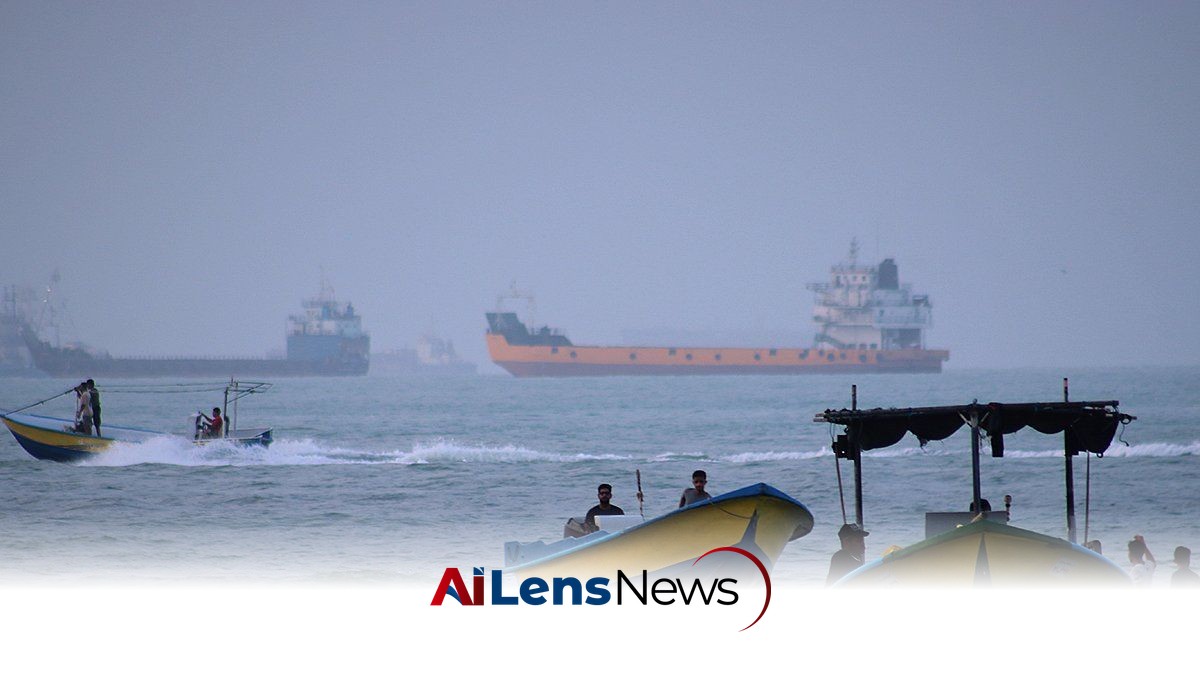
Abu Dhabi, United Arab Emirates Aug 11, 2026 ALN: The Strait of Hormuz, a narrow waterway that connects the Persian Gulf to the Gulf of Oman, is a critical juncture for global oil transportation. Approximately 20% of the world's oil supply passes through this strategic passage, making it a focal point of geopolitical tensions and economic implications. This narrow strait, measuring only about 21 miles wide at its narrowest point, serves as the primary transit route for oil tankers transporting crude oil and liquefied natural gas from the Gulf States to global markets. The significance of the Strait of Hormuz cannot be overstated; it is not just a geographical chokepoint but also a symbol of the intricate balance of power in the Middle East.
Recent developments have seen oil flows through this vital corridor reach nearly 9 million barrels per day, a figure that underscores the importance of this route in the global energy market. This increase in oil flow is indicative of the ongoing demand for energy in a world that is still heavily reliant on fossil fuels. The Gulf States, particularly Saudi Arabia, the United Arab Emirates, and Iran, are among the largest oil producers globally, and their output is crucial for maintaining the equilibrium of oil prices in international markets.
As tensions in the region escalate, oil prices have responded with significant increases. On a recent Tuesday, oil prices extended hefty gains, reflecting a growing market anxiety over the stability of the Strait of Hormuz. The surge in crude prices, which has risen around 10 percent over the past week, is attributed to a combination of geopolitical factors and market speculation. Investors are increasingly concerned about the potential for conflict in the region, which could disrupt oil supplies and lead to further inflationary pressures worldwide. The volatility of oil prices is often exacerbated by geopolitical events, and the current situation is no exception, as traders react to news and rumors concerning military movements, diplomatic negotiations, and economic sanctions.
The backdrop to these rising tensions involves the ongoing strained relationship between the United States and Iran. The U.S. has maintained a contentious stance towards Iran for decades, particularly following the 1979 Iranian Revolution and subsequent hostage crisis. Despite earlier optimistic statements from the White House regarding a potential resolution, the prospects for a deal appear to be diminishing. The lack of progress in negotiations has led to heightened fears among market participants, prompting them to adjust their expectations for future interest rate movements. Many analysts are now betting on at least one interest rate hike by the U.S. Federal Reserve in the coming months, as policymakers grapple with the implications of rising oil prices on inflation. The Federal Reserve's dual mandate of promoting maximum employment and stable prices becomes increasingly challenging in an environment where external shocks can lead to rapid price increases.
In a significant escalation of rhetoric, U.S. President Donald Trump recently announced his intention to seek conflict compensation from Iran as part of any peace negotiations. This statement reflects a hardening of the U.S. stance, as it marks a departure from previous diplomatic approaches that may have sought to de-escalate tensions. Trump's comments were rooted in a historical context, citing a long history of attacks and killings that the U.S. government claims have been backed or perpetrated by Tehran. This narrative has been a cornerstone of U.S. foreign policy towards Iran, framing the Islamic Republic as a persistent threat to regional stability and U.S. interests. The U.S. administration's approach has often been characterized by a mix of sanctions, military posturing, and diplomatic overtures, which have created a complex and often contradictory policy landscape.
The timing of Trump's remarks is particularly noteworthy, coming just a day after he indicated a shift in his approach to the conflict. By suggesting that he would adopt a "low-key" strategy, Trump implied a willingness to allow economic pressure to build through sanctions rather than resorting to immediate military action. This strategy aligns with his administration's broader approach to Iran, which has focused on crippling economic sanctions intended to force Tehran to alter its behavior on various fronts, including its nuclear program and regional military activities. The effectiveness of such sanctions is often debated; while they can exert significant economic pressure, they can also lead to unintended consequences, including humanitarian crises and increased anti-American sentiment in the region.
The Iranian government, for its part, has responded to U.S. actions with its own demands, including calls for war reparations as a precondition for any dialogue. This tit-for-tat dynamic has created a stalemate, with neither side willing to make concessions that could pave the way for a resolution. The Iranian leadership views U.S. sanctions and military presence in the region as acts of aggression, while the U.S. sees its actions as necessary to counter Iran's destabilizing influence. This adversarial relationship has led to a cycle of retaliation, where both nations engage in actions that further escalate tensions, making diplomatic resolutions increasingly difficult.
As the situation unfolds, the implications for the global oil market remain significant. A prolonged conflict or even the threat of military action in the Strait of Hormuz could lead to substantial disruptions in oil supply, driving prices higher and exacerbating inflationary trends. Countries that rely heavily on oil imports would be particularly vulnerable to price shocks, which could have cascading effects on their economies. For instance, nations in Europe and Asia, which import a significant portion of their oil from the Gulf, may face increased costs that could lead to higher consumer prices and slower economic growth. Furthermore, this situation could lead to increased scrutiny of alternative energy sources and a push for greater energy independence among oil-importing nations.
Moreover, the rising oil prices could impact consumer behavior and spending patterns, as higher fuel costs typically lead to increased prices for goods and services across the board. This scenario raises concerns for central banks, including the Federal Reserve, which must balance the need to support economic growth with the risks posed by inflation. The Fed's decisions on interest rates will be closely watched, as any moves to tighten monetary policy in response to rising inflation could further affect economic growth. The interconnectedness of global markets means that decisions made in Washington can have ripple effects around the world, influencing everything from stock markets to currency valuations.
In conclusion, the situation in the Strait of Hormuz is emblematic of the complex interplay between geopolitics and global economics. As oil flows through this critical waterway reach nearly 9 million barrels daily, the stakes for both the U.S. and Iran are high. The potential for conflict looms large, and the global market remains on edge as investors navigate the uncertain landscape. The coming weeks and months will be crucial in determining whether diplomatic efforts can break the deadlock or if tensions will escalate further, with profound implications for the energy market and the global economy at large. The Strait of Hormuz serves not only as a critical artery for oil but also as a barometer for geopolitical stability in the region; its future will be closely monitored by governments, businesses, and consumers alike.
To learn more about the latest developments in Inflation & Prices, stay updated with our exclusive reports and analyses on AiLensNews.

