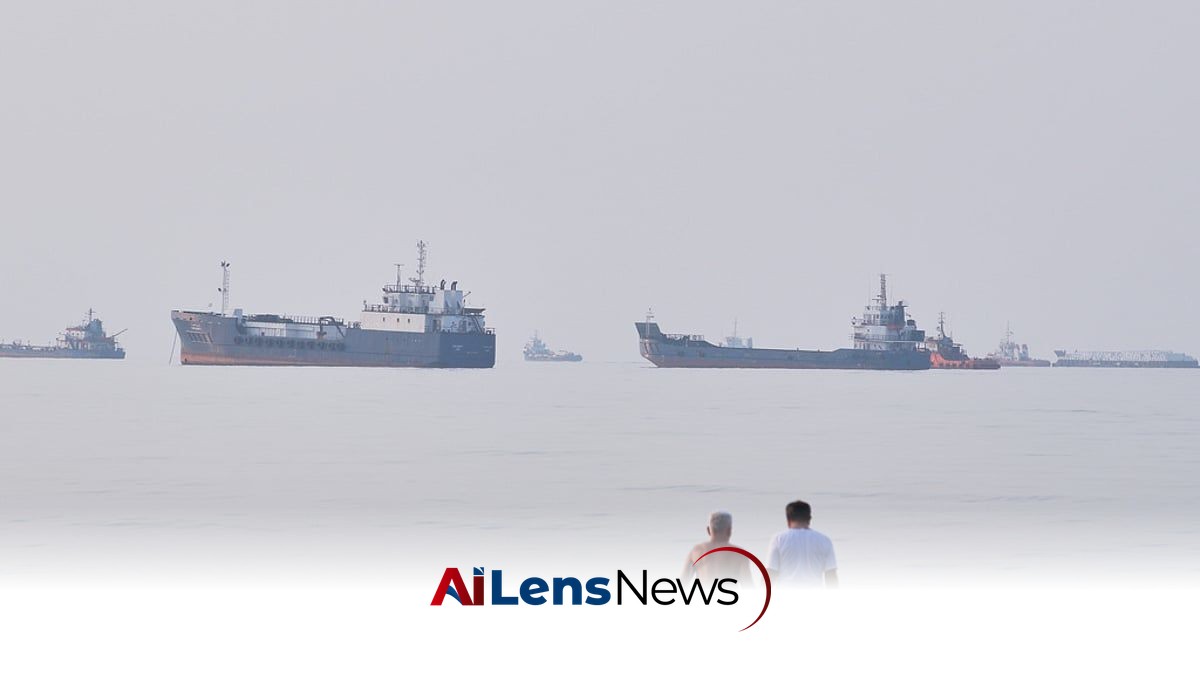


The IEA highlights rising global oil supply risks due to tensions in the Strait of Hormuz, despite UAE and Saudi exports stabilizing markets.
Abu Dhabi, United Arab Emirates Jul 22, 2026 ALN: The International Energy Agency (IEA) has issued a warning regarding the escalating tensions in the Strait of Hormuz, emphasizing that these developments pose significant risks to global oil supply. The Strait of Hormuz is a crucial maritime chokepoint through which approximately 20% of the world's oil passes, making it a focal point for global energy security. The IEA's concerns are particularly pertinent given the strategic importance of this region, which links the oil-rich Persian Gulf with global markets.
Historically, the Strait of Hormuz has been a critical artery for oil transportation, with its narrow passage making it vulnerable to geopolitical conflicts. The region is surrounded by several countries, including Iran, Oman, the United Arab Emirates (UAE), and Saudi Arabia, each with its own interests and stakes in the stability of oil supply routes. The geopolitical landscape surrounding the Strait is fraught with tensions, particularly involving Iran, which has historically threatened to disrupt shipping in response to sanctions or military actions against it. In recent months, incidents involving naval confrontations and threats to shipping lanes have underscored the fragility of oil supply routes in this region.
Emergency Oil Stocks Easing Pressure
The IEA noted that the emergency stock releases by its member countries continue to provide substantial support to the oil market. Since the coordinated action announced on March 11 to make 400 million barrels available, approximately 290 million barrels have already been released, with more volumes still entering global markets. This strategic move was aimed at countering potential supply disruptions that could arise from geopolitical tensions or natural disasters affecting oil production and transportation. The ability to draw on these stocks allows countries to mitigate the immediate impacts of supply shocks, ensuring that consumers and industries can continue to access energy resources without severe disruptions.
Currently, member countries hold over 1 billion barrels of government-controlled emergency oil stocks in reserve, which serves as a buffer against potential supply disruptions. These reserves are crucial for maintaining market stability, especially during periods of heightened uncertainty. The IEA's proactive measures in releasing emergency stocks reflect an understanding of the interconnectedness of global oil markets and the need for coordinated action among producing and consuming nations.
Diesel and Petrol Markets Under Pressure
Despite the resilience of crude oil supplies, IEA Executive Director Fatih Birol warned that there is "no room for complacency." He pointed out that refinery activity and fuel production have not rebounded as strongly as crude deliveries, resulting in tighter markets for refined products such as diesel and petrol compared to crude oil markets. This discrepancy highlights a critical issue in the energy supply chain: while crude oil may be available, the capacity to refine it into usable products is lagging behind, which can lead to shortages and price increases for consumers.
The implications of these tighter markets are significant, particularly for industries that rely heavily on refined products for their operations. Transportation sectors, including trucking and aviation, are particularly sensitive to fluctuations in diesel and petrol prices. As these costs rise, they can be passed on to consumers, leading to increased prices for goods and services across the economy. Additionally, higher fuel prices can contribute to inflationary pressures, complicating monetary policy for central banks around the world. This scenario raises concerns about the potential for economic slowdowns, especially in regions heavily dependent on oil for transportation and logistics.
Additionally, natural gas markets are also experiencing pressure. The IEA reported that increased liquefied natural gas (LNG) exports from the United States and Canada have compensated for approximately 70 percent of the gas supply lost due to disruptions in the Strait of Hormuz. This development underscores the growing importance of North America as a key player in the global energy landscape, particularly as countries seek to diversify their energy sources and reduce reliance on traditional suppliers. The shift towards LNG has been accelerated by the need for energy security amid geopolitical uncertainties, highlighting the dynamic nature of global energy trade.
However, any further delays in the resumption of Gulf LNG exports could prolong market tightness, particularly in Europe, as countries prepare their gas storage ahead of the winter season. The winter months are critical for natural gas consumption, especially in Europe, where heating needs can drive demand significantly higher. European countries have been actively working to fill their gas storage facilities ahead of winter, and any disruptions in supply could lead to heightened competition for available resources, driving prices even higher. This scenario could exacerbate existing energy crises in various European nations, where energy prices have already surged due to a combination of factors including reduced Russian gas supplies and increased global demand.
The situation in the Strait of Hormuz is not only a matter of immediate supply and demand but also reflects broader geopolitical dynamics. The region has been a flashpoint for tensions between Iran and Western nations, particularly the United States. Sanctions imposed on Iran's oil exports have led to increased military presence in the area by the U.S. and its allies, further complicating the security landscape. Any escalation in hostilities could have far-reaching implications for global oil prices and availability. The potential for military conflict or miscalculation in the region remains a significant concern for policymakers and market analysts alike.
Moreover, the ongoing transition toward renewable energy sources adds another layer of complexity to the global energy market. As countries strive to meet climate goals and reduce fossil fuel dependence, the volatility of oil and gas markets can create challenges for energy policy. The IEA's warning serves as a reminder of the need for a balanced approach to energy security that considers both immediate supply risks and long-term sustainability goals. The transition to renewables is not only a matter of environmental policy but also one of economic stability, as countries must navigate the complexities of energy diversification while ensuring reliable access to energy resources.
In summary, the IEA's warning about the risks to global oil supply amid tensions in the Strait of Hormuz highlights the interconnectedness of geopolitical stability and energy markets. While emergency stock releases and increased production from key exporters have provided some relief, the potential for disruptions remains a significant concern. As countries navigate these challenges, the importance of strategic reserves, refinery capacity, and diversified energy sources will be paramount in ensuring a stable and secure energy future. The global energy landscape is evolving, and the ability to adapt to emerging risks will be crucial for maintaining energy security and economic stability in the years to come.
To learn more about the latest developments in Inflation & Prices, stay updated with our exclusive reports and analyses on AiLensNews.

